2026 Top Trends in Over Head Door Design and Functionality?
As we approach 2026, the evolution of over head door design and functionality becomes increasingly fascinating. This industry is witnessing significant shifts, driven by technological advancements and consumer demands. The modern over head door is not just a barrier; it is a blend of style and security.
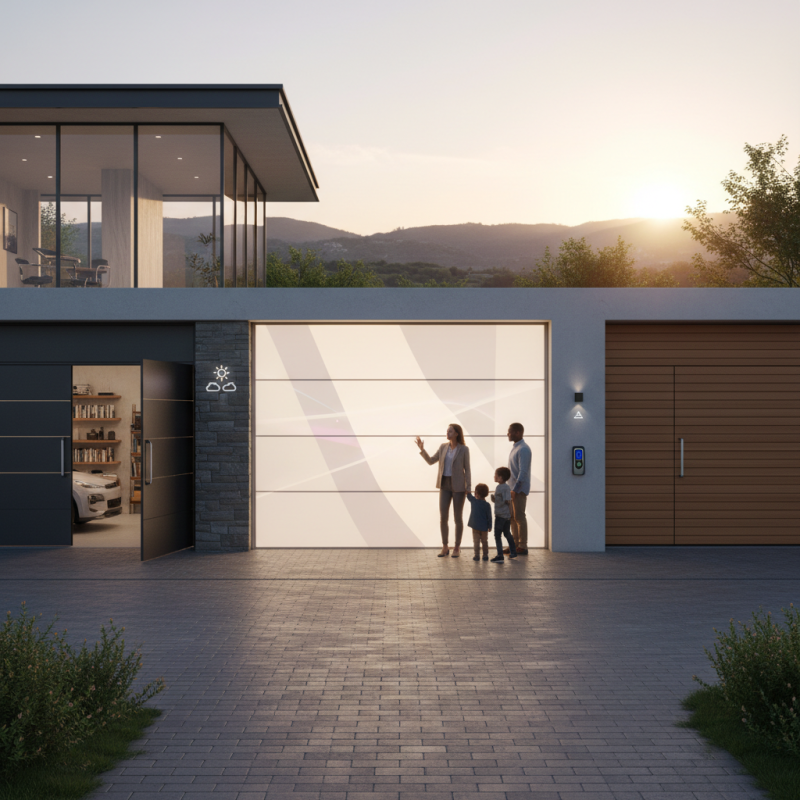
Sleek designs and energy-efficient materials are becoming more prevalent. Homeowners seek aesthetic appeal along with practicality. Innovations like smart technology in over head doors are changing how we interact with our spaces. Imagine a door that opens with a simple voice command or adjusts based on the weather.
Challenges persist in this evolving landscape. Some designs may compromise traditional durability. Plus, integrating technology can introduce new complexities. While the future looks bright, it often raises questions. How do we find the balance between innovation and reliability? These trends are setting the stage for a transformative year ahead in overhead door design.
Emerging Materials and Technologies in Over Head Door Design
The evolution of overhead door design focuses on emerging materials and technologies.
Innovative materials like fiberglass and composites are making waves.
They are lightweight yet durable. These advancements enhance energy efficiency
and reduce maintenance costs. They offer strength without the weight of traditional steel.
Smart technology integration is another notable trend. Features like
remote access and smart sensors are becoming standard.
These technologies improve security and convenience.
They also allow for real-time monitoring of door conditions.
This can help detect issues before they become major problems.
Tips:
Consider materials based on your specific needs. Do you require insulation?
Choose accordingly. Research the smart features that best fit your lifestyle.
Look for options that can simplify your daily routine.
Embrace the changes and reflect on what suits your space best.
Enhancements in Security Features for Over Head Doors
The evolution of overhead doors reflects a growing attention to security features in design. Recent industry data indicates that nearly 70% of commercial property owners prioritize security enhancements when selecting overhead doors. New technologies focus on materials and construction methods that resist tampering. Reinforced steel and impact-resistant designs are becoming standard practices.
Sensors and smart technology are integrating into these doors. Innovative features such as remote access control and real-time monitoring are gaining traction. A study by the Security Industry Association shows that connected solutions reduce unauthorized access incidents by over 30%. However, many consumers remain hesitant about adopting these advanced systems.
Despite the advancements, some challenges persist. Installation costs for high-security systems can be significant, deterring potential buyers. Homeowners may also struggle with user-friendliness in smart systems. Educating property owners on the importance of security features is critical. It's essential to balance innovation with usability for the best outcomes.
2026 Top Trends in Over Head Door Design and Functionality: Enhancements in Security Features
Aesthetic Trends Influencing Over Head Door Styles and Designs
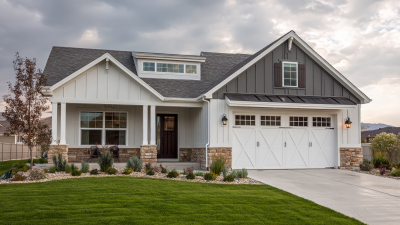
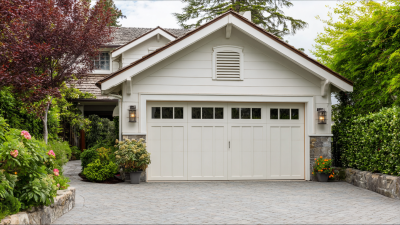
In 2026, overhead door design is shifting towards more aesthetic trends. Sleek lines and minimalist designs are dominating residential spaces. According to a recent industry report, over 60% of homeowners prefer doors that enhance curb appeal. These styles blend modernism with practicality, making an impact in both style and functionality.
Material choice is a significant driver of design. Steel and wood are popular, but composite materials are gaining traction. They offer durability and stylish options. In fact, studies show that 45% of architects now incorporate composite elements into their designs. Homeowners appreciate the ability to customize finishes and colors, making these doors unique. However, some design choices might not consider long-term maintenance.
Sustainability is also a hot topic. Many new designs focus on eco-friendly materials. Yet, there's a challenge in balancing aesthetics and environmental impact. Some designs may look appealing but could be less sustainable. This creates a dilemma for homeowners prioritizing both beauty and eco-conscious decisions. Awareness is key, as trends continue to evolve in the ever-changing landscape of overhead door design.
Sustainability Practices in the Production of Over Head Doors
Sustainable practices in the production of overhead doors are gaining traction. Many manufacturers are reassessing their supply chains. They aim to reduce waste and lower carbon footprints. According to recent industry data, about 65% of companies have adopted eco-friendly materials. This shift is crucial for future viability and consumer demand.
Recyclable materials are becoming more common. Steel, aluminum, and composite materials are now favored. These alternatives can reduce the environmental impact by up to 30%. However, not all companies fully embrace these options. Some still rely heavily on traditional production methods. This lack of commitment raises several questions about industry responsibility.
Consumers are increasingly prioritizing sustainability. Approximately 70% are willing to pay more for eco-friendly products. Yet, the industry faces challenges. Sourcing sustainable materials can be costly and logistics can complicate the process. It’s essential for manufacturers to innovate. Finding solutions that address sustainability issues is now more crucial than ever.