How to Choose the Best Double Garage Door for Your Home?
Choosing the best double garage door for your home is a significant decision. An ideal door combines style, durability, and functionality. According to industry expert John Anderson, "Your garage door is the first thing people notice; it should reflect your home’s character." This insight emphasizes the importance of a carefully considered choice.
A double garage door significantly affects your home's curb appeal. It serves practical purposes, too. Whether you park two cars or use the space for storage, the door must meet your needs. Consider the materials used, such as steel or wood, which can impact both maintenance and aesthetics.
However, some homeowners might overlook details. Choosing the wrong size or style can lead to dissatisfaction. If a door does not complement your home, it could detract from its value. We must acknowledge that picking the right double garage door requires careful thought and a bit of trial and error.
Understanding Your Home's Style and Requirements
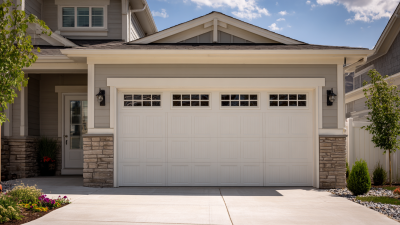
Choosing the right double garage door is more than just a practical decision. It blends functionality with your home’s architectural style. Consider your home’s design—modern, traditional, or rustic? Each style has its unique features that can influence your choice. A door that complements these aspects enhances your home’s overall appearance.
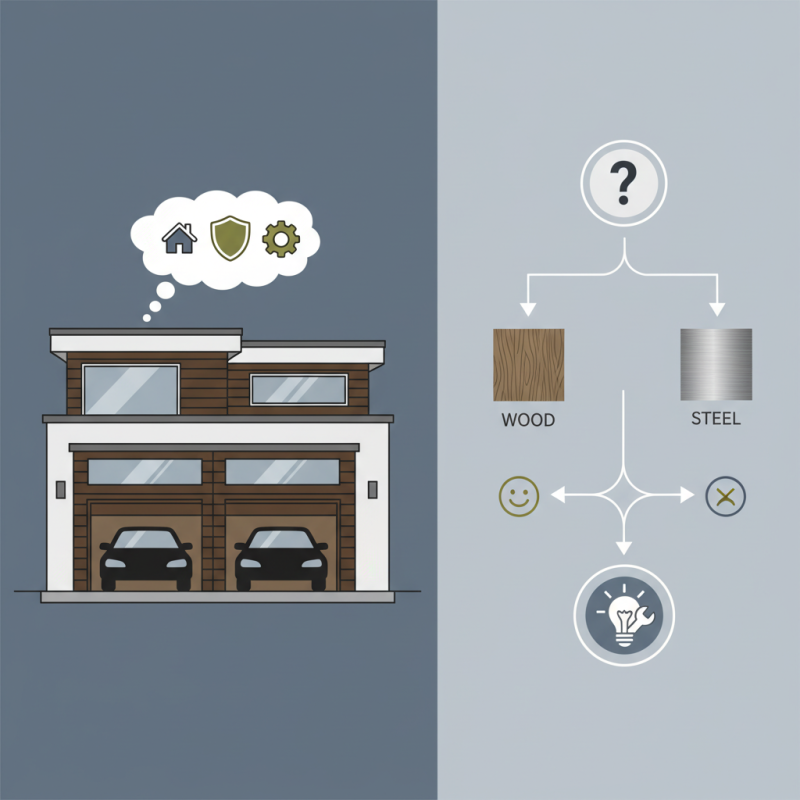
Think about your needs too. Are you storing vehicles, tools, or recreational gear? Your garage door must be durable and secure. Look at materials like steel or wood. Steel offers strength, while wood provides warmth. Yet, wood may require more maintenance. Balance aesthetics with practicality. Reflect on local weather conditions as well. Your choice could lead to difficulties later.
Finally, don’t overlook colors and finishes. They can either contrast or match your home’s exterior. A bold color might stand out, while a neutral shade blends in. Take your time to assess available options. It’s easy to feel overwhelmed. Measure carefully to ensure a proper fit. Making the right choice enhances not just functionality, but also visual appeal.
Double Garage Door Style Preferences
Evaluating Garage Door Materials and Durability
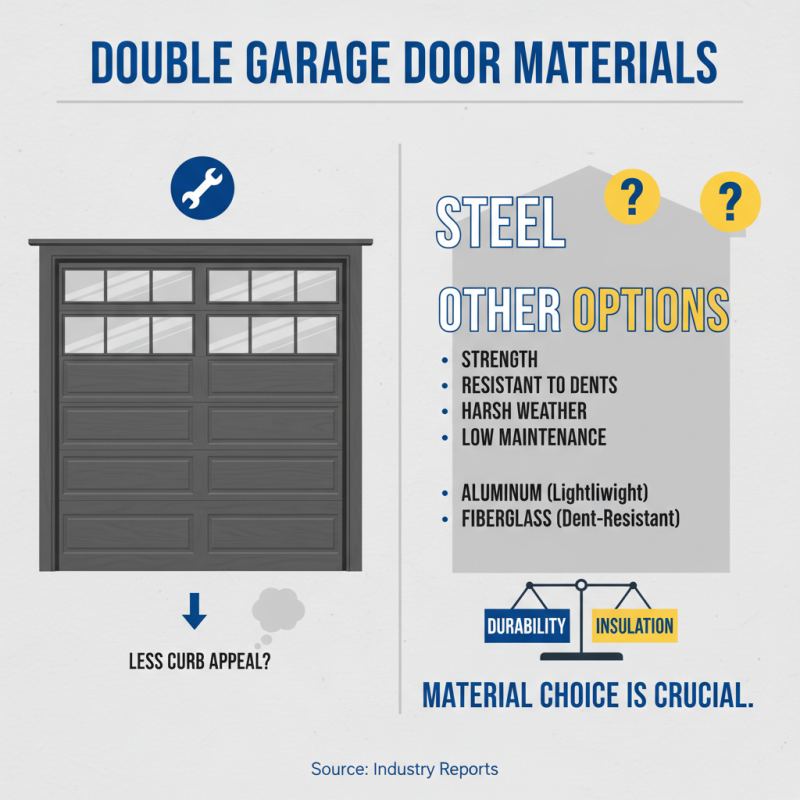
When selecting a double garage door, material choice is crucial. Some materials offer better durability and insulation than others. According to industry reports, steel garage doors are popular for their strength and resistance to denting. They can withstand harsh weather conditions and require less maintenance. However, they may not always look as appealing as other options.
Wood doors add beauty and charm but come with challenges. They need regular maintenance to prevent rot and warping. In dry climates, wood can crack and splinter. A recent study indicates that homeowners may spend 20% more on maintenance for wood doors than on steel counterparts. For a more energy-efficient option, fiberglass doors are another alternative. They offer good insulation and are lightweight. Yet, they may get damaged easily if not handled carefully.
Not every door is perfect. Each material has its strengths and weaknesses. Evaluating these factors can help you decide what’s best for your home. Remember, it’s not just about aesthetics; it’s about long-term value and function as well. That can make the selection process quite daunting.
Choosing the Right Size and Dimensions for Your Garage
Choosing the right size for your double garage door is essential for functionality and aesthetics. A standard two-car garage door usually measures about 16 feet wide and 7 feet high. However, not all garages are the same. Some homes may require a door that is wider or taller. Measuring your garage's opening accurately can help avoid costly mistakes.
Consider the space around the garage door as well. If you have large vehicles, like SUVs or trucks, ensure the door can accommodate their height and width. Also, think about the clearance needed for your garage door to operate smoothly. The entrance should have sufficient space above and beside it. Sometimes, the ideal size is just a few inches away from the standard options, leading to frustrations later.
Aesthetics matter too. A garage door that is too small can make your home look unbalanced. Conversely, a door that’s too large can overwhelm the façade. It’s important to align the dimensions with your home’s architectural style. Taking time to visualize the options can help. If unsure, seek input from a friend or neighbor. Their perspective might highlight something you overlooked.
How to Choose the Best Double Garage Door for Your Home? - Choosing the Right Size and Dimensions for Your Garage
| Garage Door Type |
Width (Feet) |
Height (Feet) |
Material |
Insulation Rating (R-value) |
| Traditional Panel |
16 |
7 |
Steel |
10 |
| Contemporary Style |
16 |
7 |
Aluminum |
12 |
| Carriage House |
16 |
7 |
Wood |
6 |
| Vinyl Garage Door |
16 |
7 |
Vinyl |
8 |
| Fiberglass |
16 |
7 |
Fiberglass |
9 |
Exploring Design Options and Aesthetic Appeal
Choosing the best double garage door greatly impacts your home's overall aesthetic. It's more than just functionality; it should enhance your property’s exterior. Consider your home’s architectural style.
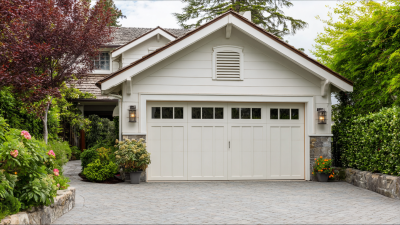
Traditional houses may benefit from classic raised panel designs.
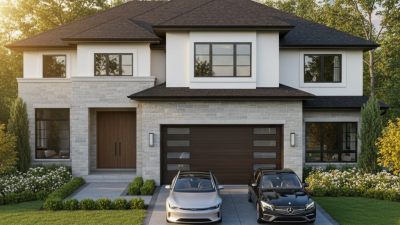
Modern homes might look better with sleek, minimalist doors.
When selecting a design, think about color and materials. Wooden doors offer warmth but require more maintenance. Steel doors are durable and come in various finishes. Remember, the right color can make your home stand out. Neutral tones work well, but bold colors can add personality.
Tips: Always visualize how the door fits with your home. Drive through neighborhoods to gather ideas. Use online design tools to experiment with different styles. Take time to reflect on your choices. Sometimes, an unconventional approach yields the best results. Don't rush; a door is a significant investment. Each detail matters.
Considering Installation and Maintenance Factors
Choosing the right double garage door goes beyond aesthetics. Installation is a vital factor. Proper fitting ensures security and functionality. A poorly installed door can lead to gaps and drafts. These issues can escalate repair costs over time. Consider hiring a qualified professional. They will assess your space accurately. This step is essential for long-term performance.
Maintenance is another crucial aspect. Different materials require various care routines. Wood doors need regular painting and sealing. Steel options may rust without proper coating. Frequent inspections help catch issues early. Pay attention to hinges and weatherstripping. Neglecting these can lead to bigger problems later. Plan a maintenance schedule that fits your lifestyle.
Assess your climate before deciding. In extreme weather, durable materials are necessary. They withstand harsh conditions better. Reflect on your daily use. Do you need insulation? A well-insulated door can save energy. Consider the noise factor too. A noisy door can be an annoyance. In the end, weigh your options carefully. Each choice impacts your home.