10 Essential Tips for Choosing the Right Garage Door Panel
Choosing the right garage door panel is crucial for enhancing your home's exterior. A garage door is not just functional; it significantly impacts curb appeal. With various materials and styles available, it can be overwhelming.
Consider factors like durability and insulation when selecting a garage door panel. Each option presents unique benefits and potential drawbacks. Sometimes, a popular choice may not suit your home’s aesthetics. You may find a style appealing but realize it lacks strength.
A well-chosen garage door panel can elevate your property’s value. However, neglecting careful consideration can lead to regret. Weigh your options thoughtfully to avoid costly mistakes. Remember, it’s more than a door; it’s a significant part of your home’s identity.
Understanding the Different Types of Garage Door Panels Available Today
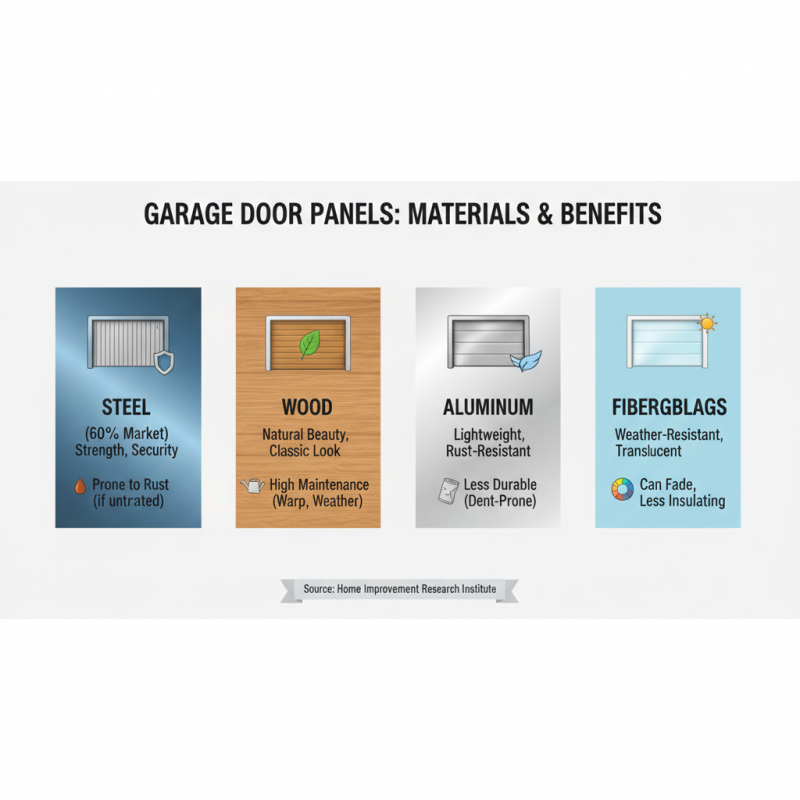
When considering a garage door panel, it's essential to understand the types available today. Typically, you have options like steel, wood, aluminum, and fiberglass. Each material has distinct features and benefits. Steel panels are durable and resistant to dents. In contrast, wood offers a classic, traditional look but requires more maintenance.
According to a recent industry report, nearly 30% of homeowners prioritize energy efficiency when choosing garage doors. Insulated garage door panels can save on energy bills. Aluminum doors are lightweight and rust-resistant, yet they can be susceptible to damage. On the flip side, fiberglass panels resist dents and can mimic wood beautifully but may not be as strong as metal options.
Choosing the right panel isn't simply about aesthetics. Many homeowners overlook the importance of insulation and durability. A good choice will depend on your climate, the aesthetic of your home, and personal preferences. Take time to reflect on your needs and the long-term benefits. It's a decision that should blend practical requirements with your style choices.
Evaluating Material Options for Durability and Aesthetics in Garage Doors
When considering garage door panels, material selection impacts both durability and aesthetics. The most common materials are steel, wood, aluminum, and fiberglass. According to the Home Improvement Research Institute, steel panels account for over 60% of the market share. They offer great strength but can be prone to rust if not properly treated. Meanwhile, wood provides natural beauty, though it requires more maintenance to prevent warping and weather damage.
Aluminum panels are lightweight and resistant to corrosion. However, they may dent easily and lack the sturdiness of steel. Fiberglass is an attractive option, known for its energy efficiency and resistance to cracking. Still, it may not hold up as well in extreme temperatures as other materials.
Choosing the right material means balancing functionality with appearance. Don’t overlook the impact of colors and finishes. A well-chosen panel can enhance curb appeal, but poor choices can clash with home design. Consider the climate and your lifestyle when making a decision. Investing time in research can save future headaches. Select a material that aligns with your values and practical needs.
Analyzing Cost Factors: What to Expect When Buying Garage Door Panels
When purchasing garage door panels, understanding cost factors is crucial. Different materials can greatly affect the price. Steel, wood, and fiberglass each have unique costs and maintenance needs. For instance, steel is durable but might rust. Wood provides beauty but requires regular upkeep. Fiberglass tends to be lightweight and offers good insulation.
Installation also plays a significant role in expenses. Hiring a professional can add to the overall cost. DIY might save money, but improper installation can lead to issues. Not accounting for these factors can lead to regrets later. You may overlook hidden fees, like permits or disposal fees of old panels.
Additionally, consider energy efficiency in your choices. An energy-efficient panel might seem more expensive initially, but it pays off over time in energy bills. Assess your long-term needs versus initial investment. Remember, the best option isn't always the cheapest one. Reflect on your priorities to make the right decision.
10 Essential Tips for Choosing the Right Garage Door Panel
This chart illustrates the various cost factors associated with choosing the right garage door panel. It provides insights into the material, installation, maintenance, energy efficiency, and aesthetic appeal costs that potential buyers can expect when making their purchasing decisions.
Assessing Local Building Codes and Regulations Affecting Garage Door Choices
When considering garage door panels, local building codes and regulations play a crucial role. These codes ensure safety, quality, and compliance in construction. In 2021, 32% of homeowners faced issues due to non-compliance. Knowing these regulations helps avoid fines and costly reworks.
Local codes can dictate various specifications. For instance, some areas require specific insulation ratings for energy efficiency. In colder climates, a minimum R-value is often mandated. This can influence your choice of garage door materials. It's essential to consult your local code authority. They provide updated information that can significantly impact your decisions.
Regulations often vary significantly by region. Some communities might have restrictions on color or style to maintain aesthetic harmony. These nuances can be frustrating if you have a specific vision. However, adapting to these guidelines can lead to better value in the long run. Understanding the local landscape can transform a potentially tedious process into an opportunity for creativity.
10 Essential Tips for Choosing the Right Garage Door Panel - Assessing Local Building Codes and Regulations Affecting Garage Door Choices
| Tip Number |
Tip Description |
Local Code Consideration |
Regulation Type |
| 1 |
Research the garage door materials suitable for your climate. |
Material durability standards |
Building Materials Code |
| 2 |
Check insulation values required for energy efficiency. |
Energy regulation codes |
Energy Efficiency Code |
| 3 |
Consider window placements for natural light versus privacy. |
Local zoning laws |
Zoning Regulations |
| 4 |
Evaluate the safety features required by local codes. |
Safety standard compliance |
Safety Codes |
| 5 |
Assess aesthetic regulations in your neighborhood. |
Neighborhood design guidelines |
Architectural Review Boards |
| 6 |
Understand the required maintenance for chosen materials. |
Material longevity regulations |
Maintenance Codes |
| 7 |
Confirm the size and fit complies with structural assessments. |
Size regulations |
Building Codes |
| 8 |
Discuss installation requirements per local law. |
Installation guidelines |
Installation Codes |
| 9 |
Evaluate the door’s energy performance for compliance. |
Energy performance standards |
Environmental Codes |
| 10 |
Contact local authorities for clarification on fuzzy areas. |
General inquiries |
Administrative Codes |