10 Essential Tips for Choosing the Right Overhead Door Opener?

Selecting the right overhead door opener can be daunting. With many options available, the task may seem overwhelming. Industry expert John Smith, a seasoned garage door technician, once stated, "A quality opener can change your experience entirely." This highlights the importance of making an informed choice.

When choosing an overhead door opener, consider your specific needs. Think about the size and weight of your door. Features like safety sensors and noise level matter too. Many buyers overlook these details but they significantly impact daily use.

Another aspect to think about is installation. Some systems require professional help, while others are more user-friendly. Rushing this decision can lead to frustration later on. Reflecting on all these factors is crucial for long-term satisfaction with your overhead door opener.
10 Essential Tips for Choosing the Right Overhead Door Opener?

Understanding Different Types of Overhead Door Openers

When it comes to choosing an overhead door opener, understanding the different types can make a big difference. Broadly, there are three main types: chain drive, belt drive, and screw drive. Each has unique features that cater to various needs. Chain drives are robust and reliable, making them ideal for heavy doors. However, they can be noisy, which might not be suitable for homes with bedrooms above the garage.

Belt drives offer a quieter operation, making them perfect for residential use, especially if noise is a concern. They also tend to be faster and smoother. Still, be aware that belt drives can be slightly more expensive. Screw drives, on the other hand, require less maintenance and are easier to install. But, they may not perform well in extreme temperatures.

Consider these tips when choosing your opener. Evaluate your garage door’s weight and size. This determines the type of opener needed. Look into safety features as well; some models come with sensors to prevent accidents. Think about power options as well. Battery backup is crucial during power outages. Your choice should align with your specific needs and garage conditions. Reflect on long-term investments rather than just the immediate benefits.
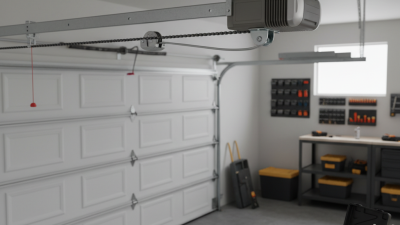
Comparison of Different Types of Overhead Door Openers

Evaluating Door Weight and Size for Optimal Opener Performance

10 Essential Tips for Choosing the Right Overhead Door Opener?

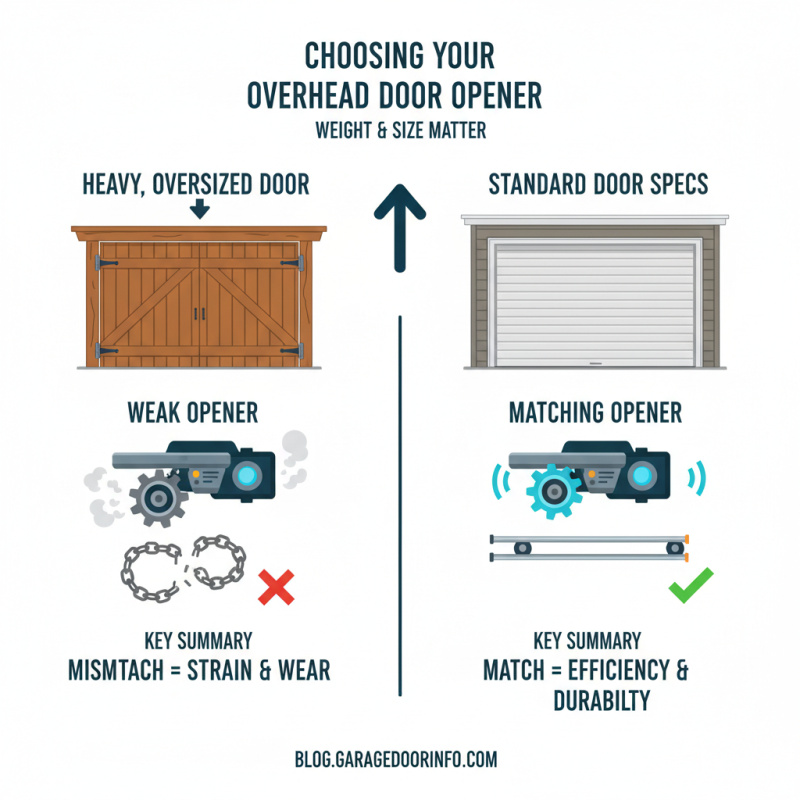
Choosing the right overhead door opener begins with understanding the door's weight and size. A door that is too heavy may strain the opener. You might think a strong opener can handle any weight. However, this can lead to faster wear and tear. The door's specifications play a crucial role here. An opener must match these specifications for effective use.

Consider measuring the door accurately. A door's height and width affect the opener's operating mechanism. A miscalculation can lead to improper fitment and functionality issues. You may end up with an opener that struggles or fails altogether. Have you ever thought about how the door's material impacts weight? Wood doors are often heavier than aluminum ones. This increase in weight can become problematic for lesser-powered openers.

Reflect on the environment too. Extreme temperatures can change how your door functions. A heavier door in cold weather might be harder to lift. If the door doesn’t open smoothly, it affects the opener's lifespan. Make sure to take all these factors into account during your selection process. Each decision made impacts overall performance. It is crucial to assess these details carefully.

Assessing Noise Levels and Motor Power for Everyday Use

When choosing an overhead door opener, assessing noise levels is crucial. Noise can impact your daily life, especially if the opener is near living spaces. According to industry studies, the average noise level for garage door openers ranges between 50 to 70 decibels. A quieter option, around 50 decibels, is ideal for residential areas. It produces sound similar to a refrigerator. This level of noise is less intrusive, making it suitable for homes with bedrooms adjacent to the garage.

Motor power also plays a significant role in performance. Most openers come with ½ HP or ¾ HP motors. A ½ HP motor is usually adequate for standard residential doors. However, heavier doors, like those made of solid wood, may require a ¾ HP motor for efficient operation. Make sure to evaluate the weight and material of your door and choose accordingly.

Tip: Consider opener features like soft start and soft stop. These features reduce noise during operation. Additionally, look for models with a belt drive rather than a chain drive. Belt drives tend to be quieter. Assessing the environment is vital. If noise is a concern for you or your family, prioritize quiet models to enhance comfort.

Considering Smart Technology Features for Modern Convenience

10 Essential Tips for Choosing the Right Overhead Door Opener?

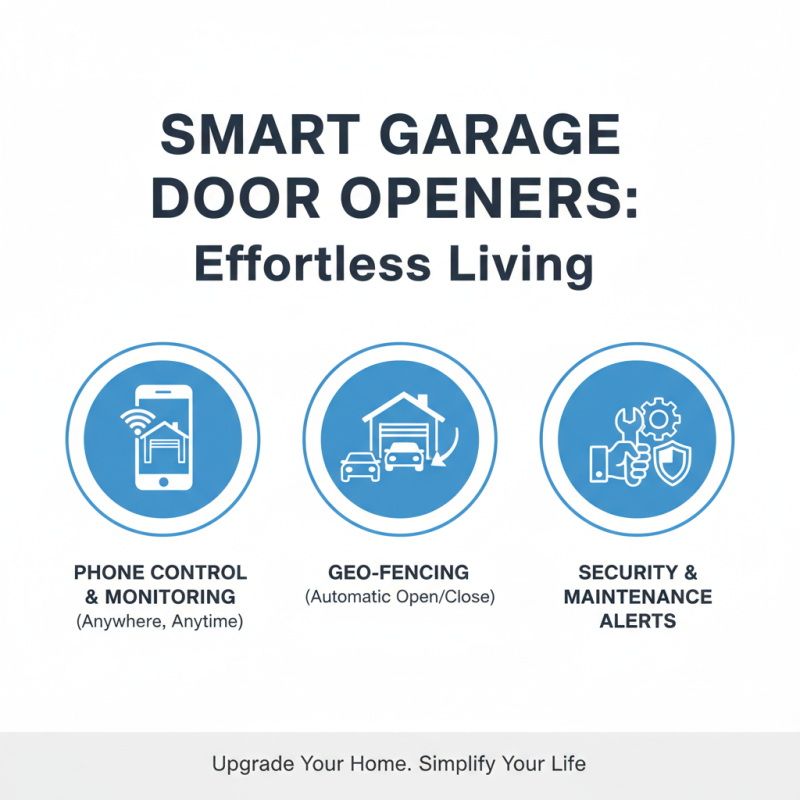
In today's world, smart technology defines convenience. When choosing an overhead door opener, consider features that enhance your life. Look for openers that can connect to your smartphone. This way, you control your door from anywhere. Imagine arriving home, and your door opens as you pull into the driveway. It feels seamless.

Another smart feature is voice activation. Some systems integrate with home assistants. Just say a command, and the door responds. It's a fun way to interact with your home. However, always test the system before relying on it.

Tip: Check compatibility with your existing home devices. Some brands may not work well together. In some cases, you might find yourself frustrated with connectivity issues down the line.

Security is also crucial. Many smart openers offer real-time alerts. You’ll know if your door is left open or if someone tries to access it. Yet, be aware that technology can fail. Regular updates are necessary for security. Don’t compromise on this aspect, as it impacts your peace of mind.

Reviewing Safety Features and Installation Requirements

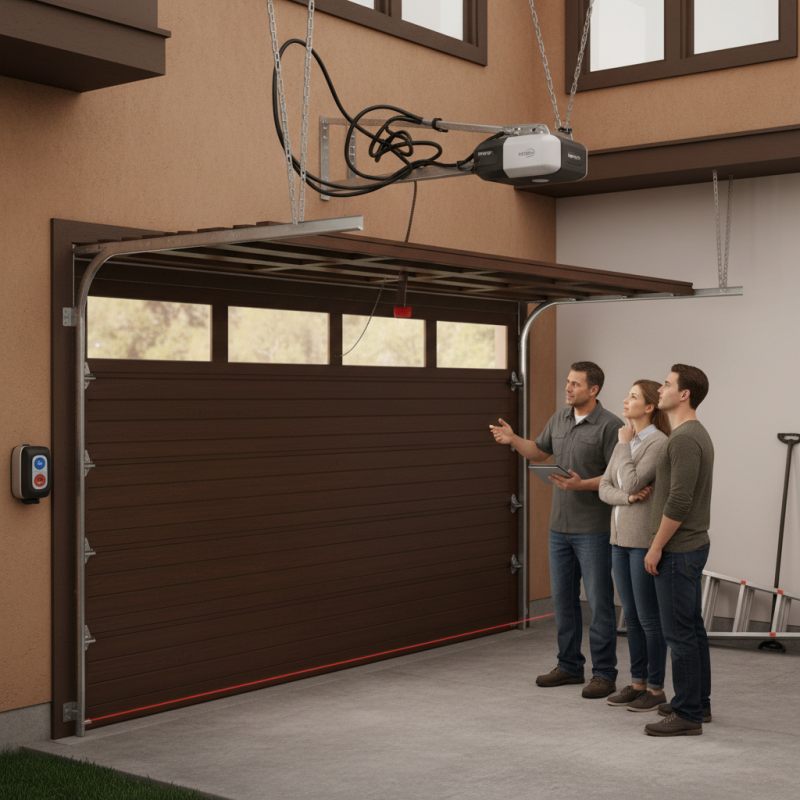
When selecting an overhead door opener, safety features are paramount. Automatic reverse systems help prevent accidents. These systems detect obstacles and reverse the door's direction, ensuring no one gets trapped. Look for models with sensors placed low on the door frame. This positioning enhances their effectiveness.

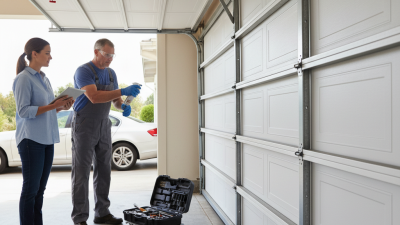
Installation requirements also play a crucial role. Some models need professional installation. Assess your skills. If you are not comfortable with wiring and heavy machinery, hiring a pro is wise. Ensure the ceiling height meets specifications. A miscalculation can lead to installation headaches later.

Choose openers with battery backup systems. Power outages shouldn’t hinder your safety. With a backup, your opener remains operational. Finally, keep in mind the noise level. Some units are much quieter than others. If you have a living space above the garage, consider this detail carefully. The wrong choice can disturb your peace.

10 Essential Tips for Choosing the Right Overhead Door Opener

Tip Description Safety Features Installation Requirements
1. Assess Your Needs Consider the frequency of usage and weight of the door. Auto-reverse, sensors. Requires sufficient ceiling height.
2. Motor Type Choose between belt, chain, or direct drive motors. Overload protection, emergency release. Check compatibility with door type.
3. Noise Level Consider the noise level for residential areas. Quiet operation features. Installation may require noise-insulating components.
4. Smart Features Look for Wi-Fi connectivity and smartphone apps. Remote monitoring, alerts. Requires wireless network setup.
5. Power Backup Ensure the opener has a battery backup option. Backup power for emergencies. Extra space for battery housing.
6. Installation Complexity Evaluate if you can DIY or need professional help. Easy to follow instructions, pre-assembled parts. Tools needed for assembly.
7. Warranty and Support Consider the length and coverage of the warranty offered. Customer support for safety inquiries. Easy access to customer service.
8. Price Compare multiple models for best value. Invest in safety features despite costs. Budget for installation costs.
9. Reviews Research customer feedback and ratings. Performance in real-life scenarios. Potential issues during installation.
10. Aesthetic Compatibility Ensure the opener matches your home's design. Custom colors and finishes. Consider mounting location.