What is the Function of Garage Door Parts in Your Home?
Garage doors are essential parts of our homes. They offer security and convenience. Understanding garage door parts is key to maintaining their functionality. According to Mark Thompson, a garage door expert, "Each component plays a critical role in the system's performance."
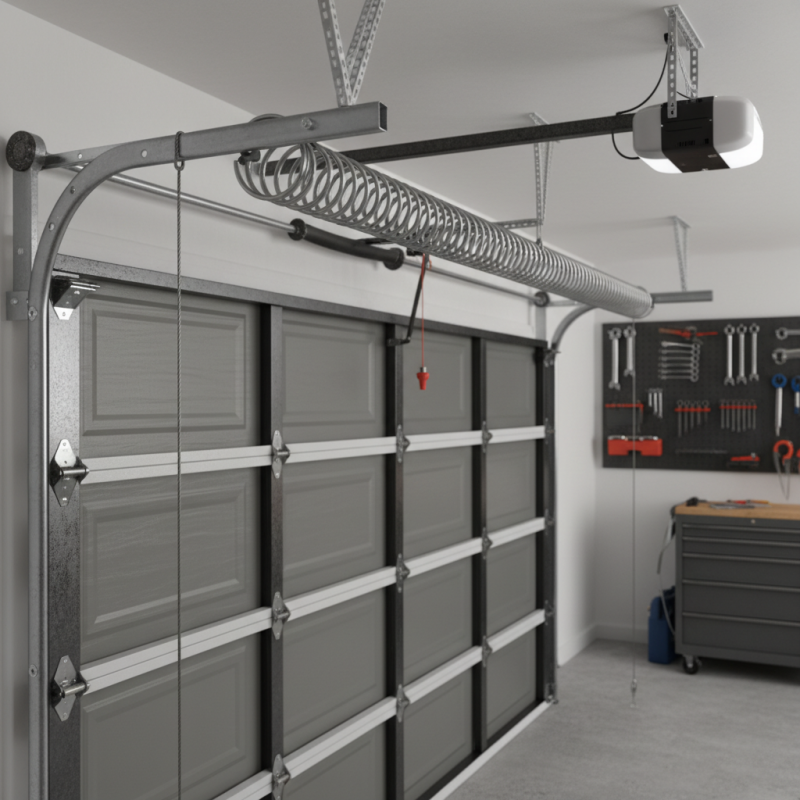
Garage door parts include springs, tracks, and openers. Each part contributes to safe operation. For example, springs help lift the heavy door. Tracks guide the door smoothly during opening or closing. Neglecting these components can lead to malfunctions.
Many homeowners overlook the importance of these parts until there's a problem. Regular inspections can prevent big issues in the future. Still, some owners may delay maintenance. This could result in costly repairs. Ensuring your garage door parts are in good condition is vital for your home's safety.
The Essential Components of Garage Doors in Modern Homes
Garage doors play a crucial role in the functionality and security of modern homes. Essential components like springs, tracks, and panels each serve a distinct purpose. The springs bear the door's weight, enabling smooth opening and closing. Worn-out springs can become hazardous. Regular maintenance is vital in ensuring they function correctly.
Tracks guide the garage door’s path, preventing it from derailing. Cleaning them often is important to avoid buildup of dirt or debris. Door panels not only maintain the aesthetic appeal but also provide insulation. Cracked or dented panels can compromise energy efficiency. Homeowners may overlook these issues, but addressing them can significantly enhance overall performance.
Safety features also deserve attention. Photo-eye sensors detect obstructions, stopping the door from closing on objects or pets. However, these sensors can malfunction, leaving gaps in safety. Regular checks are needed to ensure optimal operation. Engaging in maintenance helps avoid costly repairs down the line, but many homeowners forget this simple yet essential task.
Understanding the Mechanical Functionality of Garage Door Openers
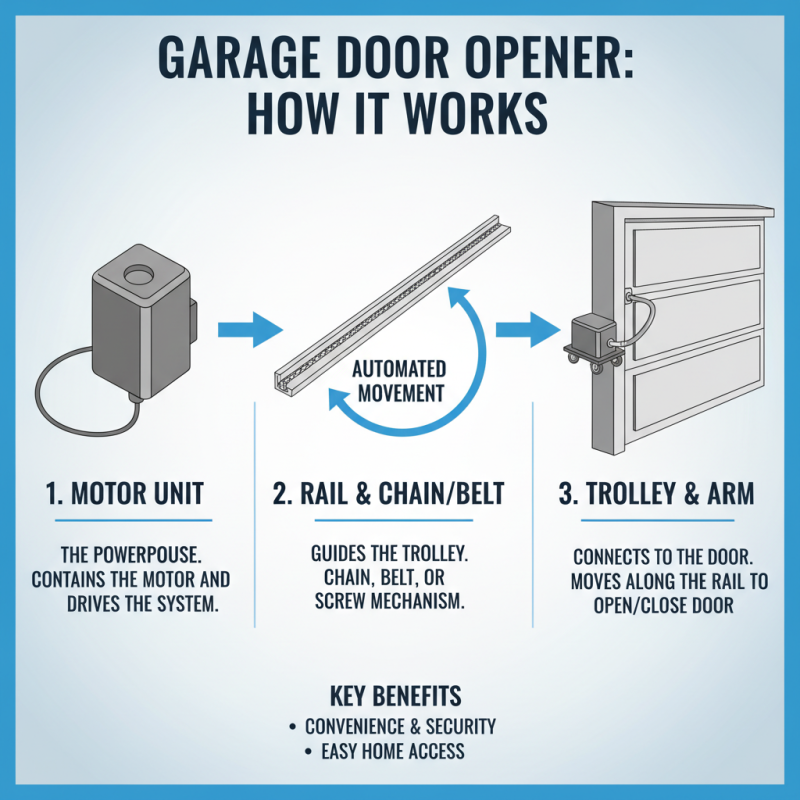
Garage door openers are vital for convenience in modern homes. They automate the opening and closing of garage doors. Understanding their mechanical functionality can help homeowners maintain their systems effectively. A typical opener consists of a motor, rail, and a trolley. The motor powers the system, while the rail guides the trolley as it moves.
The components work together in a fascinating way. When you press a button, the motor activates. It pulls the trolley along the rail, raising the door. The process can sometimes be troublesome, with issues like misalignment or wear. These problems can lead to unexpected stops or slamming doors. Homeowners should regularly inspect these parts for signs of wear, especially during seasonal changes.
Many overlook the importance of lubrication. This simple task can extend the life of the opener significantly. Delayed maintenance often leads to larger issues, requiring expensive repairs. Observing the opener in action can reveal subtle signs of inefficiency. A little attention can prevent bigger headaches down the road.
The Role of Springs in Garage Door Balance and Safety Mechanisms
Springs are crucial for the balance and safety of garage doors. These components help support the weight of the door, making it easier to open and close. According to the Garage Door Manufacturers Association, about 70% of the total weight of a garage door is managed by springs. When functioning correctly, they can significantly reduce the strain on the opener motor, leading to a longer lifespan for the entire system.
However, springs can wear out or break over time. A worn spring might not hold the door uniformly, leading to an imbalance. This can cause the door to slam shut or operate erratically, posing a safety risk. A report from the International Door Association indicates that improperly balanced garage doors account for nearly 30% of residential garage door injuries. Regular inspections can help identify issues early. Homeowners should be aware of the signs of spring fatigue, like unusual noise during operation.
While springs are designed to last several years, they require maintenance. Over time, lubrication may wear off, and rust can develop, making them less effective. Garage door springs are under high tension. A failure can lead to serious injury. According to safety regulations, all garage doors should have spring systems that are up to code. Regular checks and timely replacement can ensure they function as intended, maintaining not just convenience but safety in the home.
What is the Function of Garage Door Parts in Your Home?
| Part |
Function |
Importance |
Safety Features |
| Garage Door Springs |
Balance the door's weight for easy lifting |
Crucial for proper operation and durability |
Prevent the door from falling unexpectedly |
| Garage Door Opener |
Automatically opens and closes the door |
Enhances convenience and accessibility |
Includes safety sensors to prevent closing on obstacles |
| Tracks |
Guide the door's movement |
Ensure smooth operation |
Align the door correctly during operation |
| Hinges |
Connect the sections of the door |
Allow for flexibility and movement |
Reduce risk of section detachment |
| Cables |
Support the springs and lift the door |
Essential for balanced lifting |
Prevent snapping and losing control of the door |
Exploring the Importance of Tracks and Rollers in Garage Door Operation
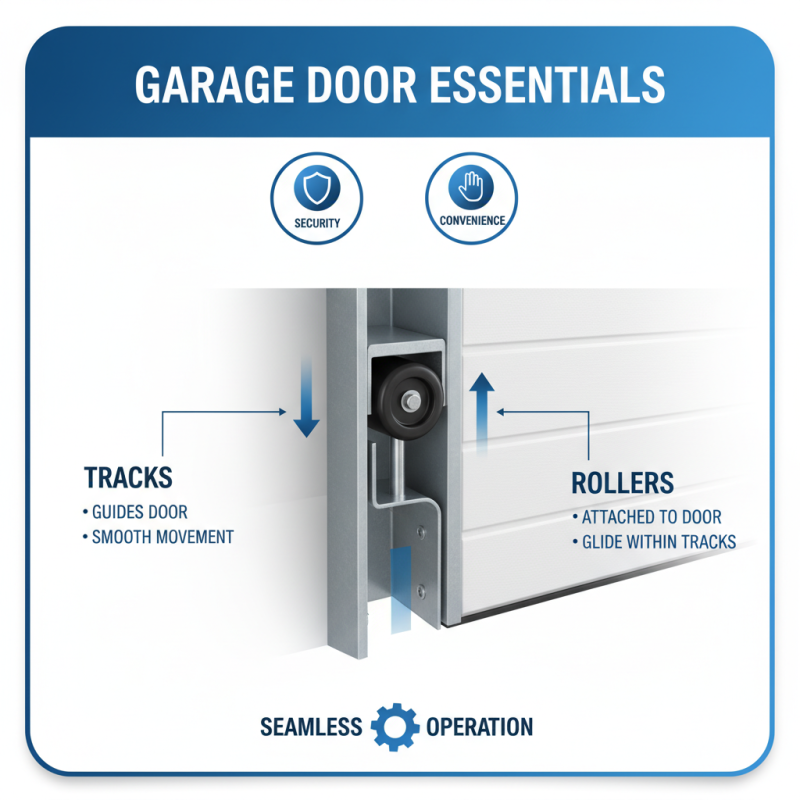
Garage doors are essential for security and convenience. They operate with several parts, but tracks and rollers are critical. Tracks guide the door as it opens and closes, ensuring smooth movement. Rollers, attached to the sides of the door, glide within the tracks. This interaction allows the heavy door to operate effortlessly.
Over time, dust and debris can accumulate on tracks, causing issues. If the rollers wear out, they may struggle to move smoothly. Regular maintenance is often overlooked. Ignoring these components can lead to a jammed door or worse, a complete malfunction. Simple checks can prevent greater problems.
Consider the safety aspect as well. A malfunctioning door might not respond properly. This can pose risks. You should regularly inspect the tracks and rollers. Even small cracks or rust can indicate a need for replacement. Paying attention to these details ensures that your garage door functions reliably.
How Sensors Enhance Safety and Security in Garage Door Systems
Garage door sensors play a crucial role in enhancing safety and security in your home. These effective devices detect obstacles in the door's path. When something is detected, the sensors prevent the door from closing fully. This feature helps protect pets and small children. Without these sensors, the risk of accidents rises significantly.
Regular maintenance of these sensors is vital. Dirt or debris can obstruct them, causing malfunction. Make it a habit to clean the sensors every few months. Check their alignment too. Misalignment can lead to false alarms or a failure to stop. A quick adjustment can often resolve the issue.
Additionally, consider integrating an alarm system with your garage door. This adds another layer of security. If someone tries to tamper with your door, the alarm will alert you. While a garage door might seem secure, vulnerabilities exist. Remain vigilant and regularly inspect all components for wear and tear. Taking these steps can enhance your home’s protection significantly.
Functionality of Garage Door Parts and the Role of Sensors
This chart illustrates the various components of garage door systems and how they contribute to overall safety and security, with a focus on sensors.