Top Tips for Garage Door Fixing in 2025 to Save You Time and Money
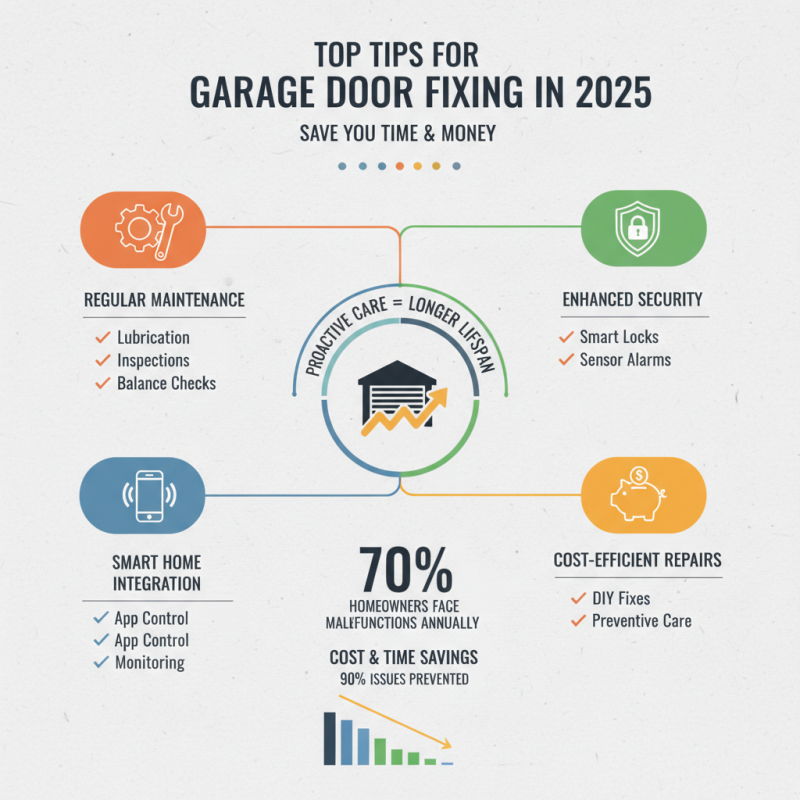
In the fast-evolving world of home maintenance, garage door fixing has become an essential focus for homeowners seeking to enhance both functionality and security. According to the latest industry report by the Garage Door Repair Association, nearly 70% of homeowners experience some form of garage door malfunctions each year, resulting in costly repairs and potential safety hazards. This increasing trend underscores the importance of staying informed about effective repair techniques and preventive measures.
"Proper maintenance can prevent 90% of garage door issues before they arise," says James Hartfield, a leading expert in garage door servicing and author of the comprehensive guide "The Essential Guide to Garage Door Repair." His insights highlight the necessity of understanding common problems and engaging in regular upkeep. By concentrating on proactive maintenance and timely fixes, homeowners can not only save money but also significantly extend the lifespan of their garage doors.
As we look towards the future, it is crucial to equip ourselves with the top tips for garage door fixing in 2025. From embracing the latest technology to adopting smart home solutions, these strategies will ultimately help to optimize the performance of garage doors while ensuring safety and cost-efficiency.
Essential Tools for Effective Garage Door Repair in 2025
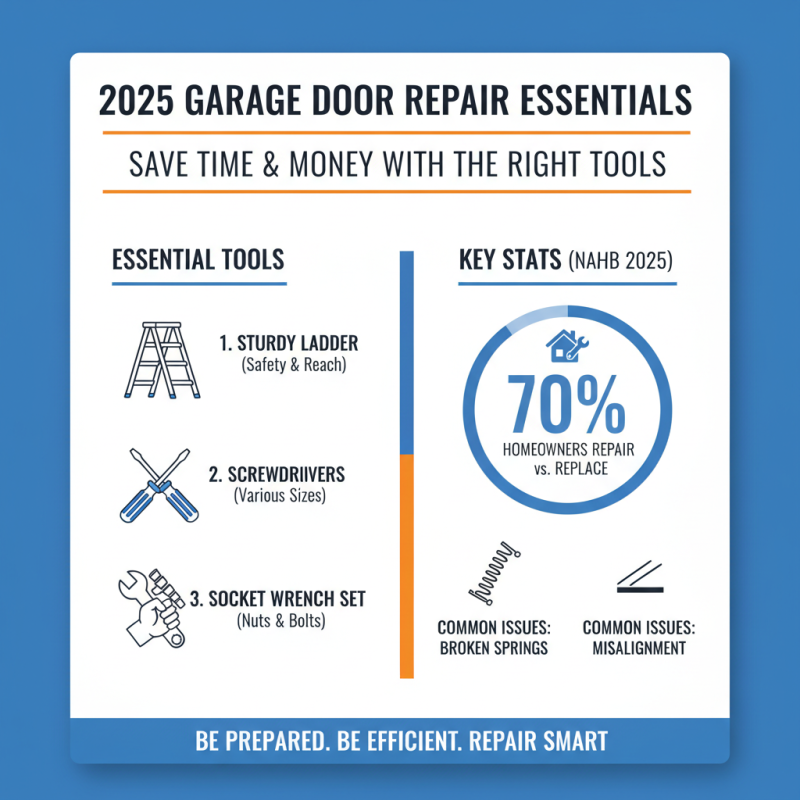
When it comes to garage door repair in 2025, having the right tools can make all the difference in saving both time and money. Essential tools for effective repairs include a sturdy ladder, screwdrivers, and a socket wrench set. According to the National Association of Home Builders, approximately 70% of homeowners choose to repair their garage doors rather than replace them, highlighting the importance of being well-equipped to handle the most common issues like misalignment and broken springs.
In addition to basic hand tools, it's advisable to invest in specialized equipment such as a garage door spring winding tool and a torque wrench. These tools not only facilitate safer and more efficient repairs but also help ensure that the garage door remains operational for years to come. A report from the Home Improvement Research Institute indicates that the average garage door repair costs homebuyers about $200 per instance, which underlines the significance of mastering DIY repair techniques and utilizing the proper tools to mitigate recurring costs. Being proactive and prepared with the appropriate toolkit can lead to significant savings as homeowners navigate the necessary maintenance for their garage doors.
Common Garage Door Problems and How to Identify Them
Garage doors are essential for the security and functionality of your home, but they can encounter a variety of problems over time. According to a recent industry report by the International Door Association, nearly 30% of homeowners experience issues with their garage doors, primarily due to wear and tear. Common problems include misaligned tracks, broken springs, and malfunctioning openers. Identifying these issues early can save you not only time but also significant repair costs. For instance, a misaligned track can often be corrected with simple adjustments, while neglecting it could result in a more costly replacement.
One of the key signs of garage door trouble is unusual noise during operation. A squeaking or grinding sound often indicates that the rollers or tracks may need lubrication or realignment. Additionally, if the door doesn't open or close fully, it could be a sign of a problem with the springs or the opener itself. In fact, data from the American Garage Door Association suggests that over 50% of garage door malfunctions stem from mechanical failures, many of which can be easily diagnosed through basic observation. Regular maintenance checks, focusing on these common indicators, can help homeowners proactively address garage door issues before they lead to more complicated and expensive repairs.
Step-by-Step Guide to DIY Garage Door Troubleshooting
When faced with a malfunctioning garage door, a systematic approach to troubleshooting can save both time and money. First, start by identifying the common issues that might be causing the problem. Check the power supply to ensure the door opener is plugged in and the circuit breaker hasn’t tripped. If the opener is operational but the door doesn’t respond, inspect the remote control batteries and the photo-eye sensors for any obstructions or misalignment.
Next, examine the mechanical components of the garage door. Look for loose or damaged hinges, rollers, and cables. Lubricating these parts can often resolve sticking or noisy doors. If the door is misaligned, you may need to adjust the tracks by loosening the screws and gently tapping the tracks back into place. Regular maintenance, such as cleaning the rollers and lubricating moving parts, can prevent many common issues, ensuring that your garage door operates smoothly and efficiently for years to come.
Garage Door Troubleshooting: Common Issues and Fixes in 2025
Cost-Effective Solutions for Common Garage Door Issues
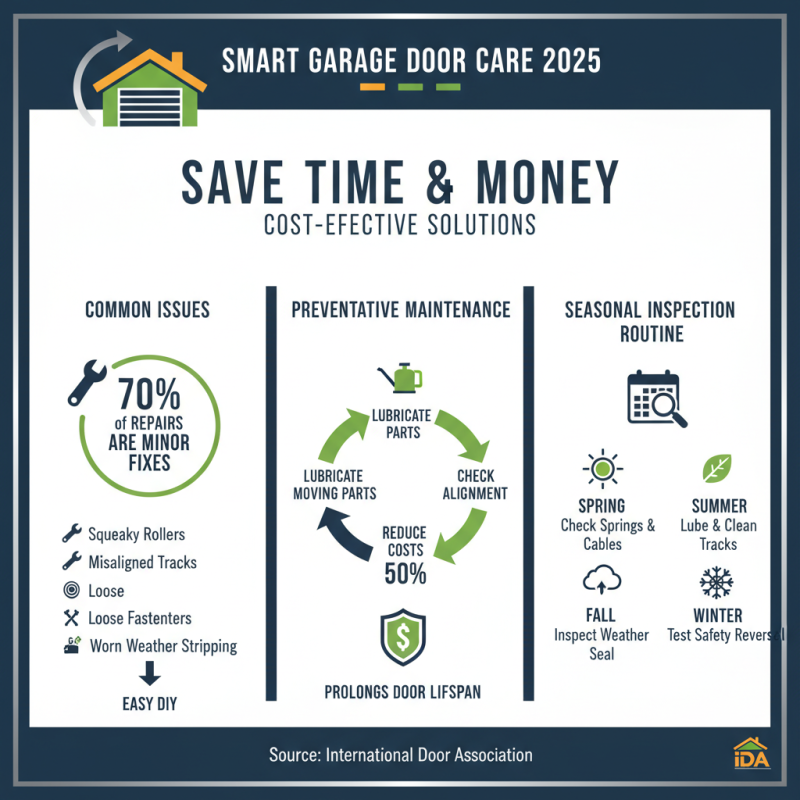
When it comes to garage door maintenance and repairs, addressing common issues with cost-effective solutions can save homeowners both time and money in 2025. According to the International Door Association, approximately 70% of garage door repair calls are due to minor issues that can often be resolved with a simple fix. Regular maintenance, such as lubricating moving parts and checking alignment, can prevent more significant problems, reducing repair costs by as much as 50%. Homeowners should consider implementing a seasonal inspection routine to catch wear and tear early, which can prolong the lifespan of their garage doors.
Another common issue is the failure of garage door openers. The overhead door industry estimates that replacing a broken opener can cost between $200 and $500, depending on the type. However, some malfunctions can be addressed without full replacement. For instance, in many cases, reprogramming or replacing the batteries in the remote control can rectify the problem. Additionally, ensuring that the photo-eye sensors are clean and correctly aligned is a straightforward task that can often restore functionality without incurring high service fees. By taking proactive measures and understanding these common issues, homeowners can significantly reduce their garage door maintenance expenses while ensuring smooth operation for years to come.
Preventative Maintenance Tips to Extend Garage Door Lifespan
Maintaining a garage door is essential for ensuring its longevity and functionality. One of the most fundamental steps in preventative maintenance is to regularly inspect the door's components. This includes checking the springs, cables, rollers, and tracks for any signs of wear or damage. Early detection of these issues can prevent more significant problems down the line, saving you both time and money on major repairs.
Another critical aspect of garage door maintenance is lubrication. Over time, the moving parts of your garage door can become rusty or dry, leading to friction and increased wear. Applying a suitable lubricant to the hinges, rollers, and tracks can enhance the door's performance and extend its lifespan. Additionally, it’s advisable to clean the door’s exterior periodically to prevent dirt and grime buildup, which can cause corrosion and other damage. By incorporating these simple routines into your maintenance schedule, you can ensure your garage door operates smoothly and efficiently for years to come.
Top Tips for Garage Door Fixing in 2025 to Save You Time and Money - Preventative Maintenance Tips to Extend Garage Door Lifespan
| Tip |
Description |
Frequency |
Estimated Savings |
| Inspect Springs |
Check for wear and tear to prevent malfunction. |
Monthly |
$50 |
| Lubricate Moving Parts |
Keep gears and wheels lubricated to ensure smooth operation. |
Every 3 Months |
$30 |
| Test Safety Sensors |
Ensure sensors are aligned and functioning to avoid accidents. |
Every 6 Months |
$40 |
| Clean Tracks |
Remove debris build-up to avoid operational issues. |
Monthly |
$20 |
| Tighten Hardware |
Ensure all bolts and screws are secure. |
Annually |
$10 |