Top Tips for Garage Door Fixing at Home to Save Money and Time
Garage doors are essential to home security and convenience. However, they sometimes malfunction, leading to frustration and unexpected costs. According to Rick Johnson, a garage door expert, "Small fixes can save homeowners big money." This statement highlights the importance of understanding basic garage door fixing techniques.
Many homeowners face issues such as squeaky noises or sticking doors. These problems may seem trivial but can escalate quickly. For instance, a rusty hinge could lead to significant damage if ignored. It's crucial to regularly inspect your garage door to catch small issues early on.
Learning some DIY skills can be empowering. However, not every problem can or should be fixed at home. Sometimes, a mistake can worsen the situation. Knowing when to call a professional is as important as knowing how to fix it yourself.
Understanding Common Garage Door Issues and Their Causes
Garage doors can encounter various issues that frustrate homeowners. One common problem is a door that won't open or close properly. This could stem from misaligned tracks or worn-out rollers. A simple visual inspection can help identify these issues. Sometimes, the door may be stuck due to debris or obstacles in the path. Clearing the area often resolves this.
Another frequent issue involves the garage door opener. If it makes a strange noise or doesn’t respond, the problem might lie with the remote control or a dead battery. Check the batteries first. If they are fine, inspect the wiring for any signs of damage. Sometimes, it’s easy to overlook these details. Regular maintenance can prevent these small issues from becoming major headaches.
Additionally, springs play a crucial role in garage door functioning. If a spring breaks, the door will be heavy and difficult to lift. It’s vital to recognize that replacing springs can be dangerous without proper knowledge. Think before attempting repairs that seem too complex. Garage door issues can often seem simple on the surface, but they can hide deeper problems that require thoughtful troubleshooting.
Essential Tools and Materials for DIY Garage Door Repairs
When it comes to garage door repairs, having the right tools is essential. A recent industry report shows that nearly 70% of homeowners attempt DIY repairs. However, many face challenges due to a lack of proper tools. Basic tools like a screwdriver set, pliers, and a level are crucial. Additionally, you may need a mallet, extension cord, and a socket wrench. These items help in minor repairs, making the process smoother.
Materials play a key role too. For instance, having replacement springs and cables on hand can save you from unexpected breakdowns. Studies indicate that nearly 30% of garage door issues arise from broken springs. Furthermore, using high-quality lubricants helps in maintaining smooth operation. An estimated 40% of garage doors fail due to inadequate lubrication. Without proper maintenance materials, even the best tools won't yield effective repairs.
It's easy to overlook some of these essentials in the excitement of DIY. Yet, having a complete toolkit is vital. Investing time in preparation can prevent many common pitfalls. Don't forget to assess your existing tools and materials. You might find that what you have isn't enough for the job at hand. Reflecting on your toolkit can lead to smarter decisions down the line.
Step-by-Step Guide to Troubleshooting Garage Door Problems
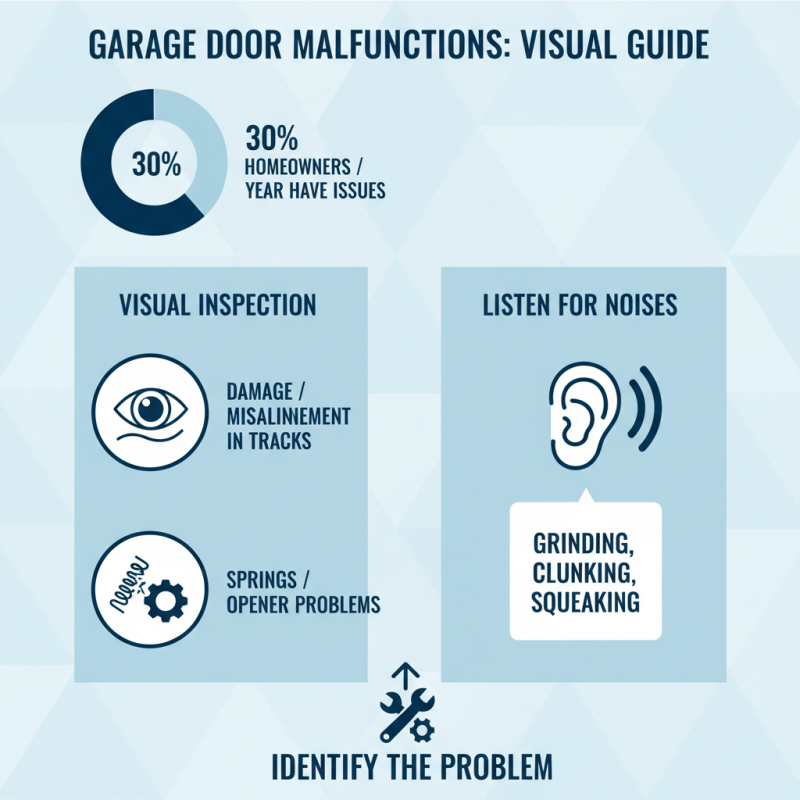
Garage doors can malfunction for various reasons. According to industry reports, nearly 30% of homeowners experience issues with their garage doors each year. Identifying the problem starts with a visual inspection. Look for any visible damage or misalignment in the tracks. Listen for strange noises when the door operates. These sounds often indicate a problem with the springs or opener.
Next, check the sensors located at the bottom of the door. Ensure they are clean and aligned. If the door doesn’t close properly, this could be the cause. A quick wipe with a cloth might fix it. Additionally, inspect the springs. If they appear stretched or broken, this could be a significant safety concern. It’s crucial to address these issues promptly. Reports show that neglecting maintenance can lead to higher repair costs in the long run.
Many homeowners overlook regular maintenance, leading to bigger problems. Statistics reveal that 80% of garage door failures could have been prevented with routine checks. If you experience frequent problems, take time to reflect on your maintenance habits. Proper attention can save time and money, ensuring smooth operation of your garage door.
Preventive Maintenance Tips to Extend Garage Door Lifespan
Regular maintenance can greatly extend the lifespan of your garage door. Dirt and grime often accumulate in the tracks. Cleaning these tracks is a simple yet effective way to keep the door functioning well. Just use a damp cloth regularly to wipe them down. This small step prevents unnecessary wear.
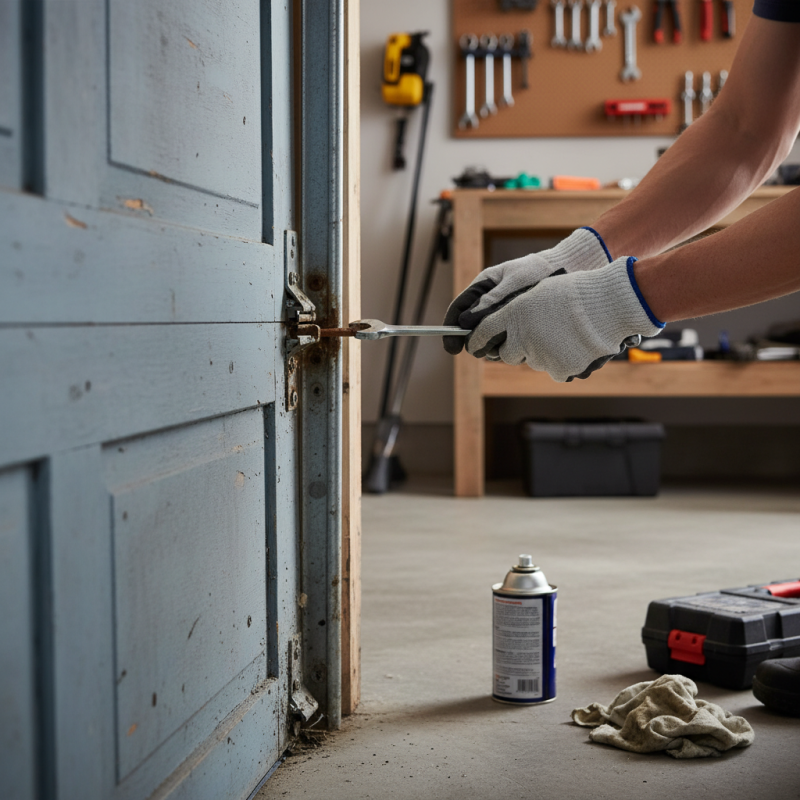
Lubrication is another key aspect. Applying lubricant to the moving parts, like rollers and hinges, helps reduce friction. It's vital to do this at least twice a year. In busy households, it’s easy to forget. A sticky door may drag or even malfunction, leading to costly repairs.
Check the springs and cables for signs of wear too. Corrosion or fraying can lead to sudden failure. If you see anything concerning, consider getting a professional to take a look. Delaying this can be a regrettable mistake. Noticing problems early can save time and money in the long run.
Garage Door Repair Frequency and Cost Analysis
When to Seek Professional Help for Garage Door Repairs
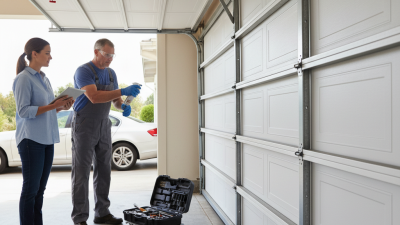
When your garage door shows signs of trouble, it’s tempting to fix it yourself. However, some issues require professional attention. If your door won’t open or close properly, seek help. A misaligned track or broken spring can be dangerous to fix alone.
Other warning signs include unusual noises and slow response times. These problems often indicate deeper issues. If your garage door is unresponsive, don’t hesitate. Professionals have the right tools and experience to handle complex repairs safely.
DIY fixes can lead to mistakes. Mishandling components may cause further damage or injury. Reflect on the situation. Some savings aren’t worth the risk. Consider contacting an expert to ensure the job is done right the first time. Your safety is paramount.
Top Tips for Garage Door Fixing at Home to Save Money and Time - When to Seek Professional Help for Garage Door Repairs
| Tip |
Description |
When to DIY |
When to Call a Professional |
| Check Springs |
Inspect the condition of the springs for wear and tear. |
If they are rusty but functional. |
If they are broken or need replacement. |
| Lubricate Moving Parts |
Use a silicone-based lubricant on rollers and tracks. |
If it's making noise or operating slowly. |
If the noise persists after lubrication. |
| Test the Sensors |
Make sure sensors are aligned and clean. |
If the door doesn't open or close correctly. |
If realignment does not fix the issue. |
| Inspect the Door Alignment |
Check if the door is level on both sides. |
If it’s just slightly off. |
If adjustments are complex or ineffective. |
| Replace Weatherstripping |
Ensure seals are intact to prevent air leaks. |
If it's cracked or worn. |
If the frames or mounting are also damaged. |