What is a garage door panel and how does it work?
A garage door panel is a crucial component of any garage door system. It serves as both a barrier and a protective shield for your vehicle and belongings. These panels come in various materials, such as steel, wood, or aluminum, each offering unique features and benefits. Understanding how a garage door panel works can help homeowners maintain their doors effectively.
The operation of a garage door panel involves various elements, including springs and tracks. When engaged, the system lifts smoothly, creating an opening. The way these panels interact with other components can be intricate. It is not uncommon for issues to arise, leading to frustrating complications.
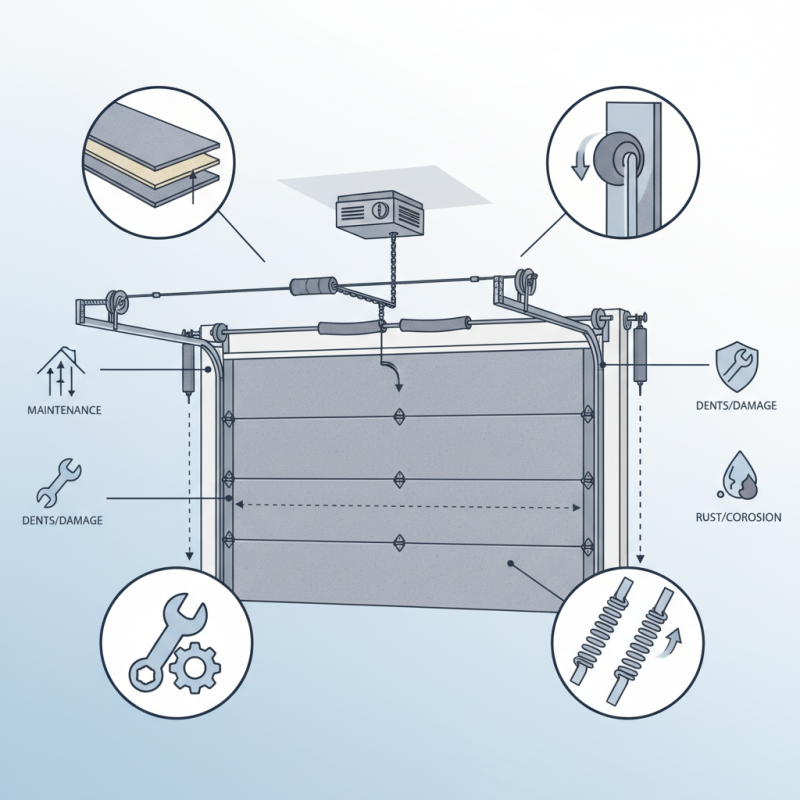
Some homeowners overlook the importance of regular maintenance. Common problems include dents, rust, and misalignment. These issues can compromise the performance of your garage door panel. Taking time to inspect and clean the panels can prevent future headaches and ensure smooth operation. However, many ignore this step, opting for convenience over care. It's a choice that requires reflection.
What is a Garage Door Panel? Definition and Key Features
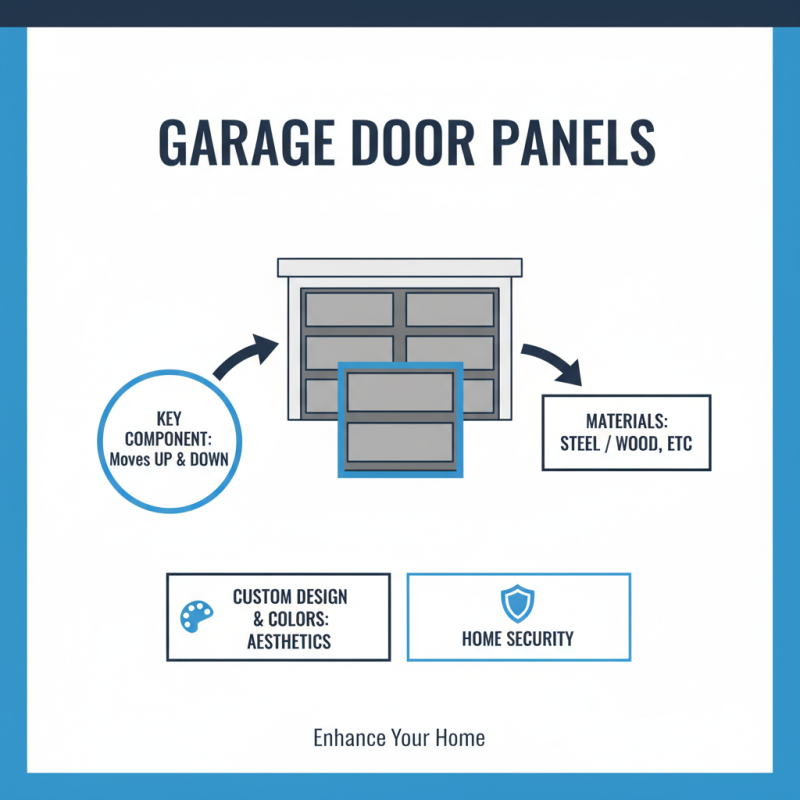
A garage door panel is a key component of a garage door system. It is the large, flat surface that moves up and down when the door opens or closes. Made from various materials, such as steel or wood, each panel can have unique designs and colors. This adds an aesthetic touch to your home while providing security.
Among the critical features of garage door panels, insulation is vital. Insulated panels help maintain stable temperatures inside the garage. They also reduce energy consumption. This can be particularly important for garages that serve as workshops or other functional spaces. A well-insulated panel can also minimize noise during operation.
**Tips:** Regular maintenance is essential. Check for any signs of damage or wear on the panels. Small dents or cracks can lead to bigger issues over time. Consider cleaning your panels to prevent rust and prolong their lifespan. If you notice any irregularities when the door operates, it may mean something is off with the panels. Always pay attention to how the door functions.
Types of Garage Door Panels: Materials and Designs Explained
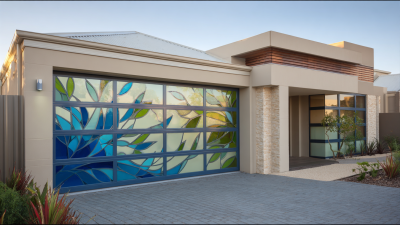
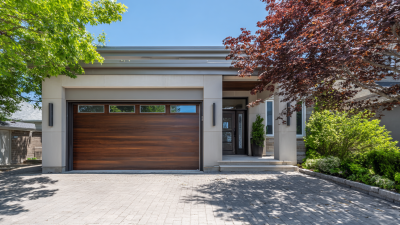
Garage door panels are essential components that provide both function and aesthetics. They come in a variety of materials and designs, allowing homeowners to personalize their garages. Typically, these panels are made from steel, wood, fiberglass, or aluminum. Each material has unique characteristics. For example, steel is durable and low maintenance. Wood offers a classic look but requires regular upkeep. Fiberglass is lightweight and resistant to rust, while aluminum is corrosion-resistant and can be painted in various colors.
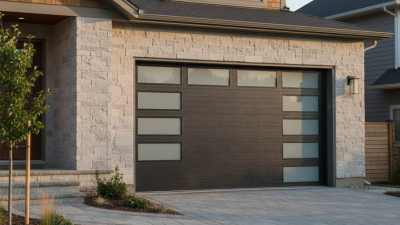
When it comes to design, options are abundant. Traditional raised panels are popular for their timeless appeal. Modern styles may feature sleek, flat panels for a minimalist look. Windows can enhance charm, letting in natural light and providing visibility. Insulated panels are a key consideration in colder climates. They help maintain temperature control, improving energy efficiency.
Choosing the right panel type involves considering aesthetics, functionality, and budget. Think about your home's overall design. Sometimes, homeowners rush this decision. They select a panel based solely on price or immediate availability. However, investing time in exploring different options can lead to a more satisfying choice. Each panel type has pros and cons that should be weighed carefully.
Types of Garage Door Panels by Material
Mechanics of Garage Door Panels: How They Operate in Movement
Garage door panels play a crucial role in the overall function of garage doors. They are usually made of steel, aluminum, wood, or fiberglass. Each material offers different benefits. A study from the Garage Door Manufacturers Association (GDMA) reveals that over 70% of homeowners prioritize insulation in their choices. Good insulation can save on energy costs during extreme weather.
Understanding how these panels operate is essential. When the garage door opens or closes, the panels slide along tracks. Rollers attached to the panels help in smooth movement. These rollers often wear out over time, leading to potential malfunctions. Regular inspection of these components is necessary. Research shows that maintenance can improve the lifespan of garage doors by as much as 40%.
A key factor influencing performance is panel alignment. Misaligned panels can lead to frustrating operational issues. Sometimes, a simple adjustment is all it takes. Homeowners frequently overlook this simple fix. Observing gaps or uneven movement can be the first indication of trouble. Regular care can ensure that garage doors operate efficiently and safely.
What is a garage door panel and how does it work? - Mechanics of Garage Door Panels: How They Operate in Movement
| Panel Type |
Material |
Insulation |
Weight (lbs) |
Average Cost ($) |
| Sectional Panel |
Steel |
Yes |
130 |
900 |
| Carriage House Panel |
Wood |
Optional |
200 |
1500 |
| Roll-Up Panel |
Aluminum |
No |
100 |
800 |
| Flush Panel |
Fiberglass |
Yes |
110 |
700 |
Common Issues with Garage Door Panels and Maintenance Tips
Garage door panels play a crucial role in the functionality of garage doors. They are designed to provide insulation and strength while enhancing the door's overall aesthetics. However, issues can arise over time. Common problems include dents, warping, and rust. According to industry reports, nearly 30% of garage door failures are attributed to damaged panels.
Maintenance is essential to extend the life of garage door panels. Regular inspections, ideally every few months, help identify early signs of wear. Keeping the tracks clean and lubricated is vital. About 20% of homeowners neglect this simple task, leading to operational issues. Furthermore, checking for misalignment can prevent bigger problems down the line.
In addition, weather conditions can affect garage door panels significantly. Heat can cause warping, while moisture may lead to rust. It’s important to use weatherstripping to guard against such elements. Many overlook this, thinking it’s just an aesthetic choice. Investing time in maintenance can save costs in the long run.
Industry Standards for Garage Door Panels: Safety and Durability Factors
When discussing garage door panels, safety and durability are crucial. These panels must comply with industry standards to ensure they withstand daily use. Manufacturers test materials for strength and resistance to weather changes. Panels need to resist dents and scratches, common wear from vehicles and pets.
In addition, safety features are vital. Many panels include pinch protection, preventing injuries when closing. This is often overlooked. Users tend to assume that all panels have sufficient safety measures. Yet, the reality is that not all panels are created equal. Regular inspections can help identify any potential issues.
Durability also plays a significant role in choosing garage door panels. Poor-quality panels can warp or crack over time. Homeowners should consider maintenance routines. Neglecting this may lead to early replacements, costing more in the long run. It’s essential to reflect on product quality before making a decision. After all, the right choice protects both the home and family.