How to Perform a Garage Door Tune Up for Smooth Operation and Longevity
A well-functioning garage door is an essential component of any home, providing security and convenience while enhancing the property's curb appeal. However, many homeowners overlook the importance of regular maintenance, such as a garage door tune up, which is crucial for ensuring smooth operation and extending the lifespan of the door. According to the International Door Association (IDA), regular maintenance can increase the functional life of garage doors by up to 30% and significantly reduce the likelihood of unexpected repairs.
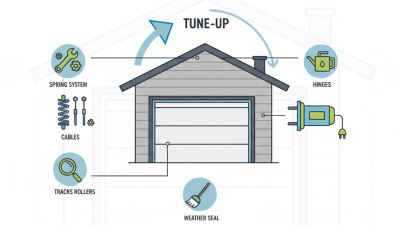
The process of a garage door tune up typically involves a comprehensive inspection and adjustment of components that facilitate its operation, including springs, rollers, and tracks. A study by the Research Institute for Construction and Engineering found that nearly 30% of garage door malfunctions are directly related to lack of maintenance. By performing a garage door tune up, homeowners can address issues such as frayed cables or misaligned tracks before they become serious problems, ultimately saving on costly repairs and replacements.
As we explore the steps involved in performing a garage door tune up, it is important to recognize that proactive care not only ensures safer operation but also contributes to the longevity of this vital home feature. Engaging in regular tune ups fosters peace of mind and keeps the garage door operating smoothly for years to come.
Essential Tools for a Successful Garage Door Tune Up
Performing a garage door tune-up is essential for ensuring smooth operation and prolonging the lifespan of the door. To effectively conduct this maintenance, having the right tools on hand is crucial. According to industry reports, around 30% of all residential garage door problems can be traced back to inadequate maintenance, highlighting the significance of using proper tools during tune-ups.
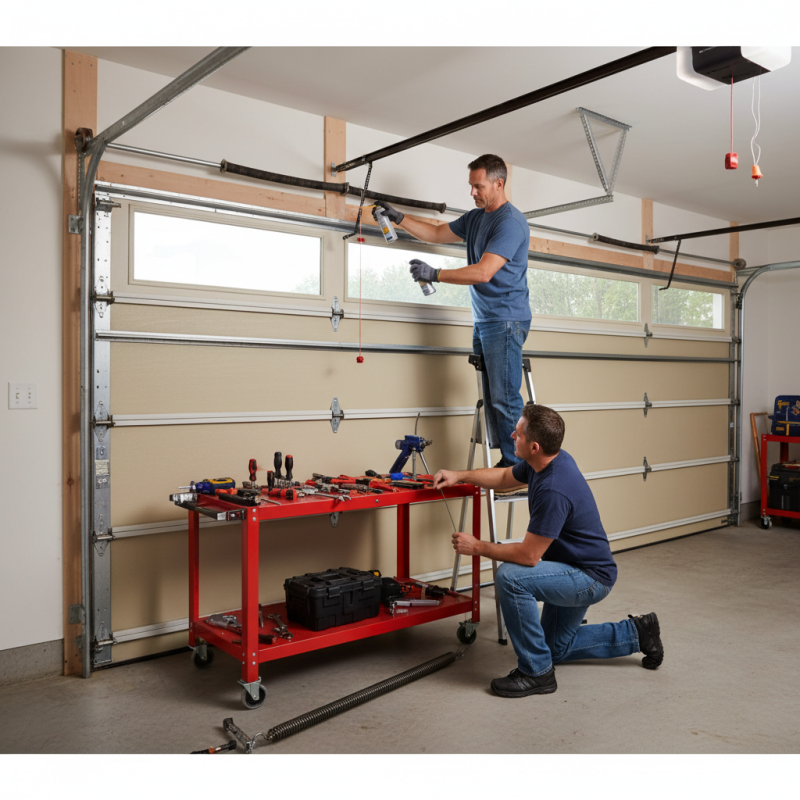
The essential tools for a successful garage door tune-up include a level, a socket set, and a torsion spring winding tool. A level is important for checking the alignment of the garage door, ensuring it opens and closes properly. A socket set allows for easy tightening or loosening of bolts and screws that may have come loose over time. Additionally, the torsion spring winding tool is essential for safely adjusting the tension of the springs, which can significantly affect the door's operation. Reports from the International Door Association indicate that regular maintenance using the right tools can increase the lifespan of a garage door system by up to 50%, making the investment in quality tools well worth it.
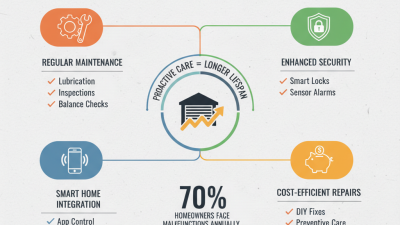
Garage Door Tune-Up Benefits
Step-by-Step Procedure for Inspecting Garage Door Components
Performing a garage door tune-up can significantly enhance its smooth operation and longevity. To start, inspect the garage door springs for signs of wear or rust. These components bear the weight of the door and require regular maintenance to ensure they function optimally. If you notice any issues, it may be time to call a professional for replacement. While inspecting, also check the cables and pulleys; they should be free of frays and not overly stretched.
Next, examine the tracks and rollers. Clean any debris or dirt that may have accumulated, as this can hinder the door's movement. Lubricating the rollers and ensuring they move smoothly along the tracks will help prevent any loud noises or jamming. Remember to perform this maintenance at least once a year for optimal performance.
Tips: Regularly test the auto-reverse mechanism of your garage door. Place a small object on the ground and ensure the door reverses after making contact. This safety feature is crucial for preventing accidents. Additionally, check the weather stripping at the bottom of the door. If it’s cracked or worn, replacing it will help maintain energy efficiency and protect your garage from the elements.
Lubrication Techniques for Smooth Garage Door Movement
To ensure your garage door operates smoothly and lasts longer, proper lubrication is essential. Regularly lubricating the moving parts minimizes friction, reduces wear and tear, and enhances the overall performance of your garage door. Start by inspecting the various components: hinges, rollers, tracks, and springs. A high-quality silicone-based lubricant or lithium grease is ideal for these areas, as they provide lasting protection without attracting dirt and debris.
Tips: When applying lubricant, avoid over-saturating any part. A little goes a long way. Use a clean cloth to wipe away excess lubricant, ensuring that it does not drip or accumulate on the floor. Additionally, consider lubricating the weather stripping and tracks for improved sealing and smoother movement.
Another important aspect of maintenance is lubricating the garage door opener's chain or belt, if applicable. This will help the opener operate more quietly and effectively. Check the manufacturer's recommendations for specifics on lubrication frequency and methods, as this can vary based on the door type and opener system. By adhering to these lubrication techniques, you’ll enhance your garage door’s functionality, making it more reliable and prolonging its lifespan.
Adjusting Garage Door Springs for Optimal Performance
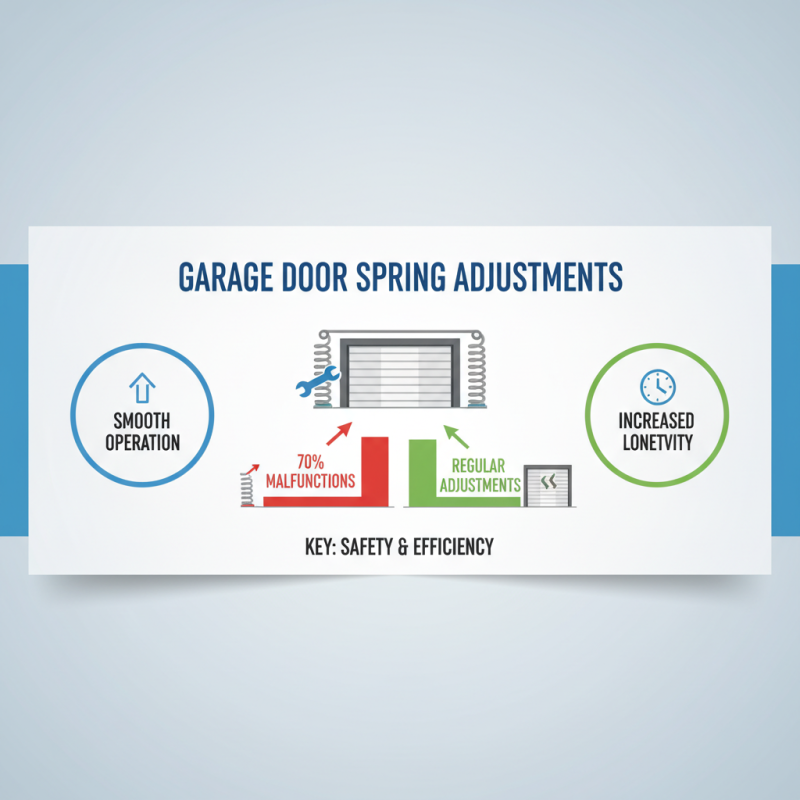
Adjusting garage door springs is a crucial step in ensuring optimal performance and longevity of your garage door system. The springs bear the weight of the door, providing the necessary tension to lift and close it smoothly. According to industry data, approximately 70% of garage door malfunctions stem from improper spring tension. Therefore, regular adjustments are essential to maintain safety and efficiency.
To perform this adjustment, one must first assess the spring type: extension springs or torsion springs. Extension springs are usually found on either side of the door, while torsion springs are mounted above the door. Each type requires specific adjustment protocols. For instance, adjustments should be made in small increments—no more than a quarter turn for torsion springs—while ensuring the door is balanced after each tweak. Proper spring tension will not only enhance the door's performance but also extend its lifespan, with well-maintained springs potentially lasting over 15,000 cycles, as indicated by lift system studies.
Moreover, it’s prudent to inspect accessories such as the garage door opener’s sensitivity settings, as these should coordinate harmoniously with spring tension for optimal operation. Regular evaluations and adjustments can prevent common issues, such as noisy openings and closings or unexpected door reversals, which may result in repair costs averaging around $150 per service call, according to recent homeowner surveys. Thus, a proactive approach to garage door maintenance not only ensures safety but also contributes to overall cost savings.
Testing Safety Features for Enhanced Garage Door Security
When it comes to ensuring the longevity and smooth operation of your garage door,
testing its safety features is paramount. Modern garage doors are equipped with various
safety mechanisms designed to prevent accidents and enhance security for your home. One crucial feature to check is
the auto-reverse function, which ensures that if the door encounters an
obstruction while closing, it automatically reverses to prevent injury or damage.
To test this, place a small object under the door and watch as it should reverse upon contact. Regular checks of
this feature not only safeguard loved ones but also maintain the integrity of the door itself.
Another essential aspect of garage door safety is the functionality of the safety sensors,
which detect objects in the path of the door. To verify their effectiveness, you can try blocking the sensors with
your hand while the door is closing; the door should stop and reverse to an open position. It’s also important to
inspect the wiring and alignment of the sensors periodically. If they are misaligned or damaged, they may fail to
operate correctly, compromising safety. Regularly testing and maintaining these
features fosters a secure environment while prolonging the lifespan of your garage door system.