What is Overhead Door Installation and How to Get Started?
Overhead door installation is a crucial task for homeowners and business owners alike. This process involves hanging and securing a large, often heavy door that opens overhead. It can enhance both security and curb appeal. However, getting it right requires specific skills and knowledge.
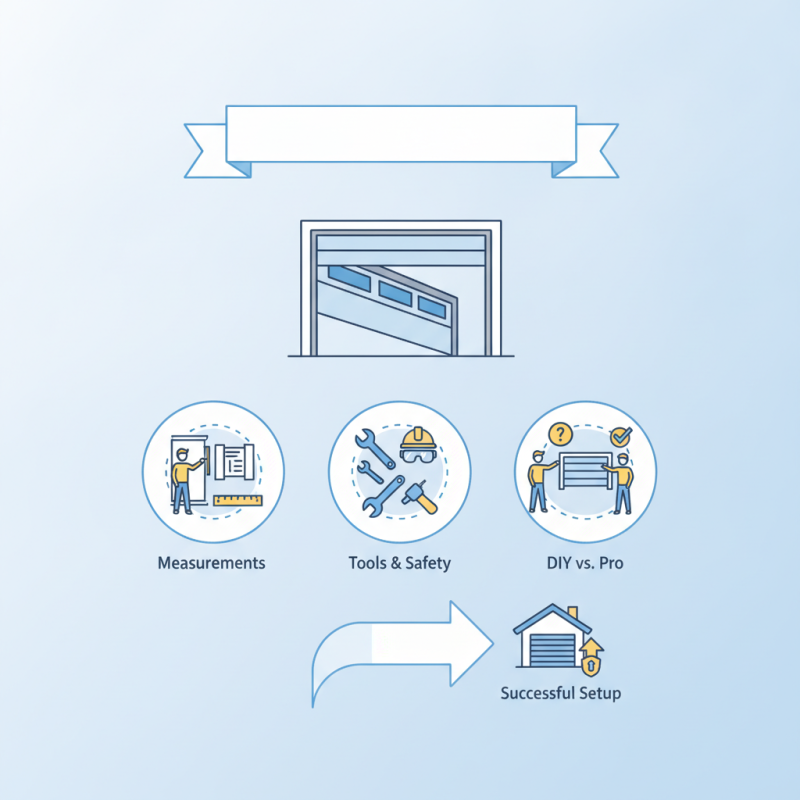
Many people underestimate the complexity of overhead door installation. Proper measurements, tools, and safety protocols are essential to avoid potential hazards. If done incorrectly, the door might not function well, leading to future expenses. It’s important to reflect on your own abilities. Seeking help from professionals can be a wise choice if you lack experience or confidence.
In this guide, we will explore the steps involved in overhead door installation. Gaining a clear understanding can help ensure a successful setup. Whether you choose to take on this project yourself or hire an expert, being informed is key.
Understanding Overhead Doors and Their Benefits
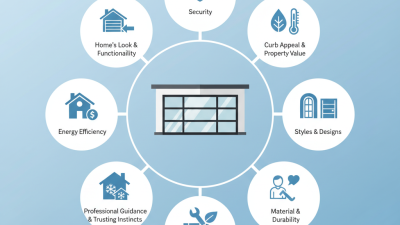
Overhead doors offer numerous advantages for both residential and commercial spaces. They provide security while enhancing accessibility. A well-installed overhead door can significantly improve the aesthetics of a building. These doors come in various styles, materials, and colors, allowing customization to match any architectural design.
Installing an overhead door can seem daunting. Important factors include selecting the right size and type for your space. Moreover, understanding the operational mechanisms is essential. Many people overlook this, leading to improper installations. This can result in functional issues down the line. Hiring a professional can ease this process, ensuring safety and efficiency.
However, DIY installations can be rewarding if done correctly. Learning about hardware components and installation techniques is crucial. It might take time to master, and mistakes could happen. Those who are patient may find joy in completing the project themselves. Embrace the complexity of the task and take it step by step. Proper research is key to a successful overhead door setup.
Benefits of Overhead Door Installation
This chart illustrates the key benefits of overhead door installation, highlighting factors such as increased security, energy efficiency, space saving, aesthetic appeal, and convenience. Each benefit is rated based on its significance.
Essential Tools and Materials for Installation
When it comes to overhead door installation, having the right tools and materials is key. A tape measure is essential for accurate dimensions. It ensures your door fits perfectly into the opening. A level will help you align the door correctly. This avoids operational problems later.
Common materials include tracking systems and rollers. These components are vital for smooth door movement. Don’t overlook safety cables. They prevent the door from falling if something goes wrong. Always prioritize safety when handling heavy materials.
Tips: Always read the manual of your chosen system. Each product has specific installation instructions. Double-check your measurements before cutting any pieces. Mistakes can cost time and resources. Take your time with assembly; rushing can lead to issues. A reliable install creates a long-lasting door that serves its purpose well.
What is Overhead Door Installation and How to Get Started? - Essential Tools and Materials for Installation
| Tool/Material |
Purpose |
Quantity Needed |
Estimated Cost ($) |
| Drill |
For drilling holes in the framework |
1 |
100 |
| Screwdriver Set |
To tighten and loosen screws |
1 |
30 |
| Level |
Ensure the door is installed straight |
1 |
20 |
| Tape Measure |
Measurements for door size and frame |
1 |
15 |
| Plywood |
For framing the door structure |
2 sheets |
50 |
| Hinges |
Allow the door to pivot open and closed |
4 |
10 |
| Garage Door Opener |
Automate the opening and closing of the door |
1 |
200 |
Step-by-Step Guide to Installing Overhead Doors
Installing overhead doors can seem daunting. However, with proper guidance, it can be a manageable task. In 2022, industry reports indicated that nearly 60% of homeowners attempted DIY installations for their garage doors. Understanding the installation process is crucial for a successful outcome.
Begin by gathering essential tools. You will need a drill, wrenches, bolts, and safety glasses. Ensure your workspace is clear. Take precise measurements of your door opening. Incorrect measurements lead to poor fitting. It's advisable to review installation manuals or online resources. Many manufacturers offer detailed guides for their products. This can add clarity to complex steps.
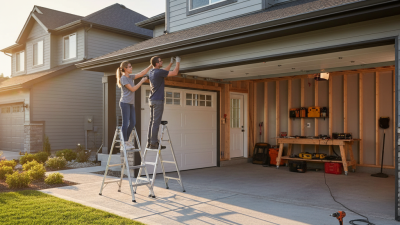
During installation, be mindful of the door's weight and mechanics. Overhead doors can weigh up to 300 pounds, requiring careful handling. Safety cannot be overlooked: ensure you have a partner to assist. If the installation seems overwhelming, consider consulting a professional for specific challenges, such as aligning tracks or troubleshooting problems. Even experienced DIYers find certain steps tricky. It's alright to seek help when needed. A poorly installed door can lead to issues like misalignment, which is frustrating and costly in the long run.
Common Challenges and Solutions in Overhead Door Installation
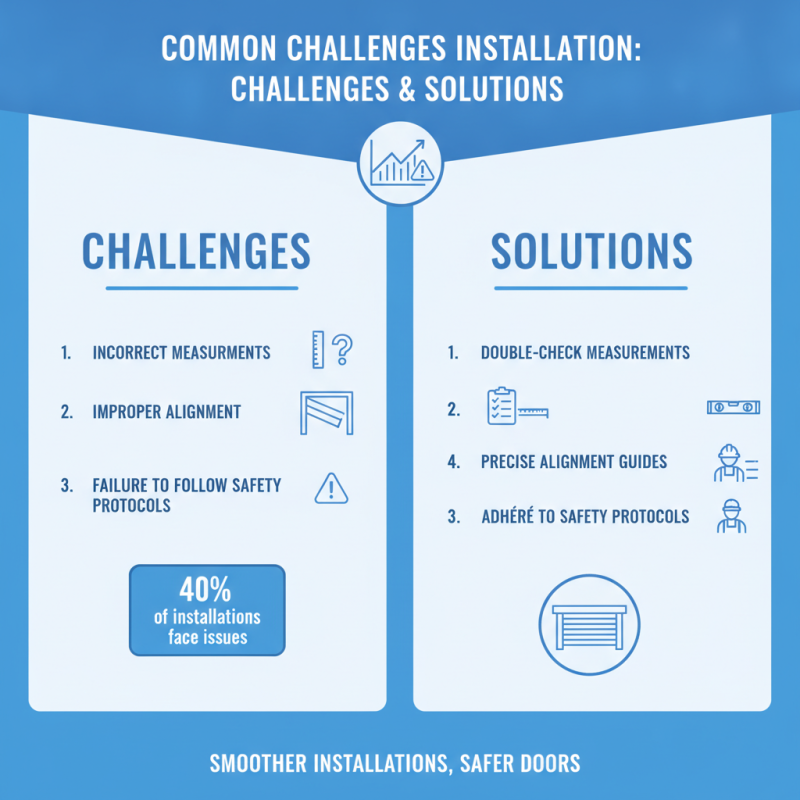
Overhead door installation can seem straightforward, but many encounter challenges. Understanding potential issues is crucial for success. Common problems include incorrect measurements, improper alignment, and failure to follow safety protocols. These can lead to malfunctioning doors, which might cause damage or pose safety risks. According to industry reports, nearly 40% of installations encounter at least one of these common challenges.
Tips: Always double-check measurements before cutting. Precision is key.
Another significant challenge is dealing with weight. Overhead doors can be heavy, making handling difficult. Incorrect lifting techniques can cause injuries. In fact, a report from the Occupational Safety and Health Administration states that improper lifting is a common workplace injury. Ensuring you have adequate help or using mechanical assistance can mitigate these risks.
Tips: Use a buddy system for heavy lifting. Safety first.
Finally, poor weather conditions can delay installation. Rain or extreme cold can make surfaces slippery or difficult to work on. Many installers overlook the seasonal implications when scheduling. Being aware of local weather patterns can help you choose the best time for installation.
Tips: Monitor forecasts closely. Flexibility can save time.