What is an Overhead Door Opener and How Does it Work?
An overhead door opener is a vital component for modern garages. It provides convenience and security, allowing users to open and close their garage doors effortlessly. The mechanism typically uses a motor that powers the door's movement. Most systems operate via remote control, mobile apps, or wall switches. Users appreciate the ease of access this technology brings.
Understanding how an overhead door opener works can lead to better maintenance and longer life. Many people overlook routine checks, which can cause problems. Regular maintenance can prevent unexpected malfunctions. Sometimes, users may find themselves frustrated when their opener fails. This highlights the importance of this device in daily life.
In a world where technology continuously evolves, the overhead door opener remains a cornerstone of functionality. It simplifies tasks but requires attention. Recognizing its significance can enhance our appreciation of everyday conveniences. Exploring this topic further reveals both its benefits and limitations, prompting reflection on our dependency on such devices.
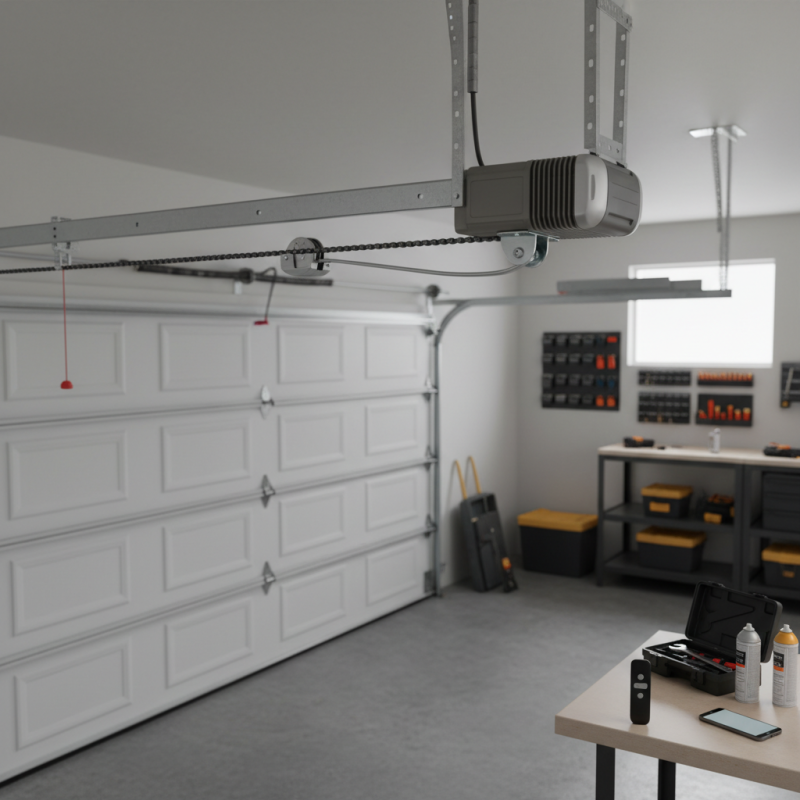
Understanding Overhead Door Openers: A Comprehensive Overview
Overhead door openers play a crucial role in modern garages. They provide convenience and security for homeowners. The market for these devices has grown significantly, with industry reports estimating a growth rate of around 5.2% annually. This trend indicates increasing reliance on automation in residential settings.
These openers use various technologies. Most operate with either a chain or belt drive system. The choice between these systems typically depends on factors like noise tolerance and maintenance. For example, while chain drives are often more robust, they can be noisier. Belt drives, though quieter, may require more frequent adjustments. Proper selection can make a noticeable difference in user experience.
However, not all systems are perfect. Many users face challenges related to installation and troubleshooting. A report from a leading industry analysis firm highlighted that nearly 30% of users encounter issues during installation. This statistic underscores the importance of clear instructions and professional support. Addressing these challenges can enhance user satisfaction and improve overall performance.
Types of Overhead Door Openers: Chain, Belt, and Screw Drive Systems
Overhead door openers come in various types. The three most common types are chain drive, belt drive, and screw drive systems. Each type has its unique features and benefits.
Chain drive systems are popular due to their durability. They use a metal chain to lift the door. This system can be a bit noisy, especially in older models. Many homeowners appreciate the straightforward design, but the sound can be a concern. Regular maintenance is key to ensuring smooth operation.
Belt drive systems, on the other hand, are much quieter. They use a belt made of rubber or composite material. This type is ideal for homes with bedrooms above or near the garage. However, they may require more specialized maintenance. Screw drive units use a threaded steel rod for operation. This type requires less maintenance but can be sensitive to temperature changes. Each system has pros and cons. Evaluating your needs is crucial before making a choice.
Types of Overhead Door Openers
Key Components of Overhead Door Openers and Their Functions
An overhead door opener is essential for convenience and security in modern garages. These devices use several key components to function effectively. The motor is the powerhouse, converting electrical energy into mechanical movement. Most openers have a belt, chain, or screw drive system that connects to the garage door. Reports show that about 70% of homes have automatic garage doors, indicating the importance of these systems.
The control panel allows users to open and close the door easily. It may include safety features like sensors to detect obstacles. In fact, nearly 25% of injuries linked to garage doors involve issues with such sensors. Remote controls and smartphone apps add convenience but can sometimes lead to confusion. Battery backups are also crucial; they ensure operation during power outages.
While these openers enhance daily life, they come with challenges. Regular maintenance is often overlooked. This can lead to malfunctions over time. Furthermore, not all homeowners understand the importance of safety features. Regularly checking components can prevent accidents. As technology advances, learning about these common issues becomes increasingly essential for safety and functionality.
How Overhead Door Openers Operate: Mechanics and Technology Explained
Overhead door openers are essential in modern homes and businesses. They provide convenience and security. Understanding how they operate requires a closer look at their mechanics and technology.
Typically, an overhead door opener consists of a motor, a rail system, and a set of sensors. The motor powers the system, while the rail tracks enable smooth movement of the door. Many units use chain or belt drives. According to industry reports, more than 80% of residential garages now feature automatic door openers.
Tips: Regular maintenance is crucial. Lubricate moving parts to prevent wear. Check sensors to ensure they function correctly.
The technology behind these openers continues to evolve. Some models integrate with smart home systems, offering remote access via mobile apps. However, this can lead to vulnerabilities. A recent survey indicated that 35% of users do not update their opener's software regularly. Awareness and proactive measures can enhance security.
Tips: Always change default codes. Ensure your opener uses encryption technology.
As future advancements emerge, it's essential to stay informed about both benefits and risks associated with new features. Users should regularly review their opener's settings. Adjusting to new technology can be overwhelming, but it's necessary for safety and efficiency.
What is an Overhead Door Opener and How Does it Work?
| Feature |
Description |
Mechanism Type |
Power Source |
| Safety Sensors |
Detects objects in the path of the door to prevent accidents. |
Electromechanical |
Electric |
| Remote Control |
Allows users to open/close the door from a distance. |
Wireless |
Battery-operated |
| Wall Control Panel |
A fixed control unit mounted on the wall for door operation. |
Wired |
Electric |
| Smartphone Integration |
Control the door using a mobile app. |
Wireless/IoT |
Electric |
| Mechanical Components |
Includes pulleys, cables, and springs for movement. |
Mechanically driven |
N/A |
Common Issues and Maintenance Tips for Overhead Door Openers
Overhead door openers play a vital role in modern garage functionality. However, they can face common issues that require regular maintenance. A report by the International Door Association reveals that nearly 30% of all garage door breakdowns stem from electrical malfunctions. This can lead to frustrating experiences for homeowners.
Regular maintenance can prevent these issues. Lubricating the moving parts reduces friction and wear. Cleaning the sensor eyes ensures they function effectively, as dirt can interfere with their operation. Many overlook these simple tasks, which may seem trivial, but they can save significant repair costs. Experts suggest scheduling maintenance every six months to ensure smooth operation, yet many homeowners neglect this advice.
Problems can still arise. A noisy opener may indicate wear in the motor or gears. Ignoring these sounds can lead to more extensive damage. Likewise, a door that closes too quickly may pose safety risks. It's crucial to monitor these signs closely. Finding a balance between enjoying convenience and ensuring safety can be tough, but it's necessary for long-term functionality.