How to Properly Maintain Your Garage Door for Longevity and Safety
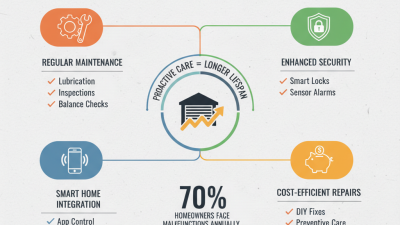
Regular garage door maintenance is critical for ensuring both the longevity and safety of one of the most utilized aspects of our homes. According to the International Door Association, a well-maintained garage door can last up to 30 years, while neglecting maintenance can significantly shorten its lifespan, potentially leading to costly repairs or replacements. With over 70 million garages in the United States alone, the stakes for proper upkeep are high, not only for financial reasons but also for the safety of your family and property.
Neglecting garage door maintenance can result in safety hazards, including malfunctioning mechanisms that may lead to accidents or injuries. The U.S. Consumer Product Safety Commission has reported thousands of injuries resulting from garage door-related incidents each year, emphasizing the importance of routine checks and repairs. Simple actions such as lubricating moving parts, checking for wear and tear, and ensuring proper alignment can greatly diminish these risks. As homeowners, understanding the significance of proactive garage door maintenance not only enhances the functionality and aesthetics of our homes but ultimately fosters a safer living environment for everyone.

Essential Tools and Supplies for Garage Door Maintenance
Maintaining a garage door is essential not only for enhancing its longevity but also for ensuring safety. To properly care for your garage door, you’ll need some essential tools and supplies. At a minimum, you should have a level, a wrench set, a multi-screwdriver, a hammer, pliers, and lubricants like silicone spray or lithium grease. Regular upkeep can prevent costly repairs; according to the International Door Association (IDA), proper maintenance can extend the life of your garage door by up to 30%.
In addition to basic tools, safety gear such as gloves and safety glasses is critical when performing maintenance tasks. One key maintenance tip is to check and tighten all the hardware and fasteners. Over time, these components can loosen due to frequent use. Conducting a visual inspection of the door's springs, cables, and tracks should become a monthly routine. If you notice any wear or damage, it is advisable to consult with a professional, as issues with these components can pose serious safety risks.
When lubricating moving parts, ensure you use the appropriate product for the material to avoid buildup that could impede function. Regular lubrication can significantly reduce friction and wear on components, leading to smoother operation and a quieter door. In fact, studies show that well-lubricated garage doors can operate up to 50% more efficiently. Implementing these simple yet effective maintenance practices can make a substantial difference in the functionality and safety of your garage door.
Routine Inspection: Key Areas to Check Regularly
Routine inspection is critical to maintaining your garage door's longevity and ensuring safety for both your property and family. According to the International Door Association, neglecting regular checks can lead to severe safety hazards, including accidents caused by malfunctioning doors. Homeowners are advised to inspect their garage doors at least once a month. Key areas to focus on include the door's balance, which should be checked by manually lifting the door halfway; if it doesn't stay in place, it may require adjustment. The springs, cables, and rollers, which are essential for the door's operation, should also be examined for wear and tear.
Another important aspect of routine inspection is the functionality of safety features. A report from the Consumer Product Safety Commission highlights that over 20,000 injuries are reported annually due to garage door accidents, often preventable by ensuring that safety sensors are operational. Homeowners should check the sensors for alignment and obstructions, testing the door's auto-reverse feature to confirm it functions properly. Additionally, lubrication of moving parts like hinges and tracks is essential for smooth operation, preventing friction that can cause premature wear. Regular inspections not only enhance the functionality of your garage door but significantly reduce the risk of accidents, leading to a safer home environment.
Cleaning and Lubrication Techniques for Optimal Performance
To ensure optimal performance and extend the lifespan of your garage door, regular cleaning and lubrication are essential. Begin by cleaning the exterior of the door and the tracks thoroughly. Use a mild detergent solution and a soft cloth to remove dirt, debris, and any accumulated grease. Pay special attention to the tracks and rollers, as dirt buildup can significantly hinder the door’s operation. After cleaning, ensure that all moving parts are dry before applying any lubricant.
Lubrication is a critical step in maintaining the garage door system. Utilize a silicone-based lubricant or a specialized garage door lubricant for the moving components such as hinges, rollers, and tracks. Apply the lubricant sparingly and wipe off any excess to prevent a buildup of grime. It’s important to lubricate the weatherstripping and rubber seals as well to keep them flexible and prevent them from cracking. Regular maintenance not only enhances the door's functionality but also contributes to consistent safety and security in your home.
Addressing Common Garage Door Issues Safely
Maintaining your garage door is crucial not only for its longevity but also for the safety of your home and loved ones. Regular inspections and prompt attention to common issues can prevent accidents and costly repairs. One frequent problem is worn-out rollers; if you notice your door is noisy or sluggish, it may be time to replace them. Additionally, check for any obstructions in the tracks that might hinder its movement. Keeping the tracks clean and free of debris can greatly enhance the door’s functionality.
Tips: Regularly lubricate the moving parts of your garage door, including hinges, rollers, and tracks, to ensure smooth operation. Use a silicone-based lubricant for best performance. Moreover, test the safety features of your garage door by placing a small object in the path of the closing door to ensure it reverses when hitting the object.
Another common issue is the alignment of the sensors. Misaligned sensors can lead to the door not closing properly, posing safety risks. To address this, ensure the sensors are level and unobstructed. Additionally, inspect the weather seals and cables for any signs of wear or damage, as these components are essential for keeping your garage door operational and safe.
When to Call a Professional for Garage Door Repairs
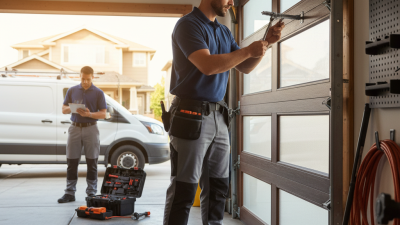
When it comes to garage door maintenance, understanding when to call a professional is crucial for ensuring both safety and longevity. The Garage Door Manufacturers Association (GDMA) recommends that homeowners invest in regular inspections and maintenance every six to twelve months. However, certain signs indicate that it is time to consult a professional instead of attempting repairs independently. For instance, if you notice your garage door making unusual noises, struggling to open or close, or showing signs of wear and tear such as rust or dents, these could be indicators of underlying issues. According to industry reports, approximately 30% of garage door repair calls stem from problems related to springs and cables, which can be hazardous if not handled correctly.
Additionally, if your garage door's safety features, such as the auto-reverse mechanism, are malfunctioning, it is imperative to seek professional assistance. The National Safety Council highlights that improperly functioning garage doors lead to thousands of injuries annually, particularly among children and pets. Counteracting these risks involves having trained technicians assess the door's components comprehensively. Moreover, with the average cost of garage door repairs ranging between $150 to $500, calling in a professional could save you from more costly damages in the long run due to improper handling or neglect. Therefore, while regular maintenance is essential, recognizing when to seek help ensures both the operational efficiency of your garage door and the safety of your household.