How to Install Overhead Doors Step by Step Guide?
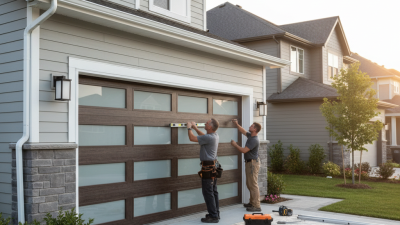
Overhead door installation can seem daunting, yet it is essential for modern homes and businesses. John Smith, a seasoned expert in the field, once said, “A properly installed overhead door is crucial for safety and efficiency.” When tackling an overhead door installation, precision is key. Each step requires attention to detail, from measuring the opening to securing the tracks.
Consider the impact of poor installation. It can lead to costly repairs. The overhead door may not operate smoothly, or worse, it may cause accidents. Therefore, it’s vital to follow a reliable guide. Each phase, like assembling sections and adjusting springs, demands careful execution.
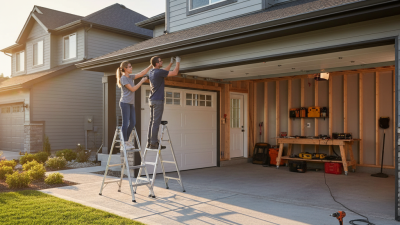
Don’t overlook safety precautions. Using the right tools can prevent injuries. Enlist the help of a friend to make the process manageable. As rewarding as it is to install an overhead door, reflect on the areas for improvement. Each installation is a learning experience. With practice, your confidence in overhead door installation will grow.
Choosing the Right Overhead Door: Types and Materials Explained
Choosing the right overhead door is crucial for functionality and aesthetics. Several types exist, including sectional, roller, and tilt-up doors. Sectional doors are popular for their space efficiency. They consist of panels that move upward in a track. This option suits garages with limited headroom.
Material choices also matter. Steel, wood, and fiberglass are common. Steel doors offer durability but can dent. Wood gives a classic look but requires more maintenance. fiberglass is lightweight and resistant to warping. According to industry reports, steel doors make up over 65% of the market share for their strength.
While selecting, consider insulation. Insulated doors help reduce energy bills. They keep spaces warm in winter and cool in summer. Many overlook this when making a choice. A poor insulation rating can lead to high costs. Always balance aesthetics with practicality. Your decision impacts daily use and long-term expense.
How to Install Overhead Doors Step by Step Guide
| Type of Overhead Door |
Material |
Insulation |
Maintenance |
| Sectional Door |
Steel |
Good |
Low, check springs |
| Roll-up Door |
Aluminum |
Moderate |
Moderate, lubricate tracks |
| Tilt-up Door |
Wood |
Fair |
High, requires sealing |
| Folding Door |
Fiberglass |
Excellent |
Low, light cleaning |
Essential Tools and Equipment for Installing Overhead Doors
Installing overhead doors requires essential tools and equipment. A recent industry report indicates that more than 70% of successful installations depend on using the right tools. Begin with a measuring tape. Accurate measurements can prevent costly mistakes. Without it, the door won't fit properly.
Next, you'll need a power drill. This tool is crucial for securing the door in place. Many users underestimate its importance. A quality drill ensures efficiency and precision. A hammer and a level are also vital. These tools help align the door correctly and secure it well.
Consider using safety equipment too. Gloves and goggles protect against injuries. The installation process can be risky without them. Many DIY enthusiasts neglect these items. It’s a mistake that can lead to serious accidents.
Additionally, maintaining your tools and checking for wear is essential. Old tools can compromise the installation. Always reflect on your setup. Assess what you may need to improve for the next project.
Step-by-Step Installation Process: Preparation and Measurements
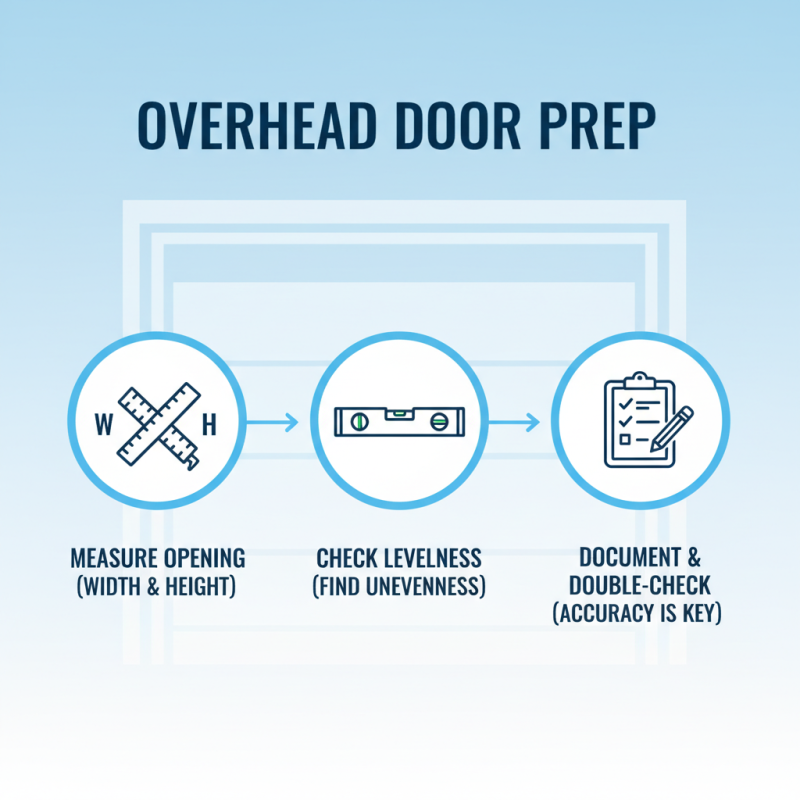
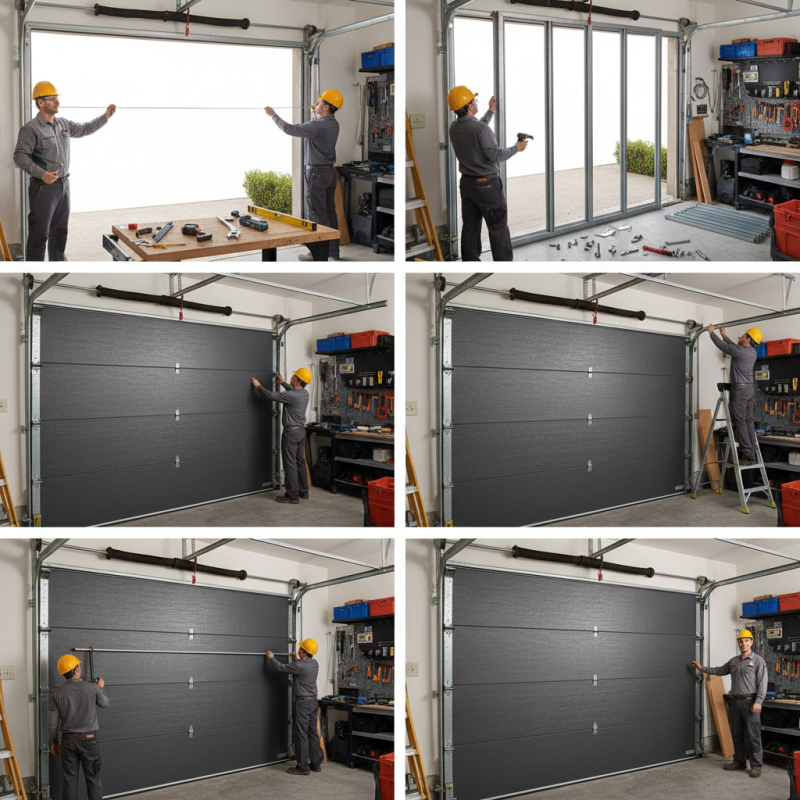
Preparing for the installation of overhead doors requires careful attention to detail. Start by measuring the width and height of the garage opening. Use a level to ensure evenness. This can often reveal inconsistencies in the structure. It’s crucial to document these measurements accurately. Double-checking can help avoid mistakes later on.
Next, gather all necessary tools and materials. Having everything ready will save time during installation. Ensure you have a sturdy ladder for reaching high areas. It's easy to forget items like screws or brackets, which can lead to interruptions. Mark locations for the tracks on the wall. Precision is key here. Even small errors can result in a misaligned door.
Take a moment to reflect on your workspace. Is there enough room to maneuver? Clear away any obstacles that could hinder the process. Sometimes, overlooking this step can complicate the installation. Ensure that you are in a well-lit area, as poor visibility can lead to mistakes. An organized workspace can provide clarity and enhance focus, making the installation process smoother.
Adjusting and Testing Overhead Doors: Ensuring Optimal Functionality
Adjusting and testing overhead doors is crucial for ensuring their optimal functionality. According to industry reports, about 30% of overhead door failures result from improper installation or lack of maintenance. This statistic highlights the importance of regular inspections and adjustments. A simple misalignment can lead to excessive wear. Pay attention to the door's tracks. They should be free of obstructions and well-lubricated to ensure smooth movement.
Testing the door’s balance is vital. A properly balanced door operates smoothly and prolongs its lifespan. To check balance, disconnect the opener and manually lift the door halfway. It should stay in place. If it closes or rises, adjustments are necessary. Also, checking safety features is important. According to safety standards, all overhead doors must reverse direction when encountering an obstacle. Inspect sensors regularly. They often malfunction if dirt accumulates or wires become frayed.
Regular maintenance can prevent costly repairs. A small investment in routine checks can save money in the long run. Adjusting tension springs and ensuring hardware is tight will reduce the risk of future issues. Neglecting these adjustments may lead to more significant problems. It’s something to reflect on. After all, a few minutes spent on upkeep can enhance safety and efficiency significantly.
Adjusting and Testing Overhead Doors: Ensuring Optimal Functionality
Maintenance Tips for Overhead Doors: Extending Lifespan and Performance
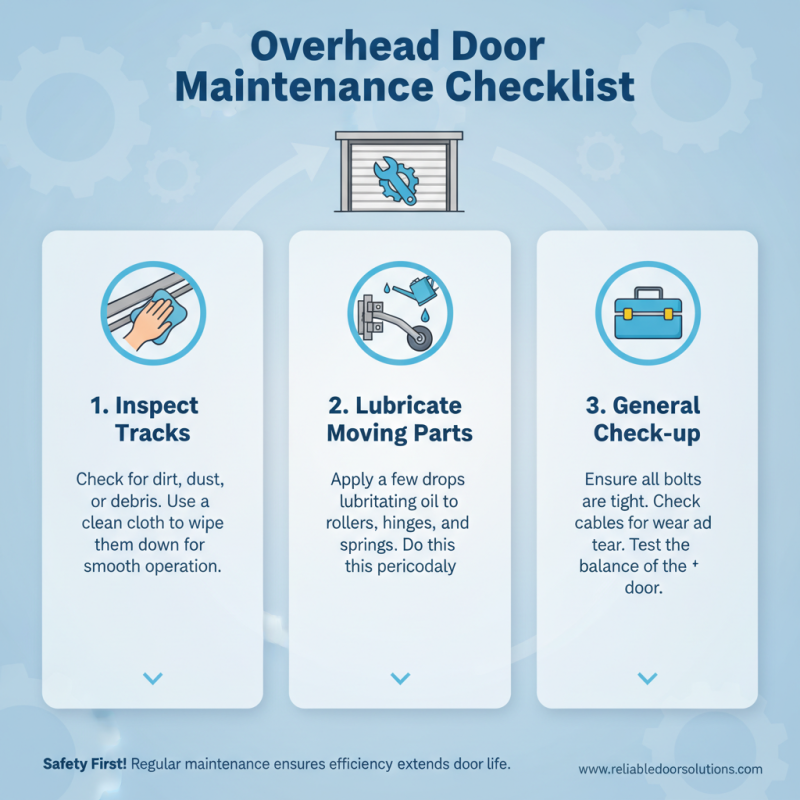
Keeping overhead doors in good working condition is essential for safety and efficiency. Regular maintenance is key to achieving this. Start by inspecting the tracks for dirt and debris. Clean them with a simple cloth to ensure smooth operation. Lubricate the rollers and hinges periodically. A few drops of oil can go a long way.
Check the door balance too. An unbalanced door can cause unnecessary strain on the opener. Test the door by disconnecting the opener and lifting it halfway. If it stays in place, it’s balanced. If not, adjustments are needed. Also, examine the weatherstripping for wear and tear. Replace any damaged strips to maintain energy efficiency.
Lastly, consider the age of your door. If it’s old, parts may wear out more frequently. Look for signs of rust or decay. Repainting or resealing can protect it from the elements. Reflect on these maintenance issues regularly. A little effort can extend the life of your overhead door significantly.