Top 10 Garage Door Maintenance Tips You Should Know?
Garage doors are essential for home security and convenience. According to a report by the International Door Association, nearly 70% of American households rely on automatic garage doors. Regular garage door maintenance is crucial to ensure their longevity and functionality. Ignoring this can lead to costly repairs, which might exceed $300 on average.
Many homeowners overlook basic maintenance tasks. Simple checks, like inspecting the door’s balance or lubricating the moving parts, can prevent big issues. A study from HomeAdvisor shows that 80% of garage door failures stem from lack of regular upkeep. Unfortunately, many people wait until problems arise before taking action.
Proper garage door maintenance not only enhances safety but also improves energy efficiency. Homeowners should not underestimate these tasks. It’s often easy to forget these simple yet vital steps to prolong your garage door's life. Being proactive can save time and prevent headaches down the road.
Understanding Your Garage Door System for Better Maintenance
Understanding your garage door system is essential for effective maintenance. Many homeowners overlook the complexity of these systems. A garage door consists of various components, including springs, cables, and tracks. When you understand how each part works, you can identify potential issues early. According to the International Door Association, nearly 25% of garage doors fail within their first few years due to improper installation or lack of care.
Regularly inspecting your door can save you from costly repairs. Check your springs for signs of wear. A worn spring can break suddenly, causing your door to close unexpectedly. It’s advisable to test the balance of your garage door every few months. To do this, disconnect the opener and manually lift the door halfway. If it doesn't stay in place, your springs may need adjustment.
Another helpful tip is to keep the tracks clean. Dirt and grime can hinder the smooth operation of your door. Use a damp cloth to wipe them down. Every six months, consider lubricating rollers and hinges to prevent rust and reduce noise. Remember, neglecting these small tasks may lead to bigger issues down the line. Investing time in maintenance can prolong the life of your garage door.
Regular Inspection: Key Areas to Check for Wear and Tear
Regular inspection is crucial for maintaining a garage door's functionality. A recent survey highlights that 70% of homeowners neglect regular checks, which can lead to severe issues. Focus on areas like the springs, cables, and rollers. These components endure significant stress. Their wear can compromise the entire system’s efficiency.
Inspecting springs is vital. A worn spring may not just hinder operation; it poses safety risks. The National Association of Home Builders reports that springs can last between 7 to 14 years, depending on usage. Cables should also be examined closely. Fraying or rust can lead to dangerous failures. If you notice any signs, it's essential to consider immediate repair or replacement.
Rollers play a key role in smooth operation. Dirty or damaged rollers can cause misalignment. According to industry experts, neglecting roller maintenance can shorten the garage door’s lifespan significantly. Regularly clean them and check for any cracks or wear. Remember, ignoring these areas can lead to costly repairs down the line. Regular inspection is not just about maintaining aesthetics; it’s about ensuring safety and functionality.
Top 10 Garage Door Maintenance Tips You Should Know
| Tip No. |
Maintenance Tip |
Frequency |
Key Areas to Inspect |
| 1 |
Inspect and Lubricate the Rollers |
Every 6 months |
Rollers, Tracks |
| 2 |
Check the Door Balance |
Yearly |
Springs, Cables |
| 3 |
Test the Safety Features |
Monthly |
Safety Sensors |
| 4 |
Examine Weatherstripping |
Twice a year |
Bottom Seal |
| 5 |
Clean the Garage Door |
Quarterly |
Door Surface |
| 6 |
Inspect the Hinge and Brackets |
Yearly |
Hinges, Brackets |
| 7 |
Check the Garage Door Opener |
Every 3 months |
Motor, Remote |
| 8 |
Inspect Any Visible Cables |
Every 6 months |
Cables, Pulleys |
| 9 |
Adjust the Limit Settings |
Annual |
Limit Switch |
| 10 |
Schedule Professional Maintenance |
Every 2 years |
Overall System |
Lubrication Techniques for Smooth Garage Door Operation
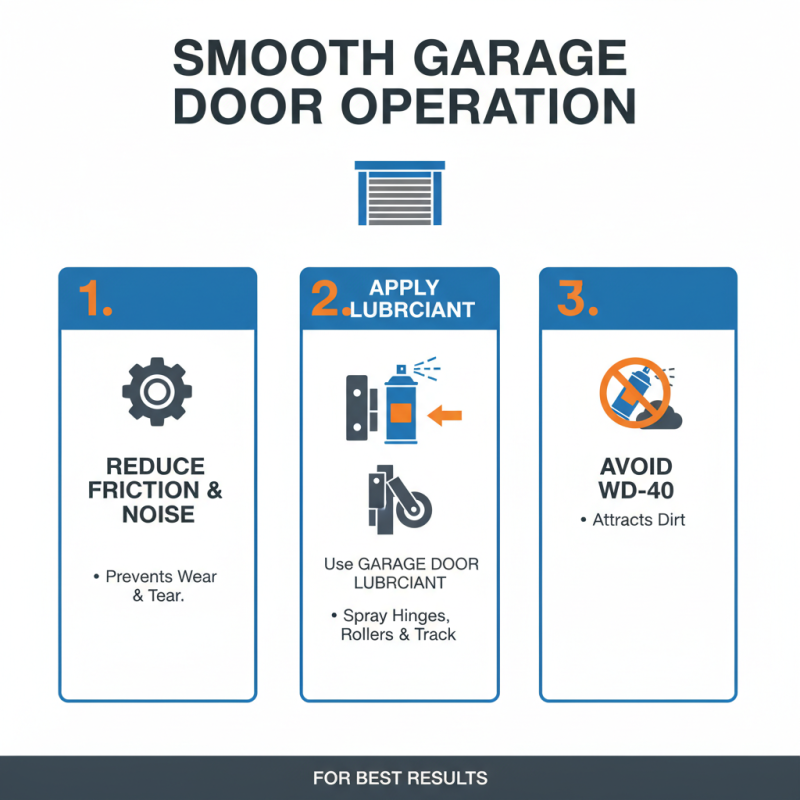
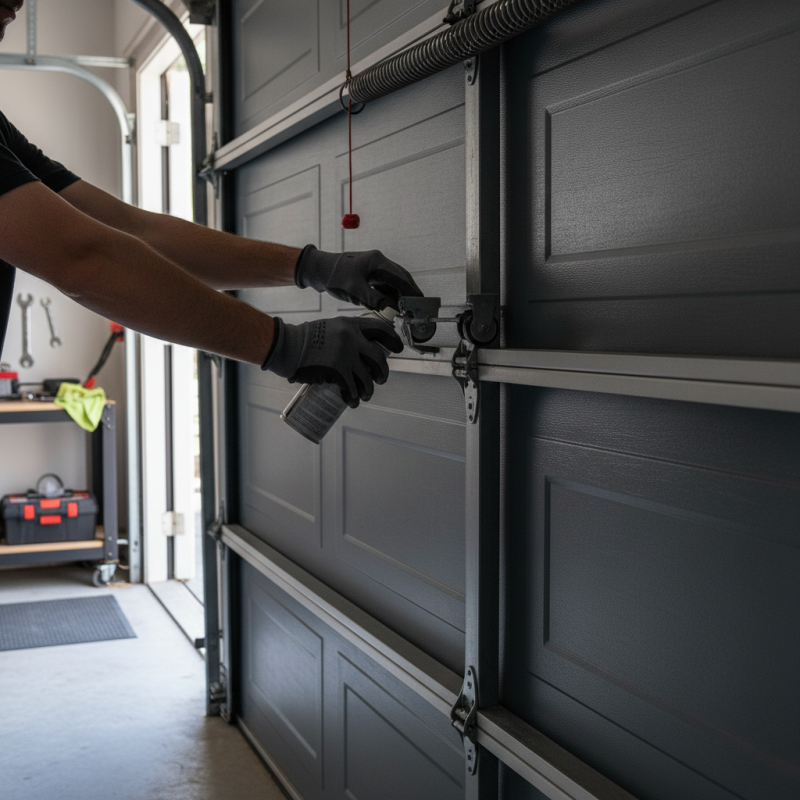
Lubrication techniques are vital for smooth garage door operation. Proper lubrication reduces friction and noise. It also prevents wear and tear on moving parts. Start by using garage door lubricant. Spray it on hinges, rollers, and the track. Avoid using WD-40, as it can attract dirt.
Consider the frequency of lubrication. Most experts recommend every six months. However, inspect your door regularly for any signs of wear. If you notice squeaking or sticking, it’s time to apply more lubricant. A clean work surface can make a difference. Wipe off old grease before applying new lubricant.
After applying, test the door’s operation. It should move smoothly without hesitation. Reassess your techniques if it doesn’t. Sometimes, a small adjustment can lead to better results. Pay attention to areas that need more attention. It’s a simple step, yet crucial for longevity.
Testing and Replacing Safety Features of Garage Doors
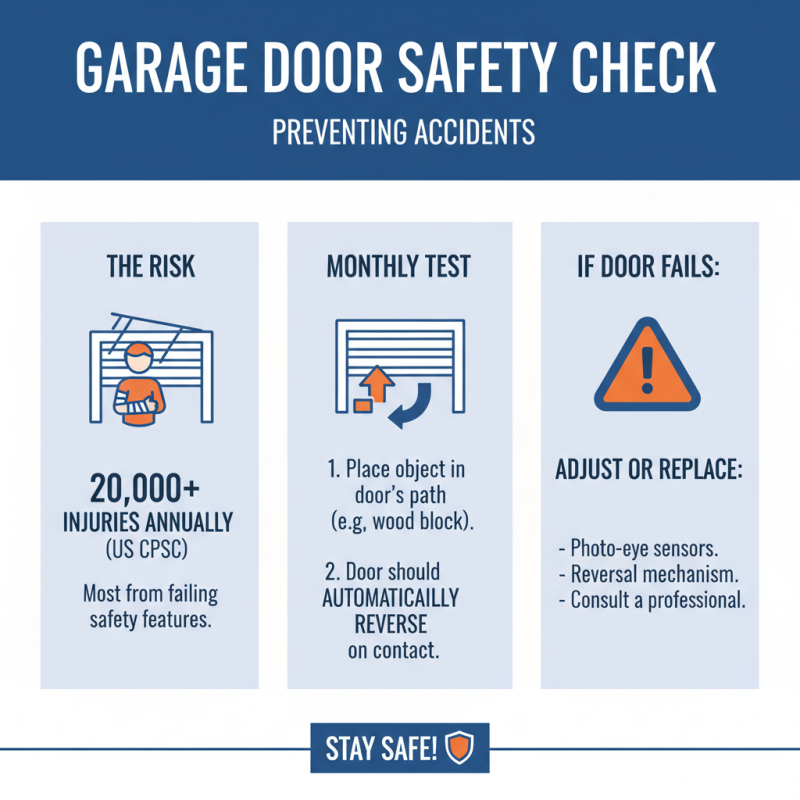
Ensuring the safety features of your garage door is crucial. Over 20,000 injuries occur annually from garage door accidents, as reported by the U.S. Consumer Product Safety Commission. Regular testing can help prevent these incidents. You should check the reverse mechanism every month. Simply place a small object in the door’s path. If it doesn’t reverse upon contact, it needs to be adjusted.
Another key safety feature is the emergency release mechanism. Familiarize yourself with it. In case of a power outage, it allows manual operation. Over time, dust and grime can affect its performance. Clean and lubricate these areas regularly to ensure smooth function. A survey by the Door & Access Systems Manufacturers Association revealed that over 50% of garage doors lack appropriate safety features. Taking steps now can protect your family from future hazards.
Moreover, inspect the photo-eye sensors, which prevent the door from closing on objects. Misalignment or obstructions can lead to malfunction. Align the sensors correctly and clear any debris. Keeping up with these safety checks can seem tedious, but neglect leads to potential danger. Small efforts on your part can make a significant difference in safety.
Seasonal Maintenance Tips to Extend Garage Door Lifespan
Seasonal maintenance is essential for extending your garage door's lifespan. Inspecting your door regularly can prevent expensive repairs. For winter, check for any frozen components. Cold temperatures may cause the door to stick. Lubricate moving parts using suitable materials. This helps to avoid unnecessary wear and tear.
During spring, clean the tracks thoroughly. Dirt and debris can obstruct the smooth operation. A soft cloth and mild cleanser work well. Check the weather stripping too. It may have worn out over winter. Replacing it can keep out moisture and pests, ensuring proper insulation.
In summer, examine your garage door’s sensors. They might get misaligned due to heat. Count on a level surface for proper alignment. During fall, it's time to inspect the door's hardware. Look for loose screws and tighten them. Not doing this can lead to bigger issues later. Regular attention to these details makes a world of difference.
Top 10 Garage Door Maintenance Tips