2026 Best Garage Door Experts for Global Sourcing?

In 2026, global garage door sourcing demands more than attractive catalog images. It requires verified manufacturing experience, documented testing, and dependable after-sales support. The global garage door market is expanding at a mid-single-digit compound annual growth rate, according to recent forecasts from Fortune Business Insights and Grand View Research. That growth reflects demand for insulated doors, smart openers, stronger security, and energy-conscious building products.

Small details matter. A factory visit may reveal uneven panel joints, weak spring anchors, or unfinished steel edges. These defects can become costly warranty claims after containers arrive. Garage door experts should therefore assess material grades, cycle-life testing, wind-load performance, corrosion protection, packaging, and replacement-part availability. They should also compare certifications with the destination market’s building and electrical requirements. ANSI/DASMA standards provide useful technical references, while ENERGY STAR guidance highlights the importance of insulation and air-sealing in relevant residential applications.

Procurement data should support every major decision. World Bank logistics indicators, port performance reports, and supplier audit records can help evaluate delivery risk. Still, reports do not replace practical judgment. A supplier may show impressive machinery but lack consistent quality control. That is easy to miss.

The strongest 2026 sourcing strategy combines factory evidence, independent inspection, transparent quotations, and realistic lead-time planning. Buyers should request production samples, test reports, packing photographs, and clear warranty terms before approving volume orders. Price matters. Reliability matters more. This guide examines how to identify garage door experts who can deliver safe, compliant, and commercially workable solutions across international markets.

2026 Best Garage Door Experts for Global Sourcing?

What Defines a Garage Door Expert in 2026

What Defines a Garage Door Expert in 2026

A garage door expert does more than replace a broken spring. They inspect the full system, including tracks, rollers, cables, seals, sensors, and opener settings. A skilled technician listens to the door before touching it. Grinding, shaking, or uneven movement often reveals hidden wear. Small details matter.

Experience should appear in practical decisions. An expert checks the door’s weight, opening cycle, climate exposure, and installation history. They explain why a component failed, not just what it costs. For global sourcing, they can review material grades, safety documentation, test reports, packaging, and replacement-part availability. Clear records build trust. Vague promises do not.

Reliability also requires restraint. A responsible professional will not recommend a stronger motor when the tracks are misaligned. They will discuss maintenance intervals and realistic service life. Mistakes still happen. A measurement can be missed, or a noise can be misread. The important question is how the expert corrects the problem, documents it, and improves the process. That honesty is valuable.

A dependable expert communicates clearly across time zones and technical backgrounds. They confirm dimensions, electrical requirements, delivery conditions, and local installation limits. They also respect safety boundaries. No shortcut is worth a damaged panel or an unsafe closing mechanism. In 2026, expertise means tested knowledge, careful judgment, and evidence that survives real-world use.

How to Identify Reliable Global Garage Door Suppliers

How to Identify Reliable Global Garage Door Suppliers

Global sourcing is not a catalog exercise. A reliable supplier should show factory evidence, not polished promises. Request production videos, material certificates, inspection records, and recent export references. Verify steel thickness, panel insulation, spring-cycle ratings, motor compatibility, and packaging strength. These details expose hidden cost risks.

The World Bank’s 2023 Logistics Performance Index covered 139 economies and assessed six supply-chain dimensions. Compare customs, infrastructure, shipment tracking, and delivery reliability before selecting a supplier. UNCTAD’s 2023 Review of Maritime Transport states that over 80% of global trade by volume moves by sea. Therefore, ask for container-loading photos, moisture protection, and clear Incoterms. A low quotation can become expensive after damage, delays, or missing spare parts.

Tips: Start with a small sample order. Test opening cycles, noise, sealing, and remote controls in real conditions. Ask for a corrective-action report when defects appear. Check whether the supplier follows ISO 9001-style quality procedures and meets the standards required in your destination market. Do not rely on certificates alone. Some documents may be genuine but outdated. I have seen buyers overlook after-sales response times, then struggle with a single replacement spring. Set written targets for response time, warranty handling, inspection approval, and packing tolerance. Allow independent pre-shipment inspection. It costs less than guessing.

Which Products, Materials, and Technologies Should Buyers Compare

For global garage door sourcing in 2026, buyers should compare complete systems, not attractive product photos. A sectional door, rolling door, or side-hinged model serves different buildings and climates. Check opening size, daily cycle frequency, panel thickness, spring design, and replacement-part availability. A cheap quote can become expensive after installation.

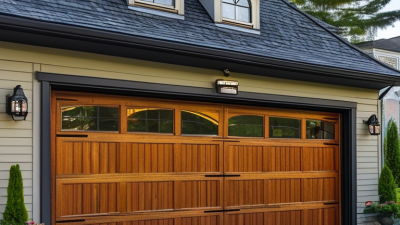
Material choice needs practical testing. Galvanized steel offers strength and consistent production, while aluminum reduces weight and resists some coastal corrosion. Wood provides a warm appearance but requires more maintenance. Composite panels can balance appearance and stability, yet quality varies between suppliers. Ask for coating details, salt-spray results, moisture resistance, and sample corners. Small samples reveal more than polished catalogs.

Technology should support safety and measurable performance. Compare insulation values, thermal breaks, wind-load data, emergency release systems, and obstruction detection. Smart controls may help with access records, but they need secure updates and dependable manual operation. Request test reports, factory inspection records, installation instructions, and warranty terms in clear language. Local building requirements still matter.

Do not overlook logistics. Confirm packaging strength, container loading plans, spare cables, rollers, seals, and lead times. A supplier may offer impressive automation but weak after-sales support. That is a real risk. Buyers should inspect one installed door, test its noise and balance, and question every unclear specification. My own comparison process would still leave room for revision, because climate, labor quality, and building use can change the final decision.

How to Evaluate Quality, Safety, Pricing, and Compliance

2026 Best Garage Door Experts for Global Sourcing?

Quality begins with evidence, not polished samples. Check steel thickness, panel density, seal compression, spring-cycle testing, and coating adhesion. The International Energy Agency reports that buildings consume about 30% of global final energy. Therefore, inspect thermal performance, not only appearance. Request measured U-values, air-leakage results, and test conditions. A low price can hide weak insulation or short-lived hardware.

Safety and compliance require separate verification.

DASMA technical guidance emphasizes entrapment protection, force limits, and documented opener testing. For powered systems, check applicable requirements such as UL 325 or EN 13241. Ask for serial-level test records, installation instructions, and traceable component lists. ISO 9001 certification helps, but it does not prove product safety. That distinction is often missed. Review factory audits, corrective-action records, and random pre-shipment inspections. I would not trust a certificate without checking its issuing body.

Tips: Compare landed cost, not unit price. Include tooling, packaging, freight, duties, spare parts, inspection fees, and warranty handling. The World Bank’s Commodity Markets Outlook shows continued volatility across industrial raw materials, so request price-adjustment rules. Test one complete door under repeated opening cycles. Measure noise, closing force, seal contact, and emergency release operation. Document every defect, even small paint bubbles. They may reveal rushed preparation. A supplier that welcomes uncomfortable questions is usually easier to manage, although this is not proof by itself.

How to Manage Orders, Shipping, Installation, and After-Sales Support

2026 Best Garage Door Experts for Global Sourcing?

Global garage door sourcing starts with a controlled order, not a rushed quotation. I ask suppliers for drawings, panel thickness, spring cycles, motor voltage, finish, and packed dimensions. These details prevent costly surprises. A shared purchase sheet records quantities, tolerances, spare parts, and inspection dates. It also names one decision-maker on each side.

Shipping needs equal attention. I compare delivery terms, container loading plans, insurance, and destination handling charges. Photos should show corner protection and moisture barriers before the container leaves. One damaged panel can delay an installation team for days. I learned this after trusting a packing list without checking actual pallet measurements. That mistake was avoidable.

Installation should follow a site checklist. Confirm opening size, ceiling clearance, power supply, anchoring surfaces, and local safety requirements. A trained technician should test balance, travel limits, sensors, emergency release, and repeated cycles. Keep a video record. After-sales support must include manuals, fault codes, replacement parts, and a named response contact. Set response times in writing, but allow for time zones and customs delays. My process is still improving; remote troubleshooting cannot replace a qualified local inspection.