2026 Best Overhead Garage Door Options for Global Buyers?
In the evolving landscape of home improvement, the overhead garage door industry is making significant strides. Experts like John Miller, a recognized authority in garage door technology, emphasize the importance of choosing the right door. He once stated, “A quality overhead garage door not only enhances security but also adds value to your home.”
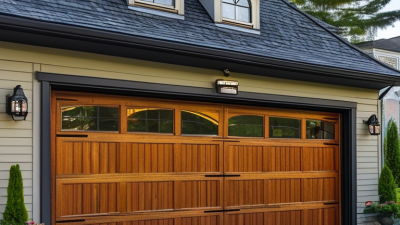
With 2026 on the horizon, global buyers are faced with a myriad of options. Choosing the best overhead garage door can be daunting. Factors like material, insulation, and design must be considered. For example, wooden doors offer a classic look but require more maintenance than steel counterparts.
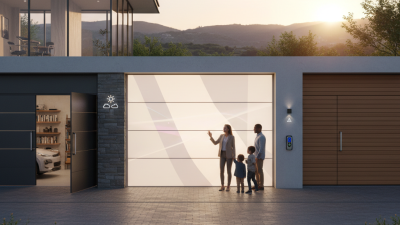
Moreover, trends indicate a growing preference for smart garage doors. These innovations provide convenience but may pose challenges in reliability. As homeowners seek the ideal solution, assessing their specific needs is essential. Each choice has its pros and cons, revealing that the perfect door may not exist.
Overview of Overhead Garage Doors: Features and Benefits
Overhead garage doors offer convenience and security for homeowners worldwide. These doors come in various materials, including steel, wood, and fiberglass. Each type has its unique features and benefits. Steel doors provide durability and are often insulated, which enhances energy efficiency. Wooden doors offer aesthetic appeal and can be customized with a variety of finishes. Fiberglass doors are lightweight and resistant to dents and rust.
Safety features are paramount with overhead garage doors. Many include automatic reversing systems that prevent accidents. Some models are equipped with smart technology. This allows for remote operation and monitoring. While these features are beneficial, they can also introduce vulnerabilities if not properly secured. Buyers should evaluate the reliability of these systems.
Maintenance is another crucial aspect. Regular inspections can identify issues early. However, some homeowners may overlook this necessity. A door that appears functional might have hidden problems. A proactive approach can save on costly repairs. Choosing the right overhead garage door involves balancing convenience, security, and maintenance. Taking time to assess options will lead to a more informed decision.
Types of Overhead Garage Doors: Materials and Styles
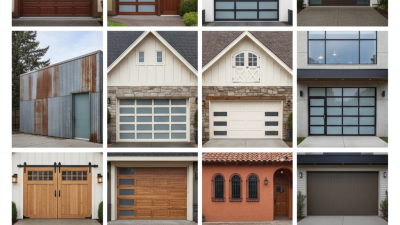
When choosing overhead garage doors, material and style play crucial roles. Steel, wood, and aluminum are the most common materials. According to the Door and Access Systems Manufacturers Association (DASMA), steel doors are durable and offer excellent security. They come in various finishes and colors. However, they can dent easily.
On the other hand, wooden doors provide a classic aesthetic but require more maintenance. A 2022 report from the Home Improvement Research Institute revealed that wood options have declined in popularity, primarily due to higher costs and maintenance concerns. Aluminum doors are lightweight and resist rust. Yet, they may not provide the same insulation as other materials.
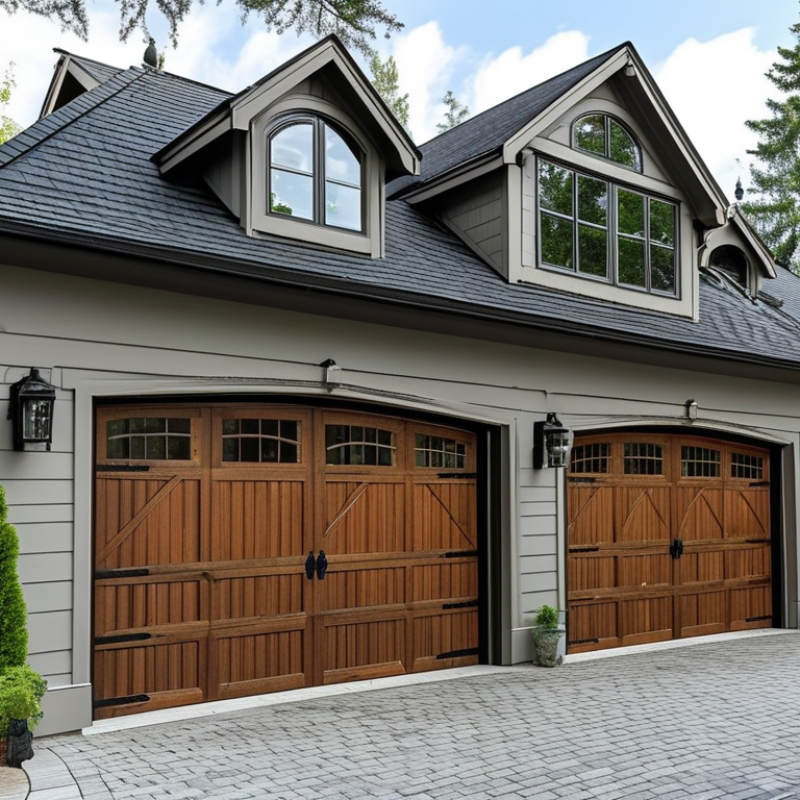
Styles also vary significantly, from traditional raised panel to modern carriage house designs. An International Door Association survey noted that 50% of homebuyers consider style a top priority. It's not always easy to choose the right option. Buyers often feel overwhelmed by the variety and must weigh aesthetics against functionality. Understanding the trade-offs is key. Ultimately, making an informed decision can lead to long-term satisfaction.
Key Factors to Consider When Selecting a Garage Door
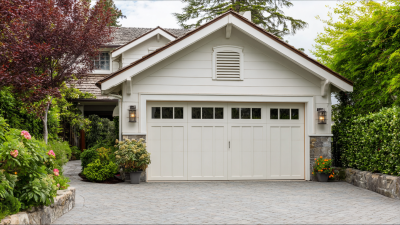
Selecting the right overhead garage door is crucial for homeowners. Many factors come into play. According to the International Door Association, a garage door can account for 25% of a home's façade. This emphasizes the importance of aesthetics along with functionality.
Material choice is a key consideration. Steel doors are durable and often more secure. Wood doors provide a classic look but require more maintenance. A 2022 report from HomeAdvisor revealed that wood doors can cost up to 30% more in maintenance over ten years than steel options. Buyers should assess their local climate as well. For example, areas with heavy snowfall may benefit from insulated doors to enhance energy efficiency.
Security features should not be overlooked. Many modern doors come with smart options, such as smartphone controls and cameras. The National Association of Home Builders reports that homes equipped with secure garage doors see a 15% reduction in burglary rates. Exploring a range of features is vital. Some buyers might overlook their insulation ratings, which directly impact energy costs. Overall, careful research can lead to better long-term satisfaction.
2026 Best Overhead Garage Door Options for Global Buyers
| Type |
Material |
Insulation Rating (R-value) |
Price Range (USD) |
Durability (Years) |
| Sectional |
Steel |
12 |
800 - 3,000 |
20 |
| Rolling |
Aluminum |
8 |
1,500 - 4,500 |
15 |
| Tilt-Up |
Wood |
5 |
600 - 2,500 |
10 |
| Side-Hinged |
Fiberglass |
6 |
700 - 3,200 |
15 |
| Carriage House |
Wood Composite |
7 |
1,000 - 4,000 |
12 |
Top Brands and Models for 2026: A Comparative Review
Choosing the right overhead garage door in 2026 requires careful consideration. The market is flooded with numerous options, each boasting unique features. According to a recent industry report, about 75% of homeowners prioritize durability and security in their purchase decisions. This reflects a growing awareness of potential safety concerns and maintenance costs.
In this comparative review, models with insulated panels stand out. They improve energy efficiency, reducing heating and cooling costs by up to 20%. Many brands provide options that offer a range of R-values, showing how thermal performance varies. A notable point is that aesthetics also play a crucial role. More than 60% of buyers select doors based on design compatibility with their homes.
However, purchasing decisions can be challenging. Installation complexity often leads to unexpected costs. One study indicated that up to 40% of consumers face difficulties during the setup process. Therefore, it's essential to evaluate both the product and the installation options provided. Some consumers express dissatisfaction with customer support post-purchase, highlighting the importance of reliable service.
Maintenance Tips for Ensuring Longevity of Garage Doors
Regular maintenance is crucial for ensuring the longevity of your garage door. Statistics reveal that a well-maintained garage door can last over 30 years, while neglect can reduce this lifespan significantly. Simple tasks, such as lubricating moving parts every six months, can make a notable difference. Proper lubrication decreases friction and wear, preventing unnecessary breakdowns.
Inspecting the weather stripping is also key. A study conducted by the Door & Access Systems Manufacturers Association International highlighted that 20% of energy loss in homes occurs through gaps in the garage door. Replacing worn weather stripping not only improves energy efficiency but also protects against moisture and pests. Regular checks can help you avoid more costly repairs down the line.
It’s essential to keep an eye on the door’s balance. An unbalanced garage door can cause strain on the motor and lead to premature failure. Balancing the door requires some technical know-how. Consulting an expert may be necessary if you notice the door is misaligned. Ultimately, focused maintenance efforts can extend the lifespan of your garage door. The right attention can save you from significant repair expenses later.
2026 Best Overhead Garage Door Options
In 2026, various garage door materials are ranked based on their popularity among global buyers. Steel ranks as the most favored material due to its durability and security, while vinyl is least favored. This chart illustrates the popularity ratings of different overhead garage door options.