Why Choose a Floor Waterfall Fountain for Your Space?
A Floor Waterfall Fountain can transform any space into a serene oasis. The soothing sound of flowing water brings tranquility and relaxation. Unlike standard décor, a floor waterfall fountain adds a dynamic element to your environment. It captivates attention and invites visitors to pause and appreciate.
Incorporating such a feature requires careful consideration. Where will it fit best? How will it blend with existing decor? These are essential questions. A well-placed fountain creates a stunning focal point. It can enhance mood and well-being through the gentle sounds and sights of water. Yet, it demands maintenance, presenting challenges that many overlook.
Choosing a Floor Waterfall Fountain is a commitment to enhancing your space. It brings beauty and peace but also asks for ongoing care. Reflecting on these aspects is vital. In the end, the fountain's impact can be profound if approached with intention and thoughtfulness.
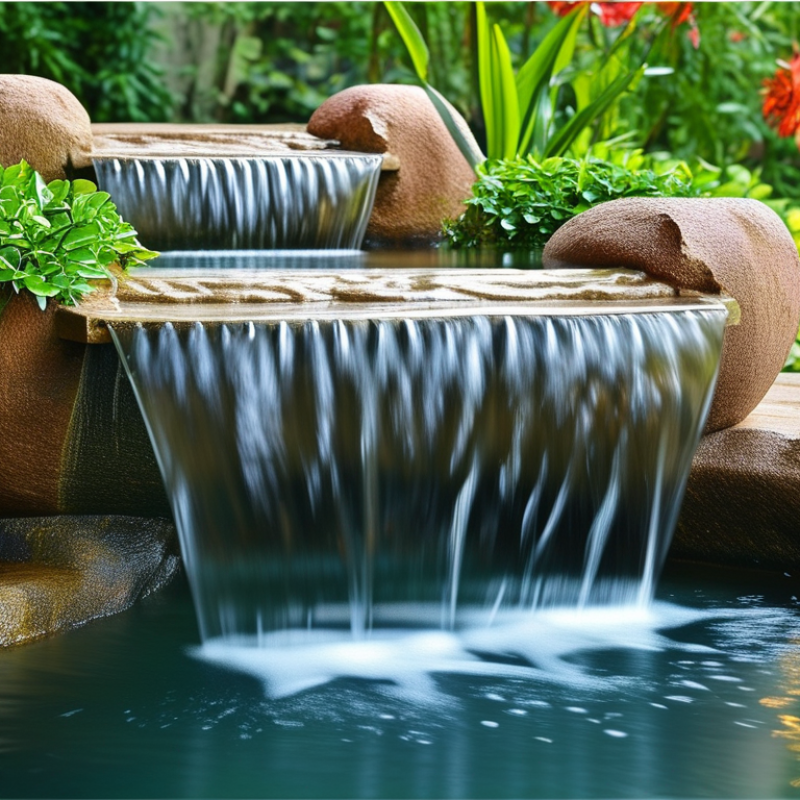
Benefits of Incorporating a Floor Waterfall Fountain in Your Space
A floor waterfall fountain can transform any space into a serene oasis. The gentle sound of flowing water creates a tranquil environment, making it perfect for relaxation or meditation. The aesthetic appeal of a waterfall fountain adds a touch of elegance, attracting attention and admiration from guests. Its flowing water not only pleases the eye but also helps mask distracting noises, allowing for peace of mind in busy settings.
Tips: Position your waterfall fountain in a place where it can be easily seen and heard. A corner of a room or near a seating area can enhance the ambiance. Additionally, consider the lighting. Illumination can highlight the water's movement and create a captivating atmosphere.
Adding a floor waterfall fountain brings numerous benefits. It can improve air quality, adding humidity to dry environments. This is particularly beneficial in winter months when indoor air can feel stagnant. However, maintenance is important; regular cleaning is key to avoiding buildup. Water quality must be checked to ensure the fountain remains a healthy feature in your home or office. Noticing what works in your space and what doesn’t is crucial.
Different Styles and Designs of Floor Waterfall Fountains
When considering a floor waterfall fountain, its style plays a crucial role in enhancing your space. Different designs cater to various tastes and aesthetics. For instance, a modern stainless steel fountain adds a sleek touch to contemporary settings. Its clean lines and reflective surfaces can elevate a minimalist decor. In contrast, rustic stone fountains bring warmth and charm, perfect for cozy environments.
Another noteworthy option is the ceramic waterfall fountain. These come in various colors and patterns. They can serve as striking centerpieces, drawing attention while also lending a sense of tranquility. While selecting a style, think about how it harmonizes with your existing decor. Not every fountain fits seamlessly into every room.
Personal preference often complicates the selection process. You might love a bold design but find that it clashes with your decor. The challenge then lies in balancing aesthetics with functionality. A floor fountain should not only be beautiful but also create a soothing ambiance. Reflecting on your choices will lead to a more fulfilling experience in your space.
Why Choose a Floor Waterfall Fountain for Your Space? - Different Styles and Designs of Floor Waterfall Fountains
| Style | Material | Height (ft) | Features | Price Range ($) |
| Modern | Stainless Steel | 6 | LED lighting, Adjustable water flow | 800 - 1200 |
| Zen | Natural Stone | 5 | Integrated plant holder | 600 - 900 |
| Traditional | Ceramic | 4 | Hand-painted design | 300 - 600 |
| Contemporary | Glass | 7 | Mirror finish, Waterfall effect | 1000 - 1500 |
| Rustic | Wood and Stone | 8 | Natural look with pebbles | 700 - 1100 |
How Floor Waterfall Fountains Enhance Interior Aesthetics
A floor waterfall fountain can dramatically elevate the aesthetic appeal of any space. The soothing sound of flowing water creates a serene environment, ideal for relaxation and contemplation. According to a study by the National Association of Home Builders, water features can enhance property value by up to 15%. This statistic emphasizes the potential return on investment when adding such elements to interiors.
Integrating a floor waterfall fountain into your décor introduces elegance and tranquility. The gentle cascades of water not only serve as captivating visual art but also improve indoor air quality by adding moisture. The American Society of Interior Designers notes that incorporating natural elements can reduce stress by up to 60%. With a design that allows for various materials like glass, stone, or metal, these fountains can complement different styles, from modern to traditional.
However, upkeep and location require careful consideration. Maintaining water quality is essential to prevent algae growth, which can detract from beauty. Additionally, placement should ensure it remains a focal point without overwhelming the surrounding space. Thoughtful integration of a waterfall fountain fosters harmony, balancing aesthetics with functionality.
Why Choose a Floor Waterfall Fountain for Your Space?
Floor waterfall fountains not only enhance aesthetic appeal but also provide a calming atmosphere in your interior spaces. The following chart illustrates the benefits of installing a floor waterfall fountain and their impact on overall interior aesthetics and ambiance.
The Impact of Floor Waterfall Fountains on Indoor Air Quality
Indoor air quality is a growing concern for many homeowners and businesses. One effective solution is the use of floor waterfall fountains. These installations not only enhance aesthetic value but also provide crucial air quality benefits. According to the American Society of Heating, Refrigerating and Air-Conditioning Engineers (ASHRAE), indoor air can be up to five times more polluted than outdoor air. This pollution can come from VOCs, dust, and other particulates.
Waterfall fountains filter the air naturally. The moving water captures dust and allergens, allowing cleaner air to circulate. A study from the Environmental Protection Agency (EPA) suggests that water features can reduce airborne contaminants by up to 30%. The gentle sound of flowing water can also reduce stress, further contributing to an improved environment.
Tips:
Position your fountain near high-traffic areas. This optimizes air filtration in spaces where dust tends to accumulate. Regularly clean and maintain the fountain to ensure it continues to function effectively. Consider adding plants around the fountain; they can further purify the air, creating a vibrant, healthy space.
Maintaining and Caring for Your Floor Waterfall Fountain
When you decide to add a floor waterfall fountain to your space, understanding how to maintain it is essential. Regular care will enhance its beauty and functionality. Cleaning the fountain weekly is a great starting point. Use a soft cloth to wipe surfaces and remove any algae or debris. This simple action prevents buildup that could affect water flow.
Water quality plays a crucial role in fountain maintenance. Replace the water every two weeks to inhibit bacteria growth. Consider using distilled water to reduce mineral buildup. It's also wise to check the pump regularly. A clogged or malfunctioning pump can disrupt the serene flow of water you desire.
Pay attention to seasonal changes, too. If you live in an area with extreme weather, protect your fountain during cold months. Moving the fountain indoors or using frost protection can be necessary. Reflecting on these maintenance tips will help ensure your fountain remains a stunning centerpiece for your space. Regular reflections on its needs will foster a deeper appreciation for the calming presence it brings.