How to Choose the Best Polyethylene Sheet for Your Needs?
Choosing the right Polyethylene Sheet can significantly impact your project’s outcome. Knowing the different types and their applications is essential. From construction to packaging, these sheets serve various needs.
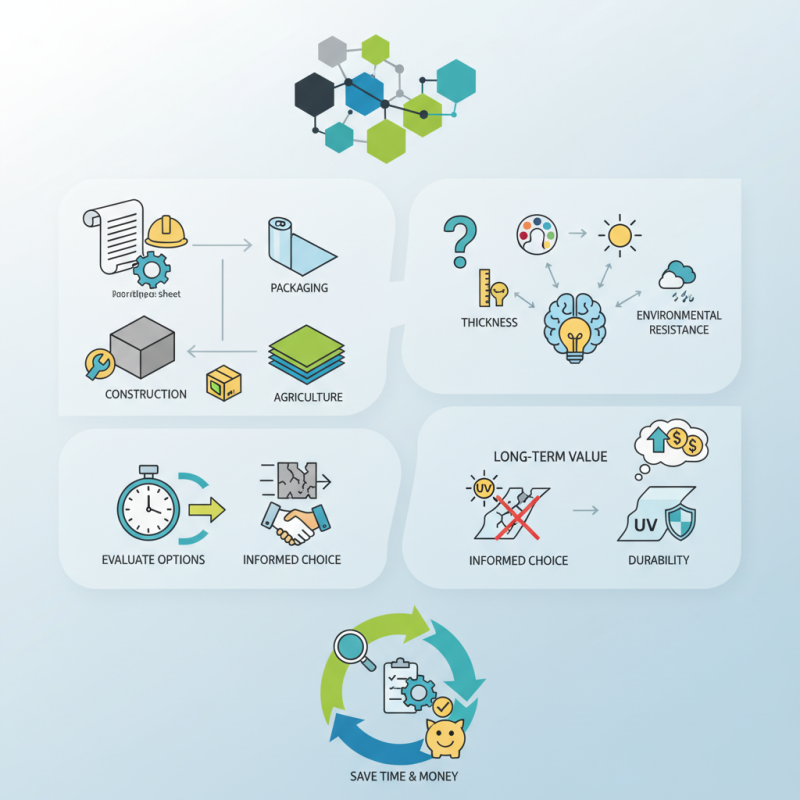
Before making a decision, consider your specific requirements. Think about factors like thickness, color, and resistance to environmental changes. Each choice can alter performance and durability. It's important to not rush this process.
Additionally, reflect on the long-term implications of your choice. Not all Polyethylene Sheets are created equal. Some may degrade faster under UV light. Make sure to evaluate all options thoroughly. A well-informed choice can save you time, money, and frustration down the line.
Understanding Different Types of Polyethylene Sheets Available
When selecting a polyethylene sheet, it's essential to understand the various types available. Polyethylene sheets differ in density, thickness, and color, each serving distinct purposes. Low-density polyethylene (LDPE) is flexible and ideal for applications that require bending and shaping. High-density polyethylene (HDPE) offers greater strength and durability, making it suitable for structural applications and outdoor use.
Another factor to consider is the sheet's transparency. Clear polyethylene sheets allow light transmission, which is beneficial for greenhouses or displays. Opaque options can provide more privacy and protection against UV damage. Additionally, you may encounter sheets designed for specific applications, such as anti-static polyethylene for electronic components. The choice largely depends on your project requirements.
Reflecting on these choices brings out the nuances in materials. A thicker sheet may be more robust, but it could be harder to handle. Conversely, thinner sheets are lightweight but may not offer the same durability. Understanding your needs and the properties of each type can guide you to a more informed decision. Consider your application carefully. This approach can prevent costly mistakes down the line.
Identifying Your Specific Application Needs for Polyethylene Sheets
When choosing a polyethylene sheet, consider your specific application needs. Polyethylene sheets come in various thicknesses and densities. Understanding the environment where the sheet will be used is crucial. Research shows that sheets thicker than 20 mils are more durable but can be heavier. This means they may be harder to install.
You might need a UV-resistant option if exposure to sunlight is likely. A report from the Plastics Industry Association indicates that UV-stabilized polyethylene can last up to two years longer than untreated versions. Evaluate the required clarity as well. Clear sheets provide visibility but may not be as strong as opaque ones.
Tips: Always factor in the temperature range of your application. Some polyethylene sheets can become brittle at low temperatures. Double-check the puncture resistance if the sheet will be used in high-traffic areas. Testing small samples before purchase can help identify the best fit.
Evaluating Thickness and Strength Requirements for Optimal Use
Choosing the right polyethylene sheet involves careful consideration of thickness and strength. Thickness is a primary factor to evaluate. Thicker sheets generally provide better durability and resistance to wear and tear. They can handle heavy loads and resist punctures effectively. However, a thicker sheet may not always be necessary. Assessing your specific needs is crucial.
Strength requirements depend on the intended application. For instance, a sheet used in construction must withstand more stress than one used for crafts. Factors such as temperature, exposure to chemicals, and UV resilience also play a role in determining strength. A lightweight sheet may be sufficient for indoor use, while a robust sheet is better suited for outdoor applications.
It's essential to reflect on any compromises made during selection. An overly thick sheet may add unnecessary weight and costs. Balancing thickness with practical use can be challenging. It’s wise to weigh your options carefully. A perceived advantage might not fit all scenarios. Evaluating your needs thoroughly will lead to more informed decisions.
Polyethylene Sheet Thickness and Strength Comparison
Comparing Cost-Effectiveness of Various Polyethylene Sheet Options
When selecting a polyethylene sheet, cost-effectiveness is a key consideration. Various types of polyethylene sheets are available, each with unique pricing and attributes. For instance, high-density polyethylene (HDPE) is known for its strength and durability but often comes at a higher cost. According to a 2022 industry report, HDPE can be up to 30% more expensive than low-density polyethylene (LDPE). However, it offers better longevity, making it a wise investment for long-term projects.
When comparing these options, also think about the thickness of the sheets. Thicker sheets might seem more costly upfront but can save money in the long run due to less frequent replacement needs. A 2023 study highlighted that opting for a 20-mil HDPE sheet can reduce replacement costs by 40% compared to a standard 10-mil sheet over five years.
Tips: Always consider your application. Whether for construction, agricultural use, or protective barriers, choosing the right type can significantly impact costs. Don't overlook potential waste during installation. You might find yourself with excess material or needing to buy more sheets, which can inflate costs. Careful planning can mitigate this risk.
Assessing Environmental Factors and Durability in Polyethylene Selection
When selecting a polyethylene sheet, environmental factors play a crucial role. Think about exposure to sunlight, moisture, and temperature fluctuations. UV rays can degrade materials over time, reducing their lifespan. Choose a sheet with UV resistance if it will be outdoors. Consider how humidity levels may affect the polyethylene as well. High moisture can cause mold or mildew if the material is not treated.
Durability is often linked to thickness and density. Thicker sheets tend to withstand impact better and last longer. However, heavier sheets can be more challenging to handle and install. Examine the specific application. Will the sheet be used for industrial purposes or in a home project? Each context has different durability requirements.
Reflect on your long-term needs. A cheaper sheet may look appealing but could lead to higher replacement costs. It’s essential to balance initial expense against future reliability. Sometimes, the most durable option isn’t the most eye-catching. Make choices that align with both functionality and aesthetic appeal. Consider all these factors before making a final decision.