How to Choose the Right Garage Door Panel for Your Home?
Choosing the right garage door panel is crucial for both functionality and aesthetics. This decision can dramatically impact your home’s curb appeal. According to James P. Thompson, a leading garage door panel expert, “The right garage door panel should reflect your home’s style while offering durability and security.”
Understanding your options helps simplify the selection process. Garage door panels come in various materials, styles, and colors. Each type serves a specific purpose, and it’s essential to align your choice with your home's architectural design. For instance, wood panels offer a classic look but require more maintenance than steel panels.
Consider insulation, too. An insulated garage door panel can improve energy efficiency. Many homeowners overlook this factor and face higher energy bills. Reflecting on your needs can make all the difference. Choosing a garage door panel isn’t just about looks; it’s about enhancing your home’s functionality and value.

Factors to Consider When Selecting Garage Door Panels
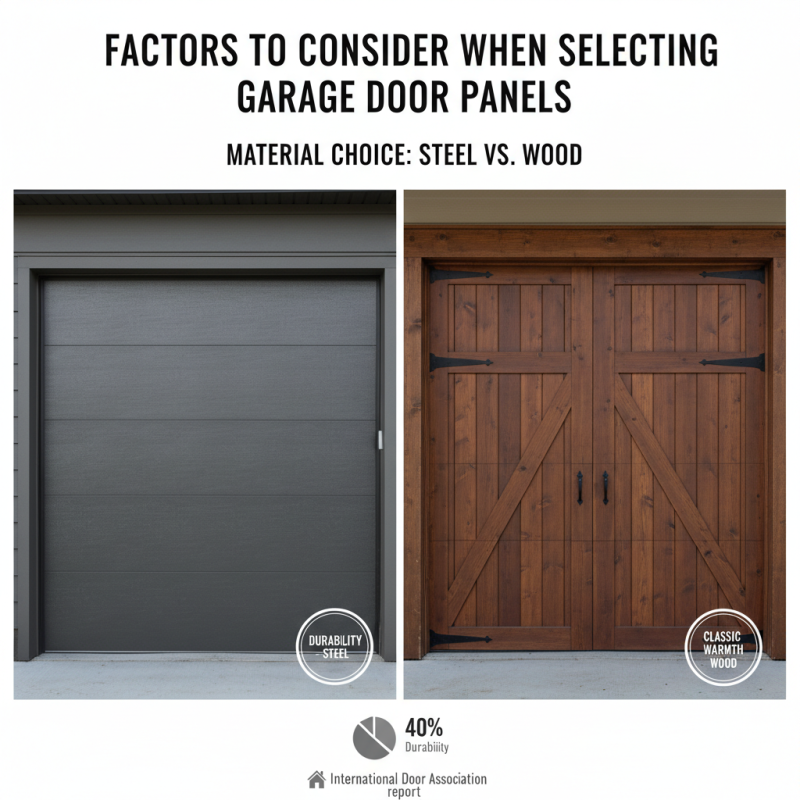
When selecting garage door panels, consider a few essential factors that impact durability and aesthetics. One significant aspect is material choice. Steel and wood are popular, each offering distinct benefits. Steel panels are resistant to damage and require less maintenance, while wood panels can provide a classic, warm look. According to a report by the International Door Association, over 40% of homeowners prioritize durability when making their choice.
Another crucial factor is insulation. Insulated panels help maintain temperature and reduce energy costs. The U.S. Department of Energy notes that a well-insulated garage door can lower heating and cooling bills by 10 to 20%. Homeowners with attached garages should prioritize insulation for comfort and efficiency.
Tips: Always check local climate conditions. If you live in extreme temperatures, consider investing in higher R-value panels for better insulation.
Design aesthetics play a vital role as well. The style and color of your garage door should complement your home’s architecture. Research shows that nearly 80% of potential buyers are influenced by curb appeal, which includes the appearance of the garage door. Balance function and style to enhance your home’s value.
Make a list of what you want in durability, insulation, and design. This will guide your decision. Remember, choosing the right panel is not just about looks—it’s about long-term investment.
Types of Garage Door Panels and Their Characteristics
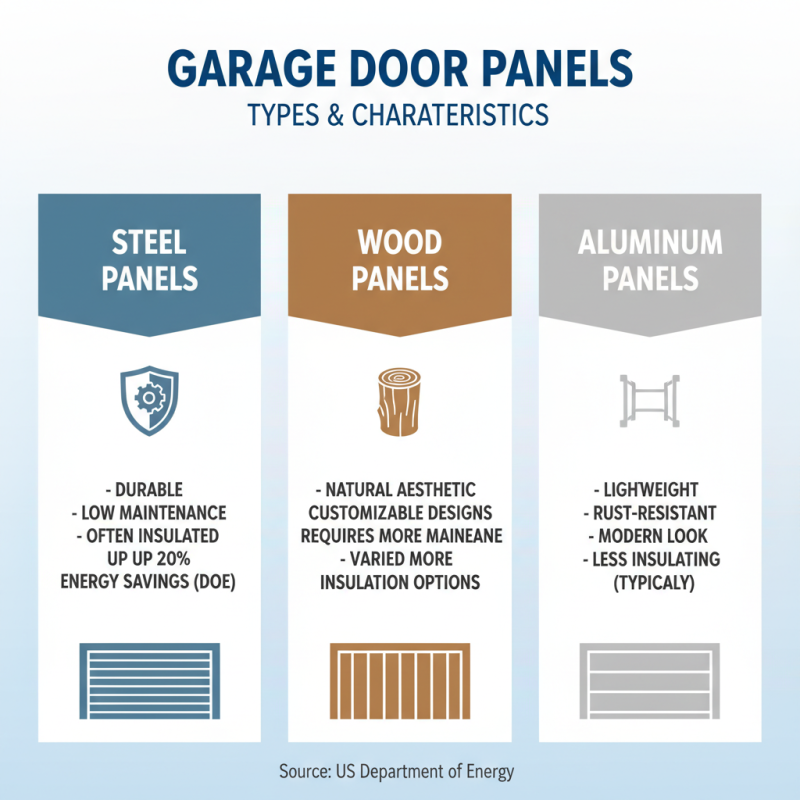
When selecting garage door panels, understanding the types available is essential. The most common materials include steel, wood, and aluminum. Steel panels are popular for their durability and low maintenance. They are often insulated, providing better energy efficiency. According to a report from the U.S. Department of Energy, insulated garage doors can reduce energy costs by up to 20%. This makes steel panels a reliable choice for homeowners seeking energy efficiency.
Wood panels offer a classic appeal but require regular upkeep. They can warp or rot without proper sealing. A survey from the National Association of Home Builders highlights that while wood doors have a lower initial cost, homeowners may spend significantly on maintenance over time. Aluminum panels are lightweight and resistant to rust, making them suitable for coastal areas. However, they may not provide the same insulation as steel.
Each garage door panel type has its pros and cons. Steel is sturdy but can be prone to dents. Wood provides beauty but requires care. Aluminum is lightweight, yet it lacks thermal efficiency. Reflecting on these factors can guide homeowners in making an informed choice. Balancing aesthetics, cost, and functionality is often a challenge, requiring careful consideration of individual needs and local climate.
Evaluating Durability and Maintenance Requirements
When choosing a garage door panel, durability is key. Materials greatly impact longevity. Steel panels resist dents and withstand severe weather. However, they may require occasional repainting to prevent rust. Wood panels exude charm but often need more maintenance. They can warp or crack if not sealed properly. The initial beauty can fade over time, leading to potential repairs or costly replacements.
Maintenance requirements also play a significant role. For instance, fiberglass panels are low-maintenance yet can be prone to fading. Regular cleaning can help retain their appearance. In contrast, aluminum panels are lightweight and resistant to corrosion, but they may not be as sturdy as other options. Evaluating how much time and effort you're willing to invest in upkeep is essential.
Reflect on your lifestyle. If you’re often busy, consider a material that requires less care. If you enjoy home projects, wood may provide a rewarding challenge. Ensure your choice aligns with your priorities, as the right garage door panel can enhance your home’s value and curb appeal while meeting your durability needs.
How to Choose the Right Garage Door Panel for Your Home? - Evaluating Durability and Maintenance Requirements
| Material |
Durability |
Maintenance Requirements |
Insulation Value (R-Value) |
Cost Range |
| Steel |
High |
Low (occasional washing) |
5-7 |
$750 - $2,500 |
| Wood |
Moderate |
High (regular sealing and painting) |
3-5 |
$1,000 - $3,000 |
| Aluminum |
Moderate |
Low (periodic cleaning) |
4-6 |
$800 - $2,500 |
| Vinyl |
High |
Very Low (occasional hose down) |
5-7 |
$900 - $2,200 |
Aesthetic Considerations for Garage Door Panels
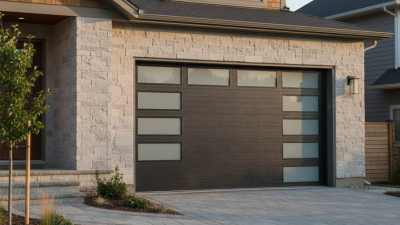
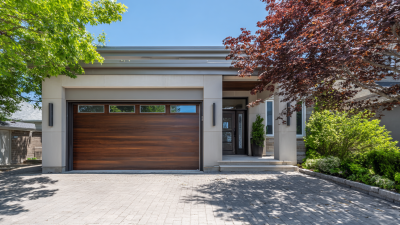
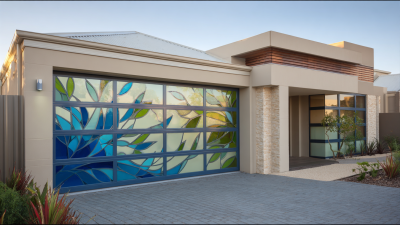
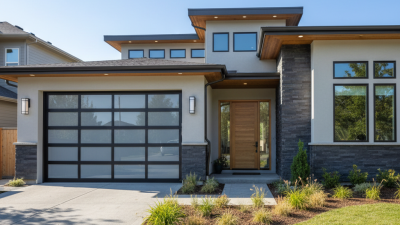
When selecting a garage door panel, aesthetics play a vital role in enhancing your home's curb appeal. The garage door occupies a significant portion of the front facade, accounting for about 30% of the exterior. Choosing the right style, color, and material can either complement or clash with your home's overall design. For instance, a modern home may benefit from sleek, minimalist panels, while a traditional style may call for raised-panel doors with intricate details.
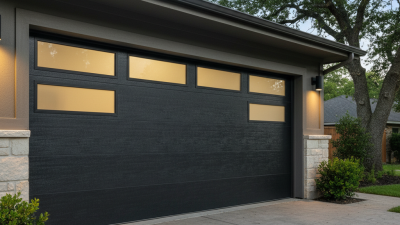
Textures and finishes matter greatly as well. According to a report from the American Garage Door Association, 70% of homeowners consider the look of their garage door a priority. Options like wood grain, smooth steel finishes, or matte colors provide different vibes for your home. Dark colors often impart a modern touch, while lighter shades evoke a classic feel.
Tips: Consider the surrounding environment. If your home is in a nature-rich area, earthy tones might be ideal. Observe your neighbors' choices, too. Their selections might inspire or guide your decisions. It's crucial to balance personal preference with what fits into the neighborhood aesthetic. Don’t rush; sometimes, taking a step back leads to a better decision. Remember, the garage door represents not just your style, but also your home’s identity.
Cost Analysis: Budgeting for Your Garage Door Panel Choice
When selecting a garage door panel, budget is a crucial aspect to consider. The costs vary widely based on material, size, and design features. Expect to spend anywhere from a few hundred to several thousand dollars. Aluminum panels tend to be more affordable, while wood or fiberglass options might be pricier. Each choice has its pros and cons. If you're on a tight budget, think about longevity and maintenance costs over time.
Installation adds another layer to the expense. Hiring professionals can increase your overall expenditure. Rates may fluctuate based on your location and the complexity of the installation. You can save money by opting for DIY installations, but this requires a level of skill. Make sure to evaluate your comfort level with tools and safety measures before going this route.
Consider future repairs and the warranty offered with different materials. Sometimes, cheaper panels provide lower quality and require more maintenance. It’s beneficial to invest in reliable materials that won’t need constant replacement. Think through the trade-offs between upfront costs and potential long-term expenses. Balancing these factors can often feel overwhelming, but careful planning can help you make a sound decision.
Cost Analysis: Budgeting for Your Garage Door Panel Choice