How to Choose the Right Garage Door Parts for Your Needs?
Choosing the right garage door parts is crucial for ensuring safety and efficiency. In 2022, the global garage door parts market size was valued at over $4 billion, with a steady growth forecast. This growth highlights the increasing importance of quality parts in home improvement.
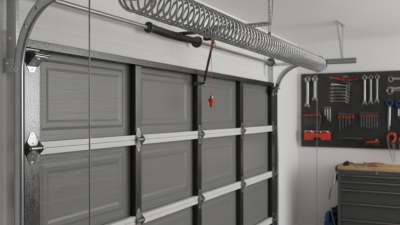
Garage door parts come in various types, including springs, openers, and panels. Each component plays a vital role in the overall function and durability of the door. For instance, torsion springs bear the weight of the door, while garage door openers manage its movement. Selecting the right quality impacts not just performance but also safety. Poor choices may lead to failure, potentially causing injuries or property damage.
Understanding your needs is essential. Factors such as door weight, frequency of use, and climate conditions can influence your selection. Always seek reliable sources and expert recommendations. Not all parts are created equal, and it is vital to reflect on your choices carefully. Quality is paramount, as investing in superior garage door parts ensures longevity and enhances security for your property.
Understanding Different Types of Garage Door Parts and Their Functions
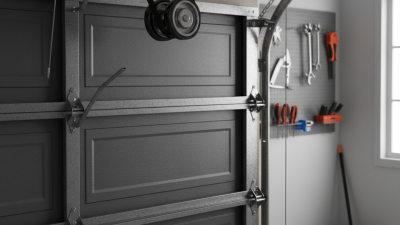
Choosing the right garage door parts is crucial for optimal functioning. Understanding the various components can help in making informed decisions. Garage doors consist of several key parts, including springs, rollers, tracks, and garage door openers. Each component serves a specific function. For example, springs provide the necessary tension to lift the door, while rollers allow smooth movement along the tracks.
Industry reports indicate that approximately 30% of garage door problems are related to faulty springs. The life of these springs is typically 10,000 cycles, equating to about 7-9 years for average usage. This statistic emphasizes the importance of selecting high-quality springs. For rollers, materials vary from plastic to steel. While plastic rollers are cheaper, they often wear out more quickly. Steel rollers can support heavier doors and enhance longevity, making them a better investment.
Garage door openers are also vital. They range in horsepower and features. A one-half horsepower opener is suitable for standard doors, while heavier doors may require a more powerful option. With around 30% of homeowners reporting issues with garage door openers, understanding the different types can mitigate potential problems. Choosing the right parts involves considering door weight, climate, and usage patterns. Recognizing the limitations of each component is essential for ensuring safety and efficiency.
How to Choose the Right Garage Door Parts for Your Needs
This chart illustrates the different types of garage door parts and their functionalities, indicating their importance in maintaining a reliable garage door system.
Assessing Your Garage Door Size and Weight for Optimal Part Selection
Choosing the right garage door parts starts with understanding the size and weight of your door. A standard garage door can weigh anywhere from 100 to 400 pounds. If you don't assess this accurately, you risk selecting parts unable to support the door's weight. This could lead to malfunction or even accidents.
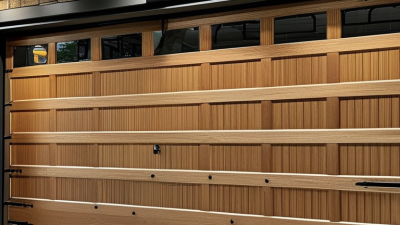
Take precise measurements of the door. Measure its height and width. Consider the materials used; wood doors are typically heavier than steel or aluminum ones. When selecting springs, getting the right type for your specific door weight is essential. If you choose springs that are too weak, they won’t provide adequate lift, resulting in strain on your opener.
Additionally, don't overlook the track and rollers. They need to handle the weight effectively. Installing parts that are incompatible can create a frustrating experience. This can diminish the overall functionality of your garage door. Always question if the selected parts are truly suitable for your door's specifications. Taking the time to reevaluate ensures you make informed choices.
Evaluating Material Durability and Weather Resistance in Garage Door Components
When selecting garage door parts, durability and weather resistance are critical. The materials used directly influence the longevity and performance of your door. According to the Garage Door Manufacturers Association, steel doors can withstand harsh conditions better than wood. While wood offers aesthetic appeal, it often requires more maintenance. Exposure to moisture can lead to warping or rot.
Consider how each part interacts with environmental factors. For instance, weather seals protect against rain, snow, and dust. A study from the National Garage Door Association shows that homes with better-sealed doors reduce energy costs by up to 15%. Choosing a reliable weather seal can therefore enhance insulation and prevent drafts.
Yet, not all high-durability materials are created equal. For example, galvanized steel can resist rust, but poor quality can lead to corrosion over time. It’s essential to examine material specifications, certifications, and user reviews. Consulting professionals can help clarify some of these uncertainties. Balancing cost and quality often requires deeper reflection on your specific needs.
Identifying Safety Features in Garage Door Parts for Enhanced Security
Choosing the right garage door parts requires attention to safety features. You want to enhance your home's security. Consider the materials used in the construction of the door. Strong steel or reinforced fiberglass offers better resistance against break-ins. Look for parts that have been tested for durability.
When examining safety features, inspect the electronic components. Features like photoelectric sensors can prevent accidents by stopping the door when an object is detected. Additionally, a secure lock system is essential to ensure the garage is not easily accessible. A robust manual lock can serve as an effective backup.
When purchasing, remember to check for certifications. Verified parts indicate a commitment to safety standards. Another point to reflect on is whether the installer and hardware have experience in garage door systems. This knowledge impacts the overall effectiveness of the safety features. A poorly installed system can compromise your home's security. In the world of garage doors, attention to detail matters immensely.
Calculating Budget and Maintenance Considerations for Garage Door Investments
When planning garage door investments, budget plays a critical role. Research indicates that homeowners typically spend between $500 and $3,500 on a new garage door, depending on material and style. Materials like steel tend to be more affordable, while wood options can lead to higher costs. Setting a precise budget is essential to ensure you select quality parts without overspending.
Maintenance is another important aspect. Regular upkeep can significantly extend the lifespan of garage door components. Reports suggest that regular inspections and basic maintenance can prevent costly repairs. Unexpected expenses often arise from neglecting small issues, which can lead to larger problems down the line. For example, a minor misalignment may cost a few dollars to fix but could result in a complete door replacement if ignored.
Additionally, consider future costs when choosing parts. High-quality components may cost more initially but can save money in the long run. For instance, investing in durable springs can reduce the frequency of replacements. An estimated 20% of garage door failures are linked to poor-quality parts. Understanding these factors can guide you in making well-informed decisions for your garage door needs.
How to Choose the Right Garage Door Parts for Your Needs?
| Part Type |
Material |
Average Cost |
Maintenance Frequency |
Lifespan |
| Garage Door Opener |
Steel |
$200 - $500 |
Every 6 months |
10-15 years |
| Springs |
Steel |
$50 - $150 |
Every 3 months |
7-9 years |
| Tracks |
Aluminum/Steel |
$30 - $100 |
Annually |
10-20 years |
| Panels |
Fiberglass/Wood |
$150 - $500 |
Every 2 years |
10-25 years |
| Remote Control |
Plastic/Metal |
$20 - $50 |
Every 1 year |
5-10 years |