How to Choose the 2026 Top Garage Door Fixers?

Choosing the right garage door fixers in 2026 requires more than scanning star ratings. A reliable professional should combine practical experience, technical training, transparent pricing, and careful communication. The best choice may not be the cheapest quote. It should be the team that explains the fault clearly, checks the entire door system, and recommends only necessary repairs.

Tom Wadsworth, a longtime garage-door safety educator, puts it plainly: “The garage door is the largest moving object in your home.” That warning matters. A weak spring, damaged cable, or misaligned track can turn a routine repair into a serious safety concern. Qualified garage door fixers should understand spring tension, opener compatibility, sensor alignment, and manufacturer specifications. They should also provide written estimates, service guarantees, and evidence of relevant insurance or licensing where required.

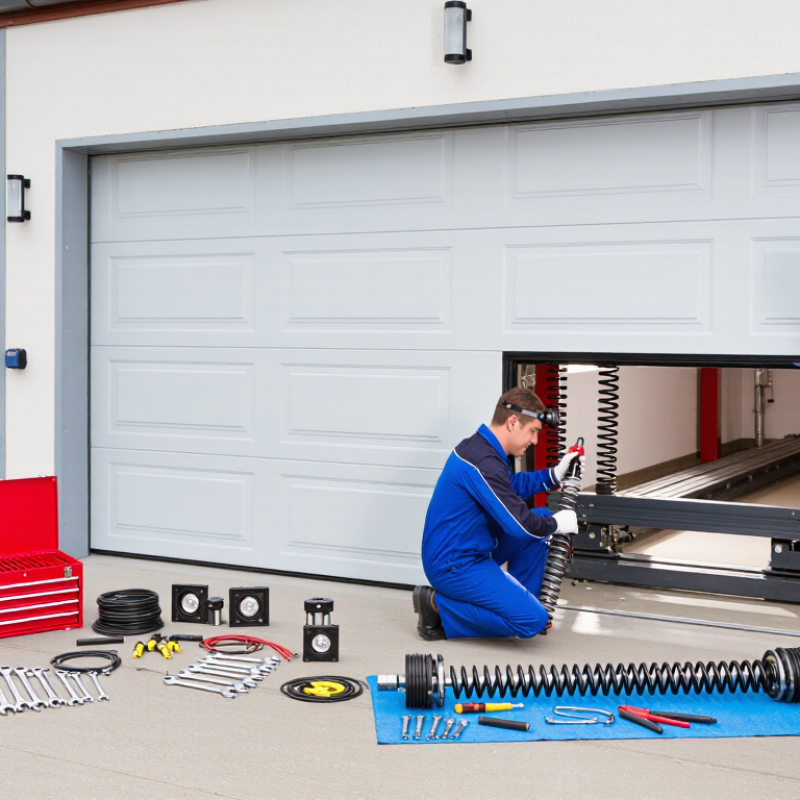
Look for technicians who arrive with proper tools, protective equipment, and common replacement parts. Ask whether they inspect the rollers, hinges, cables, tracks, and automatic reversal system. A trustworthy company welcomes those questions. It does not pressure you into replacing a door that only needs adjustment.

Still, no checklist is perfect. Online reviews can be incomplete, and polished websites prove little. A neighbor’s recent experience may reveal more. In 2026, homeowners should compare response times, warranty terms, repair photos, and after-service support. Small details matter, such as a technician labeling removed parts or cleaning metal filings from the floor. The right decision may feel slower, but careful evaluation usually prevents repeat repairs, surprise charges, and avoidable frustration.
How to Choose the 2026 Top Garage Door Fixers?

Define “Top” Using 10,000-Cycle Opener Ratings and Service Metrics

How to Choose the 2026 Top Garage Door Fixers?

A top garage door fixer should prove more than fast appointment times. Start with the opener’s 10,000-cycle rating. This figure estimates repeated opening and closing, not guaranteed lifetime performance. Ask whether the rating comes from documented testing or a sales claim. Experienced technicians should also inspect spring balance, cable tension, track alignment, and reversal sensors. A quiet opener can still hide a serious problem.

Tips: Request a written inspection report. Check response times, repair warranties, and technician training. Ask how the company handles repeat failures. Clear answers matter. So does careful work.

Service metrics reveal reliability after installation. Compare average arrival windows, callback rates, same-day completion rates, and customer review patterns. A strong provider records measurements before replacing parts. They explain why a repair is needed and show worn components when practical. Independent feedback from recent customers adds useful evidence, but reviews are imperfect. I would not trust a perfect score alone. Weather, heavy doors, poor insulation, and daily use can reduce real-world cycle life. The best choice combines tested equipment with accountable service, realistic explanations, and evidence from completed jobs.
Verify UL 325 Compliance and DASMA Safety-Standard Expertise

How to Choose the 2026 Top Garage Door Fixers?

A dependable garage door fixer should understand UL 325, not merely mention it in an advertisement. UL 325 addresses entrapment protection for automated doors and operators. Ask which safety devices the repair includes. These may include photoelectric sensors, monitored safety edges, and automatic reversal controls. Request model details, installation records, and testing results. A careful technician will explain each device in plain language.

Look for practical DASMA safety-standard expertise. DASMA guidance covers installation, inspection, maintenance, and operator safety. The technician should check spring balance, cable condition, travel limits, force settings, and sensor alignment. Watch the inspection. Sensors should face each other without dust, damage, or loose brackets. The door should reverse during a properly controlled test. Small details matter.

Do not accept vague promises.

A qualified professional should identify outdated equipment and explain safer replacement options without pressure. They should also provide maintenance instructions and document the work completed. Experience matters when a door shakes, stalls, or closes unevenly. Still, experience alone is not proof. I would question any fixer who skips a physical inspection or claims that one sensor solves every hazard. Even careful technicians can miss a hidden wiring fault, so independent testing and a second look can be worthwhile.

How to Choose the 2026 Top Garage Door Fixers? - Verify UL 325 Compliance and DASMA Safety-Standard Expertise

Evaluation Dimension Verified Requirement for 2026 Evidence to Request Suggested Weight Pass Standard
UL 325 product-safety knowledge The technician understands that UL 325 covers the safety requirements for door, gate, curtain, and window operators, including entrapment-protection provisions. Written explanation of the operator’s safety functions and the relevant manufacturer installation instructions. 20% Can explain the applicable safety devices without treating UL 325 as an installer license.
Entrapment-protection testing The service includes testing of the operator’s required primary and secondary entrapment-protection functions, as applicable to the installed system. A written test record showing reversal, obstruction-response, photoelectric-device, or other applicable safety checks. 20% Every safety device is tested after adjustment, repair, or operator replacement.
Photoelectric safety sensors Sensors are correctly positioned, aligned, securely mounted, free from obstruction, and tested for a safe response. On-site alignment check, indicator-light verification, and documented obstruction test. 10% The door does not continue closing when the required sensing path is interrupted.
Manual-release and emergency operation The technician checks the emergency manual release, door balance, lifting effort, and safe manual movement. Demonstration that the door can be manually released and operated safely when the power operator is unavailable. 10% The release mechanism works, is accessible, and is explained to the property owner.
DASMA technical-standard expertise The technician uses applicable DASMA technical data sheets and industry guidance for installation, inspection, adjustment, and maintenance decisions. A service checklist identifying the applicable DASMA guidance and the work completed. 15% Recommendations are supported by current technical guidance rather than guesswork or unnecessary part replacement.
Door balance and hardware inspection Springs, cables, drums, rollers, hinges, tracks, fasteners, and mounting points are inspected for wear, damage, looseness, or unsafe adjustment. Itemized inspection report with photographs of defects and a clear distinction between urgent and routine work. 10% The technician does not adjust or replace high-tension components without appropriate tools, training, and safety controls.
Code and manufacturer-instruction review The proposed repair considers the operator manual, door configuration, local requirements, and any applicable inspection rules. Written scope of work citing the applicable manual, local requirement, or inspection condition. 5% The recommendation is specific to the installed door and operator rather than a generic package.
Documentation and customer handover The customer receives test results, replaced-part details, maintenance advice, warranty terms, and safety warnings. Completed invoice or service report with date, technician identification, work performed, and final safety-test results. 5% The final documentation is clear enough for future maintenance and inspection.
Recommended selection threshold Use a weighted score based on documented evidence, not advertising claims alone. Completed comparison sheet, service report, and safety-test records. 100% Select only providers scoring at least 80%, with no failure in entrapment-protection testing.

Verification note: UL 325 is a product-safety standard for powered door and gate operators; it is not, by itself, proof that an individual repair business is licensed or certified. DASMA publishes technical data sheets and industry guidance, so the strongest evaluation combines documented technical knowledge, safe work practices, applicable local requirements, and completed post-service testing.

Check 2026 Licensing, Insurance, and Manufacturer Certifications

How to Choose the 2026 Top Garage Door Fixers?

A licensed garage door fixer has met local requirements for training, safety, and business practice. Ask for the license number, issuing authority, and expiration date. Check those details through the official government website, not only a company’s advertisement. A license may cover general contracting but exclude specialized door work. Confirm the exact scope before scheduling service. Small detail, big difference.

Request a current certificate of insurance. It should show general liability coverage and workers’ compensation when employees visit your property. Call the listed insurer to confirm the policy remains active. Insurance limits matter, especially when springs, cables, and heavy panels are involved. A faded document or vague answer deserves caution.

Manufacturer certification can show hands-on training for specific door systems and safety procedures. Ask which products the technician studied, when training was completed, and whether certification is still valid. I used to think certification alone proved expertise. It does not. Real experience includes accurate measurements, careful testing, and clear explanations of repair risks. Look for written estimates, documented warranties, and photos of similar completed work. A confident technician should explain why a part failed, not simply recommend replacement. Even experienced professionals can miss hidden damage, so honest uncertainty is a useful sign.

How to Choose the 2026 Top Garage Door Fixers?

Licensing, insurance, and manufacturer certification verification framework

Use this 100-point screening framework when comparing garage door repair providers in 2026. Confirm that any required license is valid in your jurisdiction, request current general liability and workers’ compensation insurance details, and verify manufacturer training or certification directly with the manufacturer. Certification requirements and licensing rules vary by location and equipment type.

Compare Itemized Quotes with Current Garage Door Repair Benchmarks

How to Choose the 2026 Top Garage Door Fixers?

A reliable fixer should provide an itemized quote before work begins. The document should separate labor, parts, travel fees, disposal, and emergency charges. Compare each line with current garage door repair benchmarks in your area. Regional prices differ, but unusual gaps deserve questions. A broken spring, damaged roller, or bent track should have a clear diagnosis. Avoid vague descriptions such as “complete repair package.” Ask which component failed and why replacement is necessary.

Experience appears in the details. A skilled technician checks door balance, cable tension, safety sensors, and opener response. Request proof of relevant credentials, insurance, and a written workmanship warranty. Confirm whether the quote covers adjustment after installation. Some quotes look affordable because they exclude inspection or follow-up service. That is easy to miss. I would not pretend every benchmark fits every home, especially older systems or unusual door sizes.

Tips: Collect at least three written quotes. Use the same repair description for each provider. Ask for parts specifications and expected service life. Check recent, verifiable customer feedback, not only star ratings. Before approving work, confirm the final price and payment terms in writing. A dependable fixer explains risks without pressure and admits when replacement is more practical than repair. Short answers can be honest, but incomplete answers should slow your decision.

Rank Warranties, Response Times, Parts Quality, and Verified Reviews

How to Choose the 2026 Top Garage Door Fixers?

A dependable garage door fixer should explain the warranty before touching your door. Check whether it covers labor, springs, cables, and replacement parts. Ask about exclusions, transfer rules, and the warranty period in writing. A long warranty means little if claims require complicated conditions. Clear answers show professional discipline.

Response time matters when a door blocks your vehicle or remains partly open overnight. Ask for a realistic arrival window, not a vague promise. Quality technicians confirm the problem, explain risks, and provide an itemized estimate before repairs. Parts should match the door’s specifications, safety requirements, and expected workload. Cheap rollers may seem practical, but noisy operation can return within months. I have noticed that rushed repairs often create small alignment problems later. That is worth questioning.

Tips: Read recent verified reviews, not only star ratings. Look for details about arrival times, communication, cleanup, and repeat visits. Review patterns matter more than one angry comment. Confirm that reviewers describe the same repair type. Request photos of damaged parts when possible. Keep the invoice and warranty documents. If the technician avoids basic questions, pause before approving work. My own standard would be stricter after one imperfect repair: fast service helped, but unclear parts information caused more uncertainty than expected.