How to Choose the Best Bottom Roller for Your Application?
In the ever-evolving world of industrial machinery, selecting the right Bottom Roller is crucial. Expert John Thompson, a recognized leader in the field, emphasizes, “The right Bottom Roller can significantly influence your machinery's performance.” His insight underscores the importance of making an informed choice.
Choosing a Bottom Roller involves understanding various factors. It’s not merely about price or brand; it's about suitability for your specific application. Different industries have unique demands. The material, design, and load capacity of the Bottom Roller can impact efficiency and durability.
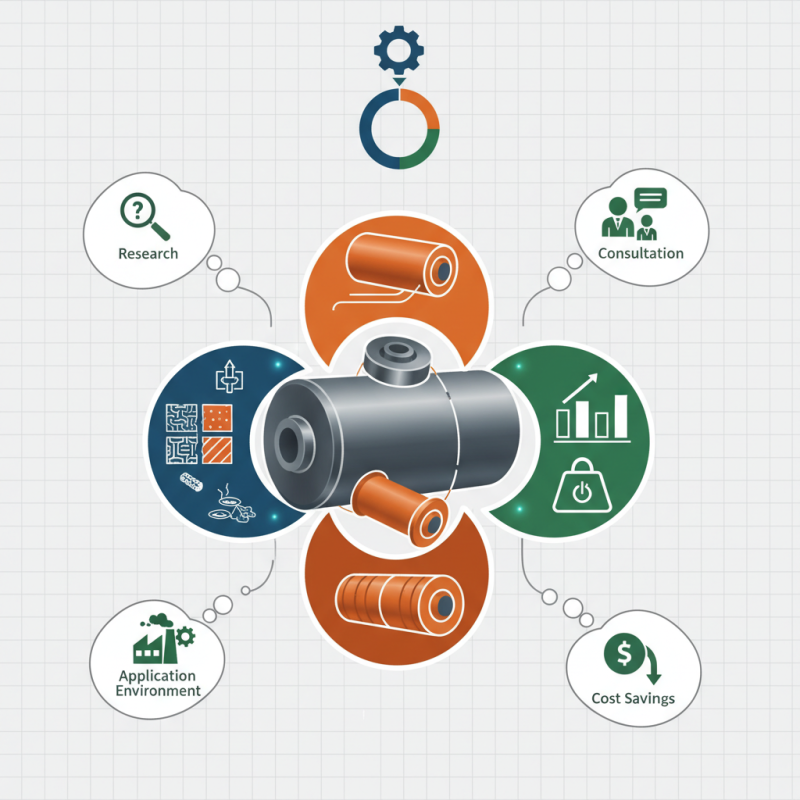
While numerous options are available, reflected choices can lead to costly mistakes. Overlooking specifications or the environment in which the Bottom Roller will operate might result in premature failure. Therefore, thorough research and consultation with specialists are essential. Investing time now can save substantial costs and complications down the line.
Understanding the Purpose of Bottom Rollers in Applications
Bottom rollers play a crucial role in various applications, particularly in industrial settings like conveyor systems. Their primary purpose is to support the weight and facilitate the movement of materials. This ensures that goods move smoothly across production lines. By reducing friction, bottom rollers enhance operational efficiency.
Selecting the right bottom roller involves understanding its function based on specific requirements. Different materials and sizes may affect performance. For instance, heavy-duty rollers are vital for transporting bulky items. Choosing the wrong type could lead to premature wear or even mechanical failures.
Additionally, proper maintenance is essential for longevity. Sometimes, users overlook this aspect. Regular inspections can prevent unexpected breakdowns. A small issue, if ignored, might evolve into a significant problem. Reflect on how often these components are monitored in your system. This reflection can lead to improvements in overall productivity.
Types of Bottom Rollers: A Comprehensive Overview
When selecting the right bottom roller, understanding its types is crucial. Bottom rollers are used in various applications, from material handling to conveyor systems. Each type has unique features that cater to specific needs. For example, steel rollers are durable and suited for heavy loads, while plastic rollers are lighter and resistant to corrosion.
Consider your application's requirements. Lightweight materials may benefit from plastic rollers, especially in environments where moisture is present. Conversely, heavy-duty operations often demand sturdier options. Additionally, some rollers are designed for specific surfaces, impacting traction and stability.
While choosing the right bottom roller, it's important to reflect on potential challenges. Not all rollers perform well in every situation. Overlooking environmental factors can lead to premature wear or failure. Always evaluate your options carefully to ensure reliability and efficiency in your application. Understanding these details can lead to better choices that enhance performance.
Factors to Consider When Selecting Bottom Rollers
When selecting bottom rollers for your application, several key factors come into play. First, consider the load capacity required. According to industry reports, proper load handling is crucial. Bottom rollers must support not only the weight of materials but also the dynamic forces during operation. Inadequate load capacity can lead to premature wear or even equipment failure.
Another important aspect is the roller material. Durable materials enhance longevity. For example, rubber or polyurethane offers good shock absorption. Metal rollers may provide better rigidity but might wear faster in certain environments. Data suggests that improper material choice can reduce roller life by up to 30%.
Environmental conditions are also significant. Factors like temperature and exposure to chemicals affect roller performance. In extreme conditions, a less durable roller may fail quickly. The right choice can mitigate risks and ensure efficient operation. Regular assessments of roller performance can reveal areas for improvement. Understanding these factors is vital in making an informed decision.
Comparative Analysis of Popular Bottom Roller Brands
When selecting bottom rollers, understanding the characteristics of leading brands is crucial. A comparative analysis reveals differences in durability, material quality, and pricing. Recent industry reports highlight that rollers made from high-grade materials can last up to 30% longer, positively impacting operational efficiency. While some brands claim superior performance, testing often shows varying results under actual working conditions.
Tips: Focus on roller specifications that align with your application. Analyze weight capacities and operational loads, as mismatched rollers can lead to early wear.
Consider user reviews and testimonials as well. These can provide insights into long-term performance that may not be available in promotional materials. Occasionally, you might find discrepancies between advertised features and real-world outcomes. Engaging with industry forums can also help validate claims.
Remember that not every option will suit your needs perfectly. Some users report that specific roller designs can be problematic in extreme environments. Gathering detailed data and field references is vital to making an informed choice. Regular maintenance is essential to ensure the longevity and effectiveness of your selected bottom roller.
How to Choose the Best Bottom Roller for Your Application?
Maintenance Tips for Optimal Performance of Bottom Rollers
Maintaining bottom rollers is crucial for optimal performance in various applications. Regular inspections are essential. A study found that improper maintenance can reduce roller lifespan by up to 40%. Checking for wear and tear every month helps identify issues early. Dust and debris can accumulate, impacting efficiency and causing damage.
Lubrication is another key aspect. Using the right lubricant prevents friction and overheating. A report from industry experts indicates that proper lubrication increases efficiency by 15%. It is vital to follow guidelines for the lubricant’s application frequency and amount. Over-lubrication can lead to complications, so finding the right balance is important.
Temperature monitoring is often overlooked. Rolls can become too hot during operation, leading to material degradation. Keeping an eye on operating temperatures can help maintain performance. Many operators fail to measure this regularly, resulting in avoidable downtime. Investing in temperature sensors can make a difference, providing real-time feedback on performance.