Top Garage Door Fixing Tips for Your Home Today?
When it comes to garage door fixing, many homeowners underestimate the importance of maintaining this vital entry point to their homes. According to a recent report by the International Door Association, nearly 30% of garage doors experience issues that require professional intervention annually. This statistic highlights the need for homeowners to be proactive in addressing potential issues before they escalate into costly repairs.
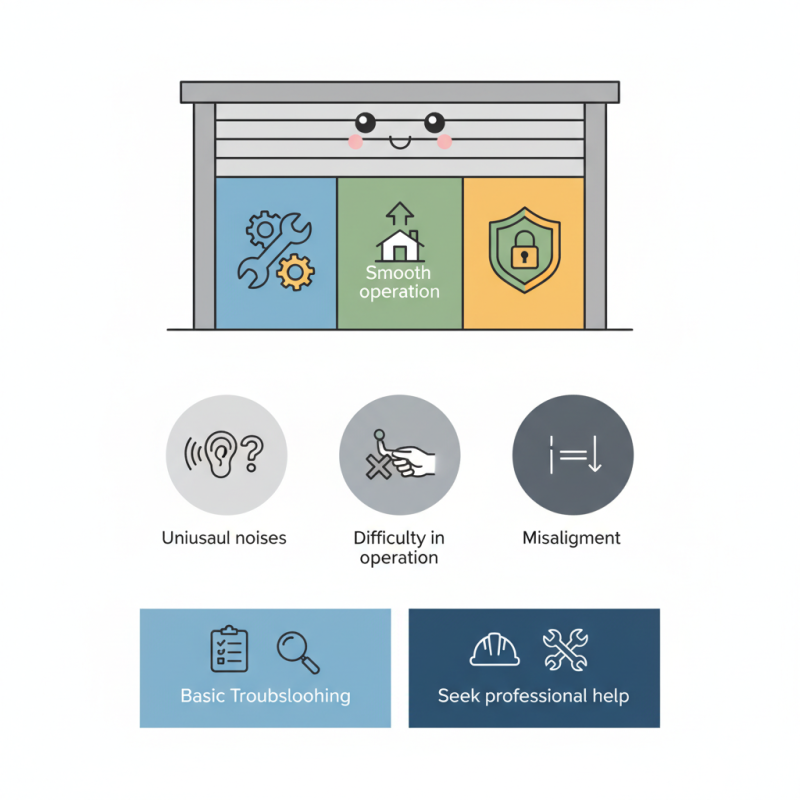
Expert James McAllister, a renowned specialist in garage door systems, emphasizes the significance of regular maintenance. He states, "A little attention can prevent major garage door problems." It's critical for homeowners to understand the common signs of wear and tear. These often include unusual noises, difficulty in operation, or misalignment. Each of these issues can disrupt the daily routine and compromise the security of your home.
Garage door fixing isn’t always straightforward. It can sometimes involve trial and error, resulting in frustration. However, knowing what to look for can make a difference. Homeowners should familiarize themselves with basic troubleshooting steps and when to seek professional help. The more equipped you are, the better prepared you will be to handle garage door issues effectively.
Common Garage Door Issues and Their Symptoms
Garage doors are essential for home security and convenience, yet they often face wear and tear. Common issues can arise and recognizing their symptoms is key to timely repairs. For instance, a garage door that won’t open may indicate a broken spring or faulty sensors. According to research, nearly 30% of homeowners experience some form of garage door malfunction annually.
Another common problem is unusual noises during operation. These can signal issues like frayed cables or misaligned tracks. A study from the Home Improvement Research Institute highlights that routine maintenance can prevent up to 50% of these issues. It's crucial to listen for grinding or scraping sounds, as they could lead to more serious damage if ignored.
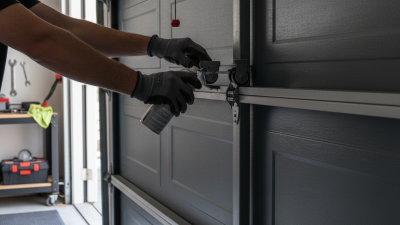
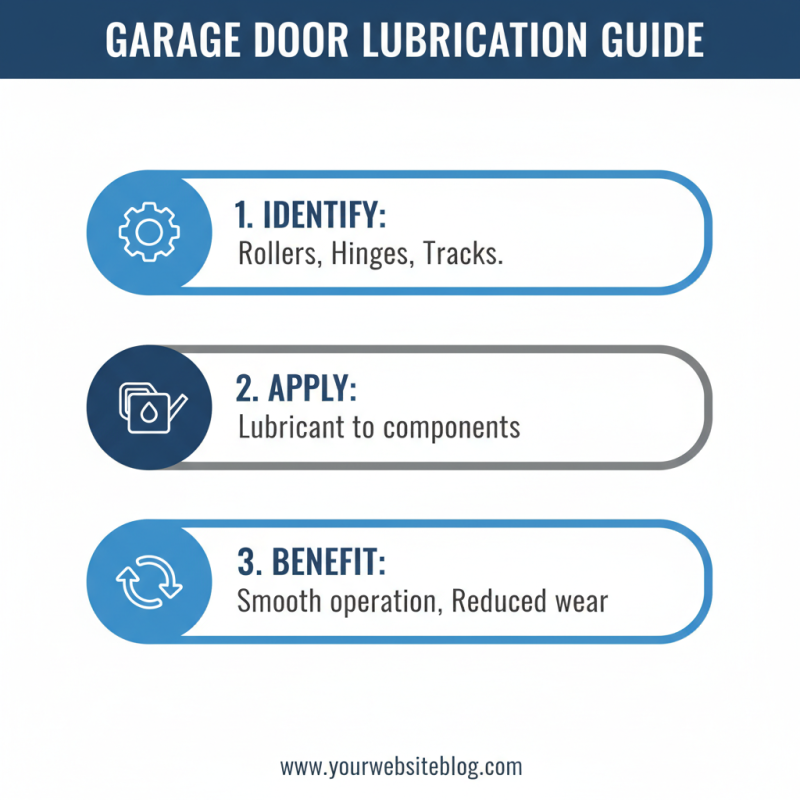
To maintain your garage door, regularly inspect it for signs of wear. Lubricating moving parts after every few months can extend its lifespan. Additionally, check the balance of your door by disconnecting it from the opener and manually lifting it halfway. If it doesn't stay in place, the spring may need adjustment. Remember, early detection of these symptoms can save you from expensive repairs down the line.
Essential Tools for DIY Garage Door Repairs
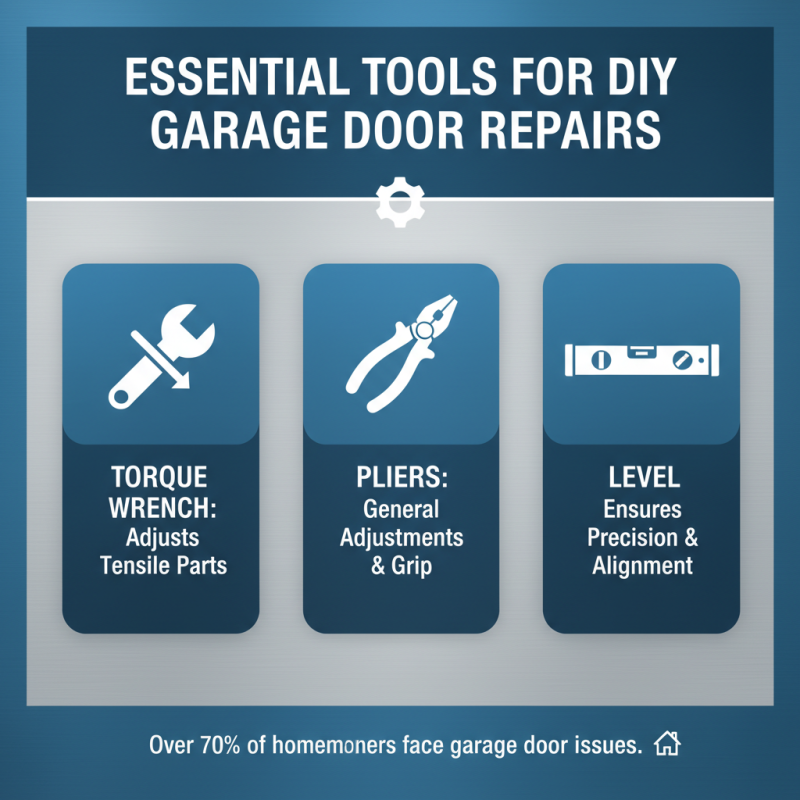
When it comes to DIY garage door repairs, having the right tools is essential. Studies show that over 70% of homeowners encounter issues with their garage doors at some point. A well-equipped toolkit can make these repairs manageable. Key tools include a torque wrench, pliers, and a level. These tools help ensure that tense parts are adjusted correctly. A simple misalignment can lead to further problems, so precision is key.
The average garage door weighs around 150 pounds, making safety a priority. A sturdy ladder and safety goggles should also be in your toolkit. Researchers point out that inadequate safety measures can exacerbate the risk of injuries. For those not familiar with garage door mechanics, a basic repair manual or online video tutorials can be invaluable. Over 60% of DIY enthusiasts report gaining confidence from these resources, although some admit feeling overwhelmed without guidance.
Investing in tools fosters a sense of empowerment. However, DIY repairs may not always go as planned. A poorly executed fix can lead to compound issues down the line. Acknowledging the limits of one's skills is essential for effective home maintenance. Balancing ambition with caution can save both time and money in the long run.
How to Realign Misaligned Garage Door Tracks
Garage doors can sometimes be a real hassle, especially when the tracks become misaligned. When this happens, your door might not open or close properly. Understanding how to fix misaligned tracks is essential for every homeowner. Here’s what you need to know.
Start by visually inspecting the tracks for any visible damage. Look for bends, breaks, or obstructions. Use a level to check if the tracks are perfectly vertical and horizontal. If you notice any misalignment, gently tap the tracks back into place using a rubber mallet. Always wear safety gear when working near heavy garage doors.
To keep your tracks aligned, perform regular maintenance. Clean the tracks and remove debris that can cause issues. Lubricate the rollers and hinges at least twice a year. If the door still has problems, consider hiring a professional for a more in-depth evaluation. Sometimes, a small issue can lead to bigger problems later.
Finally, be aware of the wear and tear over time. Misalignment may also indicate that components need replacement. Understanding these tips can lead to a better-maintained garage door, ultimately saving you time and frustration.
Top Garage Door Fixing Tips for Your Home Today
| Tip Number |
Fixing Tips |
Tools Needed |
Estimated Time |
| 1 |
Check for Obstructions |
None |
5 minutes |
| 2 |
Inspect the Tracks |
Flashlight |
10 minutes |
| 3 |
Realign the Tracks |
Wrench, Pliers |
20 minutes |
| 4 |
Tighten the Hardware |
Screwdriver |
15 minutes |
| 5 |
Lubricate the Tracks |
Lubricant, Cloth |
10 minutes |
When to Call a Professional for Garage Door Repairs
When dealing with garage door issues, knowing when to call a professional is crucial. Many homeowners underestimate the complexity of garage door systems. Statistics indicate that around 1 in 15 garage doors has a malfunction each year. Ignoring these issues can lead to bigger problems, posing safety risks and causing costly repairs.
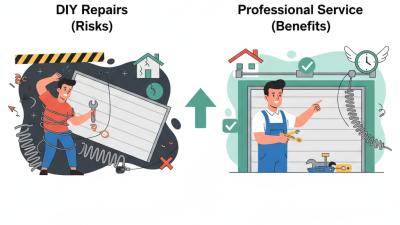
Signs that you should seek professional help include unusual noises, difficulty opening or closing the door, or if the door is off its tracks. Experts recommend that any spring or cable repairs should be left to professionals. These parts are under significant tension and can cause serious injury if mishandled. A survey from the Garage Door Manufacturer's Association found that about 20% of DIY repairs result in further damage, leading to higher overall costs.
Regular maintenance can prevent many issues. However, not all problems are fixable without expertise. If you replace parts yourself but still face issues, a professional should assess the situation. Remember, a small garage door problem today could escalate into a major repair tomorrow. It’s often worth the investment to consult a qualified technician when in doubt.