What is a garage door panel and how to choose the best one?
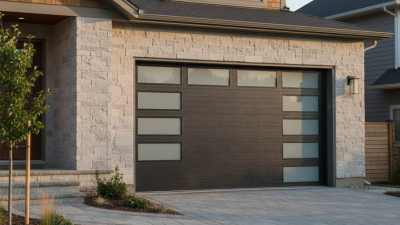
A garage door panel is a crucial component of your home's exterior. It serves as both a functional barrier and an aesthetic feature. Choosing the right garage door panel can significantly impact your property's curb appeal and security.
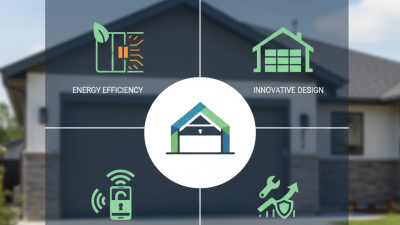
When selecting a garage door panel, consider the material, style, and insulation. Materials like steel, wood, and fiberglass each offer distinct benefits and drawbacks. Aesthetics play a vital role, as the right design can enhance your home's overall look. However, many homeowners overlook the importance of insulation. Proper insulation can reduce energy costs and provide better temperature control.
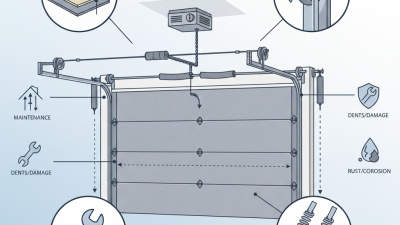
Keep in mind that not all garage door panels are created equal. Some may develop issues over time, leading to costly repairs. It's essential to research and reflect on your choices, ensuring they align with your needs. Investing in a quality garage door panel today can save you time and money in the future.
What is a Garage Door Panel? Definition and Functionality Explored
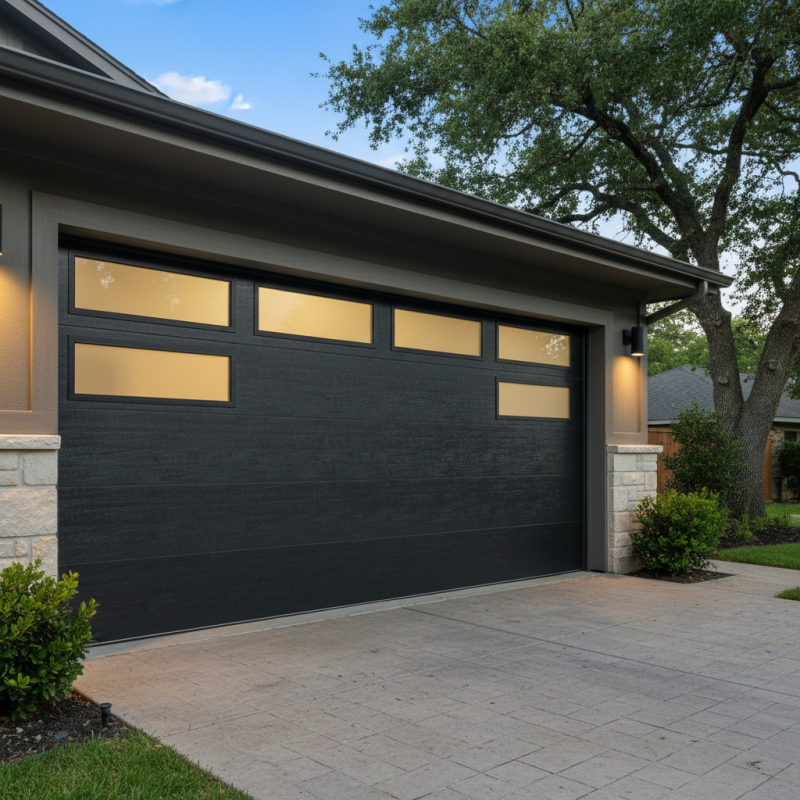
A garage door panel is a crucial element of your garage door system. It serves as the primary barrier between your vehicle and the outside environment. Typically made of materials like steel, wood, or fiberglass, these panels provide security and insulation. Their design plays a significant role in enhancing your home's curb appeal.
When selecting a garage door panel, consider factors such as durability and maintenance. Steel panels, for instance, offer strength and are low-maintenance. On the other hand, wooden panels can bring warmth and charm, though they require regular upkeep.
Think about the climate in your area too. Extreme weather conditions can affect the longevity of different materials.
Take time to reflect on the style that fits your home. A mismatch can detract from your house's overall look. Also, consider energy efficiency. Well-insulated panels can reduce heating and cooling costs. Balance looks with functionality. It’s essential to choose wisely, as a panel isn't just an aesthetic choice but also a safety factor for your garage.
Common Materials Used in Garage Door Panels: Pros and Cons
Garage door panels come in various materials, each with unique benefits and drawbacks. Understanding these can help you make a better choice.
Steel panels are popular. They are strong and durable, resisting dents and impacts. However, they can rust if not properly maintained. Aluminum is lighter and won't rust, but it may not withstand heavy impacts as well as steel. Wood panels offer a classic look and excellent insulation. Yet, they require more upkeep. They can warp or rot if exposed to moisture.
Fiberglass is another option. It’s lightweight and resistant to corrosion. However, it can become discolored over time. Each material has its perks and challenges. Think about your climate and home style before deciding. Balancing aesthetics with function can be tricky. Be sure to weigh durability against maintenance needs.
Key Factors to Consider When Choosing Garage Door Panels
Choosing the right garage door panel is crucial for both function and curb appeal. The material is a key factor. Steel panels are durable and low maintenance. However, insulated panels offer energy efficiency. A report by the Door & Access Systems Manufacturers Association indicates that insulated doors can save up to 20% on energy costs, which is significant for many homeowners.
Color and style also play an important role. Aesthetic considerations should match your home’s architecture. Over 70% of buyers value curb appeal highly, according to a Harvard study. A tasteful color can enhance or detract from your home’s exterior. Consider regional trends as well. Certain styles may be more popular in your area, offering a balance between personal taste and marketability.
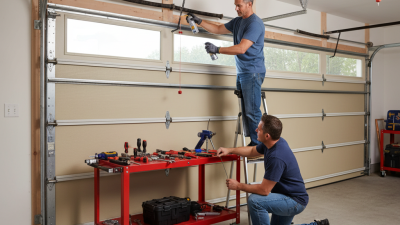
Lastly, the installation method impacts durability and ease of use. Some panels require professional installation, while others allow for DIY methods. A poor installation can lead to future issues such as misalignment. Not all panel types suit every garage structure, so it’s vital to assess your specific needs. Choose wisely, as your decision will influence your home’s longevity and aesthetic appeal.
Garage Door Panel Types and Popularity
Industry Standards for Garage Door Panel Durability and Insulation
When selecting a garage door panel, durability and insulation are crucial factors.
Industry standards emphasize that a well-constructed panel should resist dents and weather impacts.
According to the Garage Door Manufacturers Association, a quality panel can withstand temperatures ranging from -20°F to 120°F.
This resilience is vital for longevity and performance.
Insulation is another essential consideration.
A panel with a higher R-value indicates better thermal resistance.
For instance, panels rated with an R-value of 12 or more are deemed excellent for energy efficiency.
This can lead to savings on heating and cooling costs.
Nonetheless, insulation needs can change depending on your local climate and specific home requirements.
Wood, steel, and fiberglass are common materials for garage door panels.
Each has its benefits and drawbacks.
Wood panels provide natural beauty but may require more upkeep.
Steel is typically more durable but can suffer from rust if not properly treated.
It's important to reflect on these aspects before making a decision.
The choice of panel can have long-lasting implications for energy efficiency and overall functionality.
Cost Analysis: Understanding Garage Door Panel Pricing and Options
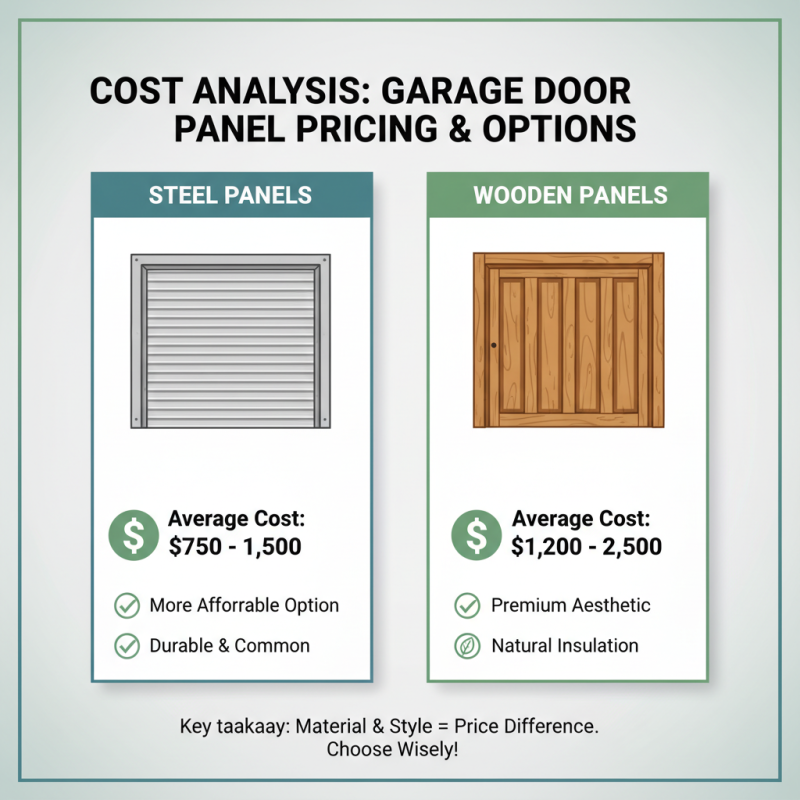
When considering garage door panels, understanding their pricing is crucial. The cost can range significantly based on materials and style. For instance, steel panels tend to be more affordable, averaging around $750 to $1,500. Conversely, wooden panels may cost between $1,200 and $2,500. This highlights a substantial price difference that homeowners should assess carefully.
Additionally, factors like insulation and design intricacy impact prices. A well-insulated panel provides energy savings but may increase upfront costs. Reports indicate that insulated doors can yield a return on investment of up to 90% due to energy efficiency. It's essential to balance initial costs with long-term value.
Data shows that, on average, homeowners spend approximately 5% of their home's value on garage doors, including panels. Therefore, quality choices in garage door panels should reflect not just personal aesthetics but financial rationale. Reflecting on this can lead to better decision-making for both functionality and durability.