What Is a Garage Door With a Door Called?

A garage door with door is usually called a walk-through garage door, pedestrian garage door, or wicket door. It combines a full-size vehicle opening with a smaller built-in entrance. That smaller door lets someone enter without lifting the entire garage door. It can be useful when carrying groceries, checking storage shelves, or accessing a workshop quickly.

Garage-door systems consultant David Lewis explains, “A walk-through door adds convenience, but it must work as part of the complete garage-door system.” His point matters. The frame, hinges, seals, threshold, and locking hardware must fit together correctly. A poorly designed opening may allow drafts, water, or unwanted movement. It may also reduce the door’s long-term performance.

Some garage doors use a separate pedestrian door beside the main opening. Others include a built-in door within the larger panel. These designs look similar from the driveway, but their operation differs. An integrated model needs careful alignment. Even a small shift can make the door rub against the frame.

The name can be confusing. Many homeowners simply say “garage door with door,” while manufacturers use more specific terms. Local suppliers may describe the same product differently. That detail is easy to overlook.

This guide explains the common names, designs, benefits, limitations, and safety considerations. It also examines where this style works best. A workshop may welcome it. A busy family garage may need stronger planning. The convenient choice is not always the simplest one.
What Is a Garage Door With a Door Called?

What Is a Garage Door With a Built-In Door Called?

A garage door with a built-in door is commonly called a garage door with a pedestrian door. It may also be described as a personnel door, pass-through door, or wicket door. Terminology varies by installer and region.

The smaller door lets people enter without raising the entire garage door. That helps when carrying groceries, checking a bicycle, or reaching stored tools.

In residential installations, the pedestrian door is usually fitted into a sectional or hinged garage door. It includes a separate frame, hinges, handle, lock, and perimeter seal.

Some designs use a low threshold, while others need a raised step for drainage. Measure carefully. Even a few millimeters can affect closing pressure and weather resistance.

The main door should also have an interlock or safety sensor that prevents operation when the built-in door is open. A qualified installer should check balance, alignment, reinforcement, and hinge movement.

The name is simple, but the design is not. A common oversight is the threshold, where rainwater may enter during heavy weather.

This detail deserves attention. A built-in door can reduce daily use of the larger mechanism, yet it adds weight and maintenance points.

Ask for clear measurements, compatible hardware, and written care instructions. Local building requirements may affect ventilation, fire separation, and emergency access. Check them before ordering.
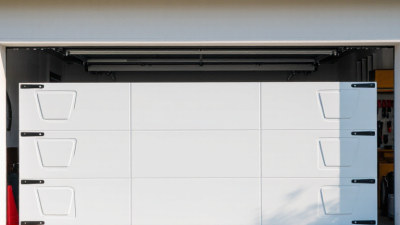
How a Built-In Garage Door Works

What Is a Garage Door With a Door Called?

How a Built-In Garage Door Works

A garage door with a built-in door is commonly called a wicket door or pedestrian access door. It places a smaller entry door inside an overhead garage door. People can enter without lifting the full panel. The system includes hinges, a lock, a threshold, weather seals, and an interlock. When the small door opens, the opener should remain inactive. Simple idea.

This safety feature matters because garage doors are heavy moving systems. The U.S. Consumer Product Safety Commission’s NEISS surveillance has historically recorded roughly 20,000 garage-door-related injuries each year. NFPA analysis of 2014–2018 data estimated 15,970 home structure fires began in garages annually. That figure does not make a built-in door fire-rated. Current UL 325 requirements focus on entrapment protection, while professional access-system guidance treats both doors as one coordinated assembly.

During installation, a technician aligns the pedestrian door carefully. Extra weight can distort sectional panels or affect spring balance. A sensor or mechanical interlock prevents powered movement while the latch is released. Seals close narrow gaps around the threshold. Otherwise, rain, dust, and cold air enter. The counterbalance may need adjustment afterward. One weak point is often the threshold, not the motor. A low threshold can catch a shoe in poor lighting. Technicians should test reverse action, interlock response, cable tension, hinges, and emergency release during scheduled inspections.

Key Differences Between a Garage Door and a Regular Entry Door

A garage door with a built-in smaller door is commonly called a pedestrian door, wicket door, or pass-through door. Names vary by region and installer. The smaller opening lets people enter without lifting the full garage door. That saves time and reduces unnecessary movement during daily use.

A garage door is designed for wide vehicle access. It often uses panels, tracks, rollers, springs, and an opener. A regular entry door has a simpler frame, hinges, handle, lock, and threshold. Their sealing systems also differ. Garage doors usually manage air, dust, and rain across a much wider surface. An entry door focuses on personal security, insulation, and frequent hand use. A built-in pedestrian door needs careful alignment with the larger door. If it is not fully closed, some openers may not operate safely. This detail is easy to overlook.

Tips: Check the door’s frame, hinges, weather seal, and locking points regularly. Keep the pedestrian door closed before operating the main garage door. Do not treat it exactly like a household entry door. Its lower threshold may collect grit, especially after wet weather. Labels can be inconsistent, too. Ask for the installation drawings and confirm the clear opening, emergency release, and maintenance requirements before choosing one. I used to assume every built-in door offered the same protection, but that is not always true. A careful inspection matters more than the name.

What Is a Garage Door With a Door Called? - Key Differences Between a Garage Door and a Regular Entry Door

Comparison Dimension Garage Door With a Built-In Door Regular Entry Door
Common Name Usually called a garage door with a pedestrian door, pass door, or wicket door. Typically called a pedestrian entry door, exterior door, or personnel door.
Primary Purpose Provides vehicle access while also allowing people to enter without opening the full garage door. Provides dedicated pedestrian access between an exterior area and an interior room.
Main Opening Size Designed to span a vehicle opening, commonly wide enough for one or more cars depending on the garage layout. Designed for people, commonly about 30 to 36 inches wide and approximately 80 inches high, although local standards and designs vary.
Door Configuration Combines a large overhead, sectional, rolling, or swing-style garage door with a smaller integrated pedestrian door. Usually consists of one hinged slab or a pair of hinged slabs mounted in a conventional door frame.
Vehicle Access Yes. The full garage door opens to create clearance for cars, trucks, or other large equipment. No. The opening is normally too narrow and too low for vehicle access.
Pedestrian Access Yes. The built-in door allows routine foot traffic without cycling the entire garage door. Yes. Pedestrian use is the door’s primary function.
Typical Construction Often uses insulated or non-insulated steel, aluminum, wood, or composite garage-door sections, with a framed pedestrian opening. Often uses wood, fiberglass, steel, or composite materials installed in a dedicated frame with hinges, a latch, and weather seals.
Operation The large door may operate manually or with an opener. The smaller door normally swings open on hinges. Normally opens and closes manually with hinges, a latch, and a lockset; some installations may include an automatic operator.
Safety Interlock Many systems require the built-in pedestrian door to be fully closed before the motorized garage door can operate, helping reduce the risk of movement with the smaller door open. Does not normally interact with a garage-door opener or overhead door safety circuit.
Weather Protection Can include perimeter seals, a threshold, and insulation, but performance depends on the door design and installation quality. Usually includes a dedicated sill or threshold, jamb weather-stripping, and a door sweep for improved air and water resistance.
Security Considerations Requires secure hardware for both the large garage door and the integrated pedestrian door. The smaller door should remain closed when the garage is unattended. Uses standard entry-door security hardware, such as a deadbolt, reinforced strike area, and suitable hinges.
Space Requirements Needs sufficient ceiling, side, and interior clearance for the selected garage-door mechanism and the swing path of the pedestrian door. Needs a wall opening, door frame, threshold, and enough clearance for the door slab to swing.
Energy Efficiency Insulated models can reduce heat transfer through the large opening, but the built-in door introduces additional joints and sealing points. Energy performance depends on the slab material, core insulation, glass area, frame, threshold, and weather-sealing system.
Best Use Case Useful when a garage needs frequent foot access and the user wants to avoid opening the full vehicle door each time. Best for everyday human entry where vehicle access is not required through the same opening.
Key Limitation The integrated design may require specialized installation, careful alignment, and compatibility with the garage-door opener and safety controls. Cannot replace a full-size garage door when vehicles or large equipment must pass through the opening.

Terminology note: A garage door that includes a smaller human-sized door is most commonly described as a “garage door with a pedestrian door.” Regional terms such as “wicket door” or “pass door” may also be used.

Benefits and Limitations of Garage Doors With Built-In Doors

What Is a Garage Door With a Door Called?

A garage door with a built-in door is commonly called a pedestrian door, wicket door, or pass door. It combines a large vehicle opening with a smaller walk-through entrance. This design helps when you need to enter the garage without lifting the full door. A homeowner can carry a toolbox, bicycle, or grocery bags through the smaller opening. That saves time and reduces unnecessary movement of the main door.

The main benefit is convenience. Frequent access becomes easier, especially during rainy weather or cold mornings. A properly fitted pedestrian door can also reduce heat loss compared with opening the entire garage. It may improve ventilation and provide a practical escape route during routine use. In real installations, the threshold, hinges, frame, and weather seals deserve close attention. Small gaps can let in water, dust, and winter drafts.

There are limitations. The built-in frame adds weight and complexity to the garage door. It may require stronger springs, reinforced panels, and more careful alignment. Poor adjustment can cause rubbing, uneven movement, or premature seal wear. The smaller doorway also reduces the clear opening for large equipment.

Regular inspection is wise. Check the latch, hinges, threshold, and closing force every few months. It is not a perfect solution. I have seen convenience overshadow maintenance needs. A qualified installer should confirm the door’s structure, insulation needs, and local building requirements before installation.

Factors to Consider Before Choosing This Garage Door Design

A garage door with a built-in pedestrian entrance is commonly called a garage door with a wicket door or pedestrian access door. This design lets people enter without lifting the full garage door. It can be useful when carrying groceries, checking equipment, or accessing a workshop several times daily.

Before choosing this design, measure the available wall and ceiling space carefully. The pedestrian door needs enough clearance to swing safely. Check whether shelves, vehicles, or stored tools could block its path. The surrounding garage door must also have strong framing, reliable hinges, and a secure locking system. A weak frame may lead to sticking, drafts, or uneven movement over time.

Weather sealing deserves close attention. Look for a raised threshold, flexible door seals, and protection against rainwater entering at floor level. Insulated construction can help control temperature, especially when the garage connects to living areas. However, the extra door section may add weight and maintenance needs. Inspect hinges, locks, seals, and alignment at least once a year. Local building requirements may also affect fire separation, ventilation, and emergency access, so confirm them before installation. It is easy to underestimate daily clearance. A design that looks convenient on paper may feel awkward beside a parked vehicle.