Top 10 Garage Door Installation Tips for Global Buyers
Buying a garage door across borders involves more than choosing an attractive panel. The installation process affects safety, insulation, durability, and daily convenience. Measurements, local climate, power supply, and building conditions can differ widely between markets. A door that performs well in a dry climate may struggle with coastal moisture or severe winter temperatures.
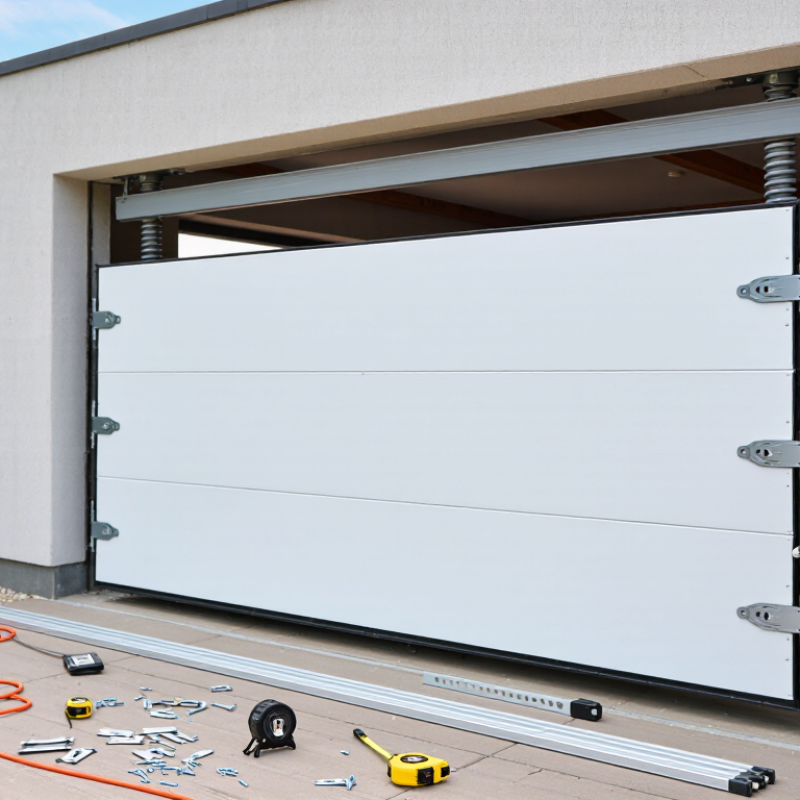
Home-improvement expert Mike Holmes describes the garage door as “the largest moving object in your home.” That observation deserves serious attention. A poorly balanced door can strain the opener, damage tracks, or create dangerous movement. Professional garage door installation begins with accurate opening measurements, level surfaces, suitable hardware, and a correctly matched spring system. Never guess about spring tension. This work requires trained handling.
This guide shares ten practical tips for global buyers. It covers product selection, shipping checks, installation planning, weather sealing, opener compatibility, and safety testing. Buyers should confirm regional standards and obtain advice from qualified local technicians. Requirements may vary.
Small details matter.
Inspect the package before signing for delivery. Photograph dents, missing brackets, and damaged panels. Keep the manual and warranty documents. Ask who will provide replacement parts after installation. This is often overlooked.
A reliable installation should include smooth manual movement, secure fasteners, balanced lifting, and tested auto-reverse protection. Still, no guide replaces an on-site assessment. Existing framing may be weaker than expected. I have seen projects delayed by one inaccurate measurement. That mistake is avoidable, but only when planning remains careful and honest.
Define Project Requirements and Local Building Constraints
Before ordering a garage door, define how the space will be used. Measure the opening width, height, depth, and available headroom. Record the floor slope, wall material, and nearby obstacles. A sketch helps. Decide whether the door serves daily parking, storage, workshop access, or emergency entry. These uses affect insulation, operating speed, ventilation, security, and maintenance needs.
Local building constraints can change the specification completely. Snow regions may require stronger structural support and higher load resistance. Coastal areas need protection against salt, moisture, and corrosion. Hot climates may demand reflective insulation and controlled ventilation. Check required permits, fire separation, wind ratings, drainage rules, and electrical standards with the local building authority. Do not assume a product accepted in one country meets another region’s requirements.
International buyers should keep measurements in both metric and imperial units. Send clear photos showing the lintel, side spaces, ceiling, and driveway slope. On-site surprises happen. A common mistake is ignoring the finished floor level before installation. I have seen this create poor seals and difficult vehicle access. Leave service space around the opener and confirm manual operation during power failures. Review the drawings with a qualified local installer before purchasing. Their feedback may challenge the original plan, which is useful. Good preparation is rarely perfect, but it makes costly changes less likely.
Select the Correct Garage Door Type, Size, and Material
Choosing a garage door starts with the opening, not the catalog picture. Measure width, height, side room, and headroom at least twice. A few millimeters can affect track alignment. Measure twice.
For frequent vehicle use, sectional doors usually provide smooth operation and good insulation. Roller doors save ceiling space, but their curtain needs accurate clearance. Swing or sliding doors can suit traditional buildings, although they require more driveway space. A single-car door may fit one vehicle, yet mirrors, storage, and future vehicle changes need extra planning. Do not order from nominal dimensions alone. An experienced installer should check the finished opening, floor level, lintel, and frame condition. In windy regions, ask for tested wind-load ratings suitable for the site.
Steel offers strength and low maintenance, but exposed scratches can rust without prompt repair. Aluminum resists corrosion near the coast and weighs less, though it can dent more easily. Wood gives natural character, but it needs regular sealing and careful moisture control. Fiberglass can imitate wood with less maintenance, yet extreme impact may crack some panels. Ask about panel thickness, coating details, hardware quality, and spare-part availability in your market. I once focused too heavily on appearance and underestimated headroom; the installation became needlessly expensive. That mistake is worth remembering.
Top 10 Garage Door Installation Tips for Global Buyers
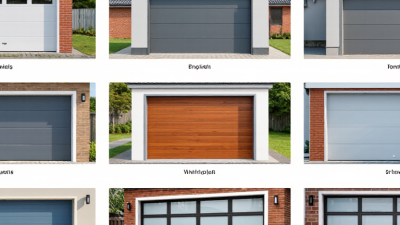
Select the correct garage door type, size, and material by comparing common residential opening dimensions.
Single-car doors are commonly available in 8–9 ft widths, while double-car doors are commonly 16–18 ft wide. RV and specialty openings may require approximately 10–12 ft widths and greater heights. Confirm the finished opening, headroom, side room, and local building requirements before ordering. Steel is widely selected for strength and low maintenance, aluminum for lighter weight and corrosion resistance, wood for appearance, and fiberglass for weather resistance.
Compare Suppliers, Certifications, Warranties, and Total Costs
Top 10 Garage Door Installation Tips for Global Buyers
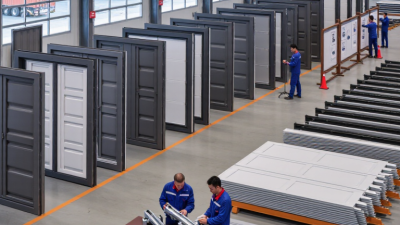
Supplier comparison should begin with documents, not product photos. Request the factory address, installation history, quality procedures, and export references. ISO 9001 certification can show controlled processes, but it does not guarantee perfect installation. Ask for test reports matching the exact door model, not a similar sample.
Safety compliance varies by destination. Check whether the door meets applicable standards, such as EN 13241 or recognized opener safety requirements. Confirm wind-load ratings, cycle testing, insulation values, and fire classifications where relevant. A practical inspection includes smooth manual lifting, balanced springs, secure track fasteners, and automatic reversal during obstruction testing. Small details matter.
Warranty language often hides the real cost. Separate coverage for panels, springs, motors, surface finish, labor, and shipping. Ask who pays for service visits and replacement freight. The 2024 Cost vs Value Report by Zonda recorded a 194% cost recouped for upscale garage door replacement in its United States sample. That figure is a benchmark, not a promise. Currency changes, local labor, taxes, permits, removal fees, and customs can alter the final price sharply. Request one landed-cost quotation. I would not trust the cheapest bid without a written exclusions list. Some quotes look clean because important items are missing.