Top 10 Types of Garage Door Panels for Global Buyers

Garage doors are no longer chosen by appearance alone. For global buyers, a garage door panel must balance insulation, strength, weather resistance, maintenance, and installation conditions. Market reports indicate steady growth in the garage door sector. Fortune Business Insights, in its Garage Door Market report, projects continued expansion through the early 2030s, supported by residential construction, renovation, and smart-home adoption. Grand View Research also identifies sectional, rolling, and insulated systems as important product segments. However, these reports use different market definitions. Their figures should guide decisions, not replace technical evaluation.

This guide examines 10 types of garage door panels, including steel, aluminum, wood, glass, fiberglass, vinyl, composite, insulated sandwich, flush, and raised-panel designs. Each option creates a different result. A steel panel may withstand daily impact near a busy driveway. A wood panel can add warmth, but it needs careful sealing in humid climates. A glass panel can brighten a workshop, although privacy and heat gain require attention. Small details matter. Check the panel thickness, core material, R-value, wind rating, hardware compatibility, and replacement availability. DASMA standards and International Door Association guidance provide useful benchmarks for safety and performance, but regional building requirements still differ.

Some buying advice sounds simple. It is not. A higher R-value may improve comfort, yet poor weather seals can reduce its practical benefit. A premium finish may fade under intense sunlight. Even attractive designs can fail when installers overlook drainage, hinges, or local wind exposure. This comparison therefore focuses on real-world use, documented specifications, and long-term value. No ranking is perfect. The right garage door panel depends on climate, budget, architecture, security needs, and maintenance expectations.
Top 10 Types of Garage Door Panels for Global Buyers

Garage Door Panel Basics: Materials, Construction, and Core Functions

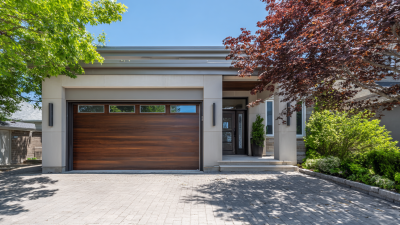
A garage door panel is more than a flat surface covering a vehicle opening. It forms the visible skin, supports hardware, limits heat transfer, and helps block wind, dust, and rain. For global buyers, material choice should follow climate, opening size, and maintenance capacity. Steel offers stiffness and broad availability. Aluminum reduces weight and resists rust, but it can dent more easily. Wood brings natural character, yet it demands regular sealing in wet conditions. Fiberglass and composite panels can imitate wood with less routine care.

Most sectional panels use sandwich construction. Two outer skins surround an insulating core, commonly made from polyurethane or polystyrene. Thicker cores usually improve thermal performance, though they may increase weight and cost. Panel joints include hinges, end caps, and reinforced edges. These details matter because weak joints can create noise, movement, or early wear. A smooth surface alone does not prove strong construction.

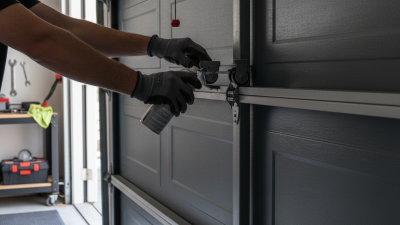
In field inspections, I check panel alignment, skin thickness, core density, and seal compression. Small gaps often reveal larger installation problems. Weather seals should touch evenly without excessive pressure. I once underestimated the effect of coastal air; ordinary steel showed corrosion sooner than expected. That experience changed my purchasing checklist. Buyers should also confirm compatibility with tracks, rollers, springs, and local servicing skills. No panel is perfect. The right design balances strength, insulation, appearance, repairability, and shipping weight.
The Top 10 Garage Door Panel Types by Design and Material

Top 10 Types of Garage Door Panels for Global Buyers

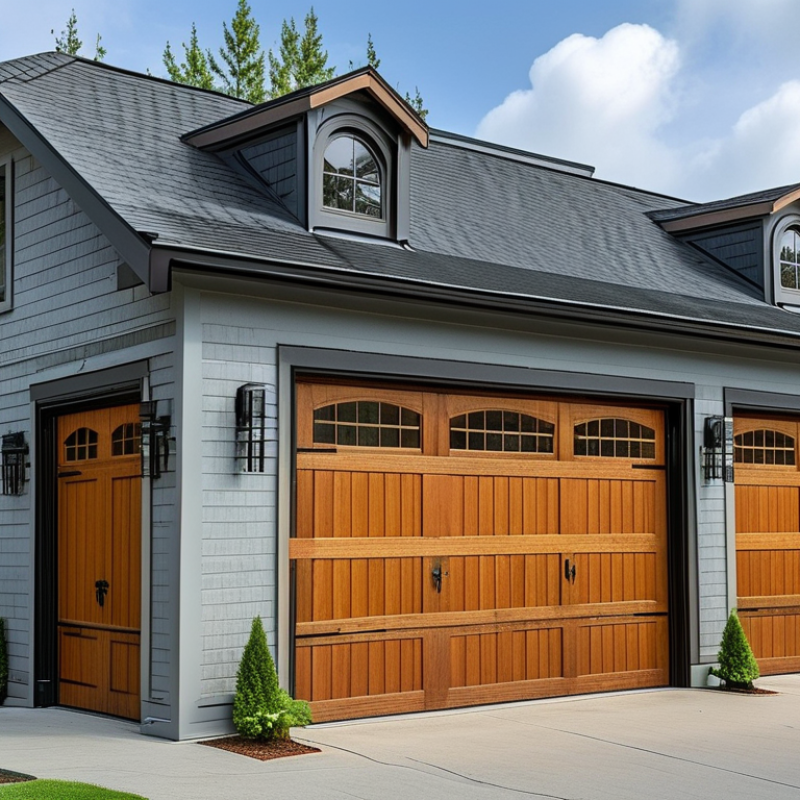
The top ten panel types differ by design, material, insulation, and climate suitability. Raised-panel steel remains practical for high-traffic homes because it resists dents and accepts durable coatings. Flush steel offers a cleaner façade. Carriage-house steel adds decorative overlays without the weight of solid timber. Ribbed steel suits industrial-looking buildings. Insulated sandwich panels combine steel skins with polyurethane or polystyrene cores. They feel warmer to the touch in winter.

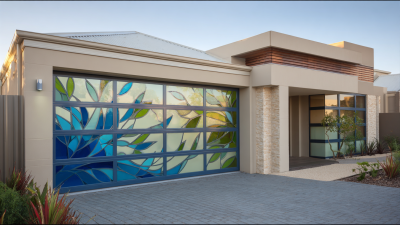
Full-view aluminum and glass panels bring daylight into garages, but they need stronger hardware and careful privacy planning. Solid wood panels provide natural grain and repairable surfaces, although moisture can cause swelling. Fiberglass imitates wood with lower maintenance. Composite panels resist rot and support traditional profiles. Thermally improved aluminum panels reduce weight, but their performance depends heavily on the glazing system and seals.

Market evidence supports practical selection. Grand View Research estimated the global garage door market at about USD 3.1 billion in 2023, with replacement demand contributing to future growth. The U.S. Department of Energy identifies air leakage as a major source of building energy loss, making perimeter seals and insulated panels important. DASMA technical guidance also stresses wind-load evaluation, especially for exposed coastal and storm-prone regions. A neat ranking is useful, but it is not absolute. A beautiful wood door may perform poorly in humid weather. A basic steel panel may deliver better value when insulation, hardware, and installation are specified correctly.

Top 10 Types of Garage Door Panels for Global Buyers - The Top 10 Garage Door Panel Types by Design and Material

No. Garage Door Panel Type Primary Material Typical Design Common Panel Thickness Insulation Options Main Advantages Key Considerations Suitable Applications
1 Raised-Panel Steel Galvanized or coated steel Rectangular raised sections with recessed borders Approximately 0.4–0.8 mm steel skin; 35–45 mm insulated panel depth Uninsulated, polystyrene, or polyurethane core Widely available, durable, economical, and suitable for many climates Steel can dent; surface protection is important in humid or coastal areas Residential garages, rental properties, and general replacement projects
2 Flush-Panel Steel Galvanized or painted steel Flat, clean-faced panels with minimal detailing Approximately 0.4–0.8 mm steel skin; 35–45 mm insulated panel depth Uninsulated, polystyrene, or polyurethane core Modern appearance, easy to combine with different exterior finishes Flat surfaces may show dents or reflections more clearly Contemporary homes, commercial buildings, and minimalist façades
3 Carriage-House Steel Steel, often with embossed wood-grain texture Decorative cross-bucks, vertical grooves, and heritage-style overlays Approximately 0.4–0.8 mm steel skin; 35–45 mm insulated panel depth Uninsulated, polystyrene, or polyurethane core Traditional appearance with lower maintenance than natural wood Decorative hardware can increase cost and cleaning requirements Traditional residences, farm-style homes, and renovation projects
4 Aluminum Full-View Aluminum frames with glass or polycarbonate glazing Large glazed sections with narrow horizontal frames Aluminum frame commonly about 1.5–3.0 mm; glazing varies by specification Insulated glass, acrylic, or polycarbonate glazing options Natural light, contemporary appearance, and corrosion resistance Lower privacy and insulation than solid insulated panels unless upgraded glazing is used Workshops, restaurants, showrooms, studios, and modern residences
5 Solid Wood Panel Natural timber such as cedar, redwood, or engineered wood Shaker, vertical-board, horizontal-board, or custom carved patterns Commonly about 19–38 mm, depending on construction Usually limited; insulated backing may be added separately Premium appearance, natural texture, and design flexibility Heavy; requires sealing, painting, or staining to reduce moisture movement Luxury homes, heritage properties, and custom architectural projects
6 Wood Composite Panel Engineered wood fibers, resin, or composite cladding Wood-look boards, recessed panels, or contemporary slat patterns Commonly about 12–25 mm facing material, often mounted on a structural door base May be combined with a steel door and foam insulation Consistent appearance, reduced natural movement, and lower maintenance than solid wood Edges and joints still require protection from prolonged moisture exposure Residential upgrades, semi-custom doors, and wood-style façades
7 Fiberglass Panel Glass-fiber-reinforced plastic, often over a steel frame Embossed wood grain, raised panels, or smooth molded surfaces Commonly about 2–5 mm fiberglass skin, excluding the supporting structure Foam insulation may be incorporated into the core assembly Resists moisture, rust, and many coastal-weather conditions Can crack under severe impact and may require specialized repairs Coastal homes, humid regions, and wood-look replacement projects
8 Vinyl-Faced Panel Vinyl exterior skin over steel, wood, or composite backing Textured wood-grain, carriage-house, or raised-panel designs Vinyl skin is commonly about 1–3 mm; total panel depth depends on the core Often paired with polystyrene or polyurethane insulation Low routine maintenance, moisture resistance, and color-texture variety Color matching can be difficult after long-term weathering; extreme heat may affect appearance Family homes, humid climates, and low-maintenance renovation projects
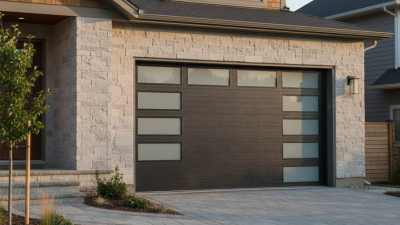
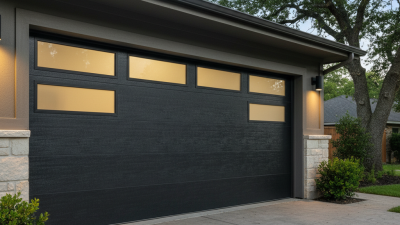
9 Glass-Insert Steel Panel Steel sections with decorative or functional glazing One or more window rows in square, rectangular, or arch-top layouts Approximately 0.4–0.8 mm steel skin; 35–45 mm insulated panel depth is common Insulated steel core with single, double, or privacy glazing Adds daylight and visual interest while retaining a solid-door structure Glazing affects privacy, thermal performance, security, and replacement cost Residential garages, attached garages, and rooms requiring daylight
10 Insulated Sandwich Panel Two metal skins with a polystyrene or polyurethane core Ribbed, flush, micro-groove, or wood-grain embossed surfaces Commonly 35–45 mm; higher-performance systems may be thicker Built-in polystyrene or polyurethane insulation Improved thermal separation, reduced noise, and greater panel rigidity Higher purchase cost and greater weight may require compatible springs and hardware Cold or hot climates, attached garages, workshops, and energy-conscious buildings

Note: Panel thicknesses are typical industry ranges and can vary according to construction method, structural requirements, local standards, glazing, and insulation specification.

Insulated and Non-Insulated Panels for Different Climates

Top 10 Types of Garage Door Panels for Global Buyers

Garage door panels must match the local climate, not just the building style. The ten common choices include steel sandwich, single-layer steel, aluminum, wood, composite, fiberglass, vinyl, glass, perforated metal, and hybrid panels. Among them, insulated and non-insulated designs serve very different conditions. Insulated panels usually contain polyurethane or polystyrene cores. They reduce heat transfer and can make an attached garage more comfortable.

In cold regions, insulated steel or composite panels help limit indoor heat loss. Their rigid cores also reduce panel movement during temperature changes. In hot climates, insulation slows radiant heat from reaching the garage interior. Light-colored exterior finishes may reduce surface heating. Coastal buyers should inspect coatings, fasteners, and seals for moisture resistance. A non-insulated panel can work well in mild climates, detached garages, or storage areas. It often costs less and weighs less. That sounds simple.

Door professionals should compare R-value, panel thickness, joint design, and local weather patterns. A high R-value alone does not guarantee good performance. Poor seals can waste the benefit. Glass panels provide daylight, but they may increase solar heat without suitable glazing. Wood offers warmth and character, yet it needs regular maintenance in wet conditions. I have seen buyers choose heavy insulation for a rarely used shed. It was technically strong, but not economical. The better decision considers daily use, heating needs, humidity, wind exposure, and installation quality. Climate advice should be checked locally, because assumptions can fail.

Top 10 Garage Door Panel Types for Global Climates

Typical nominal insulation values are shown as representative midpoints in R-value. Higher values generally improve thermal performance in cold and hot climates, while non-insulated panels are more suitable for mild climates or detached garages.

Actual performance varies by panel thickness, core material, glazing, seals, installation quality, and regional testing standards. R-values are representative and should be verified against the supplier’s technical specification.

How Security, Maintenance, and Durability Vary by Panel Type

Top 10 Types of Garage Door Panels for Global Buyers

Panel choice changes security, maintenance, and service life more than many buyers expect. Steel panels resist impact and forced entry well, especially with reinforced frames. Aluminum panels are lighter and resist rust, but they can dent more easily. Wood panels offer strong visual appeal and natural insulation. However, they need sealing, repainting, and careful moisture checks. Fiberglass panels handle humidity well, although severe impacts may cause cracking. Glass panels create a modern appearance but require laminated safety glazing and stronger hardware. Vinyl panels resist corrosion and routine scratches. They may become brittle in extreme cold. Composite panels imitate wood with less maintenance. Their durability depends heavily on the core material.

Insulated sandwich panels reduce heat transfer and can make the door feel more stable during operation. Flush panels have fewer decorative edges, so dust and water collect less easily. Raised-panel designs add depth but create more joints for cleaning and inspection. Security also depends on locks, hinges, tracks, and opener controls. A heavy steel panel is not automatically secure if the track is poorly anchored. Check panel thickness, reinforcement points, emergency release access, and hardware compatibility.

On a coastal installation I inspected, aluminum stayed clean while untreated wood began swelling near the bottom edge. That result was useful, but not universal. A shaded, dry property may favor wood, while a humid warehouse may need fiberglass or composite panels. Buyers should inspect seals each season, remove grit from tracks, and test balance before small problems become expensive repairs. Even durable panels can fail early when drainage, ventilation, or installation quality is overlooked.

How Global Buyers Can Compare Costs, Standards, and Suppliers

Top 10 Types of Garage Door Panels for Global Buyers

How Global Buyers Can Compare Costs, Standards, and Suppliers

Garage door panels vary widely in price, performance, and installation needs. Common choices include steel, aluminum, wood, composite, fiberglass, glass, vinyl, insulated, flush, and raised-panel designs. Steel usually offers practical durability, while wood creates a warmer appearance but needs regular maintenance. Glass panels can increase daylight, yet they may require stronger frames and careful packaging.

Small details matter.

Compare the full landed cost, not only the factory quotation. Include panel price, tooling, protective film, export packaging, freight, insurance, duties, and local installation.

Ask suppliers for thickness, core density, surface treatment, and weight per square metre. A low quote may exclude hinges, seals, or replacement parts.

It happens more often than buyers expect.

Standards also need local verification. Check wind-load ratings, thermal performance, corrosion resistance, safety features, and required test reports for the destination market.

Request production samples, dimensional tolerances, batch photos, and inspection records. An independent pre-shipment inspection can reveal dents, uneven paint, or weak packaging.

Supplier evaluation should cover factory capacity, lead time, minimum order quantity, warranty terms, communication speed, and after-sales support.

Do not rely on polished catalogues alone.

A supplier may meet one standard but fail another. Recheck the specification before signing, especially when translating technical terms.