Top Garage Door Parts Suppliers Worldwide?
Finding dependable garage door parts suppliers worldwide is more difficult than comparing prices on a product page. A replacement spring, roller, hinge, or opener component must match the door’s weight, dimensions, cycle rating, and operating environment. Small errors can cause noisy movement, premature wear, or unsafe failure. This guide introduces leading suppliers by examining product depth, manufacturing consistency, technical support, and delivery reliability.
Practical experience matters here. A supplier may list thousands of parts, yet still lack the exact cable drum needed for an older commercial door. Reliable companies provide clear specifications, installation guidance, compatibility charts, and responsive after-sales assistance. Their catalogs should identify materials, dimensions, load ratings, and applicable door systems. Independent certifications and traceable quality procedures add confidence, although certificates alone cannot replace careful verification.
Real purchasing decisions also involve stock accuracy, packaging, regional shipping, and return policies. A well-packed torsion spring should arrive protected from moisture and impact, not loose inside a thin carton. No supplier is perfect. Some offer excellent engineering but limited regional inventory; others ship quickly but provide weaker documentation. That trade-off deserves attention. The comparison ahead focuses on suppliers that demonstrate credible industry experience, professional knowledge, and dependable service across different markets. Readers should still confirm measurements and safety requirements with a qualified technician before ordering or installing critical parts. Brands, models, and availability can change, so this review remains useful only when checked against current supplier information.
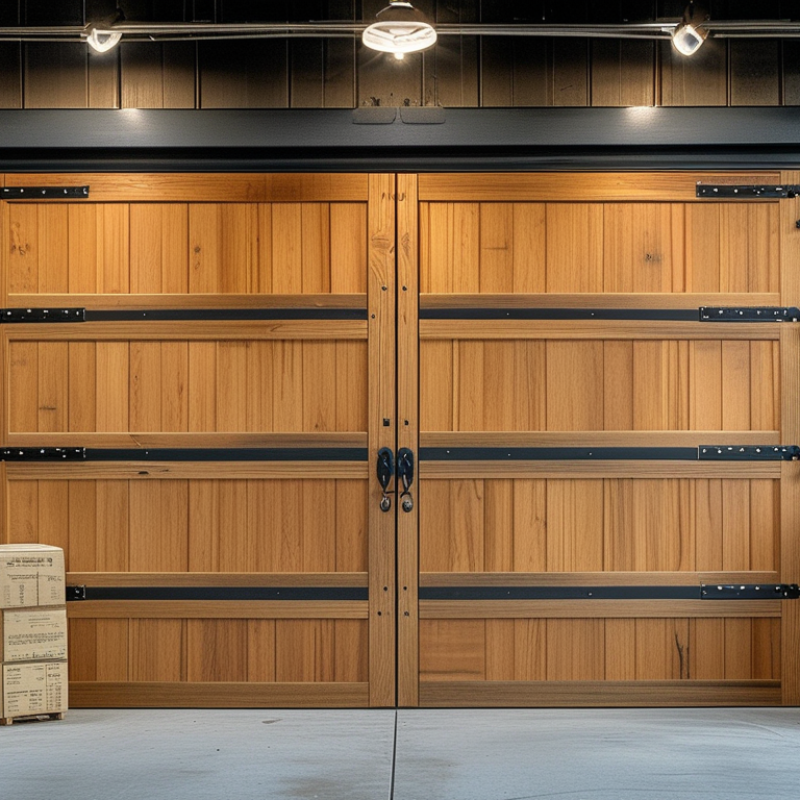
Global Market Scope: Garage Door Parts Demand, Trade Flows, and 2024 Data
Top Garage Door Parts Suppliers Worldwide?
Global Market Scope: Garage Door Parts Demand, Trade Flows, and 2024 Data
The 2024 garage door parts market remained driven by repairs, housing upgrades, and commercial maintenance. Demand centered on springs, rollers, cables, tracks, hinges, seals, and electric operators. Replacement work often moved faster than new construction. A damaged roller can stop a warehouse door within minutes.
Trade flows were concentrated across East Asia, Europe, and North America. East Asian factories supplied large volumes of standardized hardware. European and North American distributors often added testing, packaging, and technical support. Regional suppliers also served urgent repair demand, where delivery speed mattered more than the lowest price.
Public customs data requires careful reading. Many tariff codes combine complete doors, components, and miscellaneous hardware. Exact 2024 part values are therefore difficult to isolate. That weakness matters. A supplier may appear large because its shipments include unrelated metal goods. Buyers should compare product specifications, failure rates, warranty terms, and documented shipment records.
Practical purchasing checks include spring cycle ratings, cable diameter, corrosion resistance, and motor compatibility.
Warehouse conditions change the answer. Coastal sites need stronger corrosion protection, while cold regions may require flexible seals.
Some market reports sound precise, but their methods remain unclear. That deserves scrutiny.
Experienced buyers usually request samples, installation instructions, and batch-level quality records before committing to regular imports.
Global Supplier Shortlist: Chamberlain, Hörmann, Clopay, and Overhead Door
Choosing reliable garage door parts suppliers requires more than comparing prices. A practical global shortlist should include four established supplier profiles: a high-volume opener specialist, a European door-system manufacturer, a North American sectional-door producer, and a commercial access-equipment provider. Their strengths differ across motors, springs, rollers, panels, sensors, and replacement seals. Fortune Business Insights estimates the global garage door market will continue expanding through 2032, supported by residential construction and replacement demand. That growth increases supplier choice, but also creates inconsistent specifications.
Professional buyers should verify cycle ratings, material grades, warranty terms, and regional certifications. The International Door Association stresses proper installation and routine inspection because cables, springs, and lifting hardware store dangerous energy. Supplier documentation should state torque limits and compatible control systems clearly. Vague compatibility claims are a warning sign. I have seen a low-cost roller fail early because its bearing rating was never checked. Small detail, big repair.
Tips: Build a comparison sheet before ordering. Record door weight, track dimensions, spring measurements, voltage, and climate exposure. The U.S. Department of Energy notes that better-sealed garage doors can improve thermal performance, especially where garages connect to living areas. Ask suppliers for test standards, spare-part availability, and delivery times. Independent reviews help, but they are imperfect evidence. A supplier may perform well in one climate and poorly in another. Recheck every measurement. Mistakes happen.
Common Residential Garage Door Sizes Worldwide
The chart compares representative residential garage door opening sizes commonly specified in North American and international markets. Single-car doors are typically 8–9 feet wide, while double-car doors are commonly 16–18 feet wide. A standard residential height of 7 feet is shown for comparison; actual dimensions vary by region, building design, and manufacturer.
Compliance Benchmark: UL 325, ANSI/DASMA 102, CE, and ISO 9001
Top Garage Door Parts Suppliers Worldwide?
For global buyers, compliance should guide supplier selection, not merely price or delivery speed. UL 325 evaluates safety requirements for door and gate operators, including entrapment protection and control systems. ANSI/DASMA 102 focuses on sectional garage door construction, performance, and testing details. These benchmarks help buyers compare suppliers using measurable evidence.
CE marking indicates conformity with applicable European Union requirements, but it is not a universal quality certificate. Ask for the technical file, risk assessment, declaration of conformity, and relevant test records. ISO 9001 shows that a supplier operates a quality management system. It does not guarantee that every component is defect-free. That distinction matters. A reliable supplier should also provide batch traceability, inspection records, material specifications, and clear installation instructions. Small gaps can become expensive failures.
Tips:
Request recent, product-specific documents. Check whether certificates match the exact model and factory location. Review safety testing before approving samples. A factory may pass an audit yet struggle with design changes. Recheck compliance after modifications. This step is often missed. Keep written records of approvals, corrective actions, and production checks. Compliance is a continuing process, not a certificate stored in a folder.