Top 10 Tips for Garage Door Fixing You Must Know?
Garage door fixing is essential for maintaining safety and security at home. According to a recent industry report by the International Door Association, 70% of garage doors fail due to lack of maintenance. Regular inspections and timely repairs can prolong the life of your garage door. Expert Bob McNair, a garage door technician with over 15 years of experience, states, “Small issues can escalate quickly if not addressed.”
Understanding the common problems with garage doors can save homeowners time and money. For instance, malfunctioning openers and misaligned tracks are frequent issues. These problems often stem from neglect or lack of knowledge about proper maintenance practices. Even seasoned DIYers can find garage door fixing challenging. Having the right resources is critical.
In a world where convenience often trumps caution, many overlook garage door care. Yet, ensuring your door functions properly can prevent accidents and costly repairs down the line. Ignoring minor repairs can lead to bigger, unexpected problems. Investing time into learning effective garage door fixing techniques pays off in the long run.
Essential Tools for Garage Door Repair Success
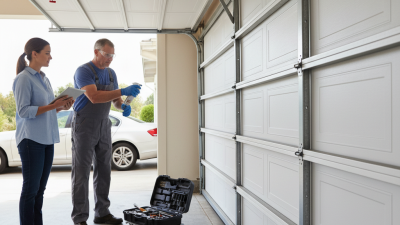
Essential tools for garage door repair can make a significant difference in your outcomes. The garage door industry reports that improper tools account for nearly 30% of repair failures. Having the right equipment ensures efficiency and safety. Basic tools such as a torque wrench, a socket set, and pliers are essential. They help accurately adjust springs and rollers.
In addition to the basics, specialized tools can enhance your repair process. A cable tension gauge aids precision in cable adjustments. According to a recent survey, homeowners with tools designed for specific tasks report a 45% success rate in DIY repairs. When working on garage door systems, attention to detail is critical. Often, neglecting small issues leads to larger problems.
Safety is paramount in garage door repair. Wearing safety glasses and gloves can prevent injuries. The U.S. Consumer Product Safety Commission indicates that injuries from improper repairs are increasing. It is easy to overlook personal safety in the process. Taking the time to prepare properly can save you from serious harm.
Common Garage Door Problems and Their Symptoms
Garage doors can be a source of frustration when they malfunction. Understanding common problems and their symptoms is essential. A door that won’t open or close can indicate an issue with the opener or the remote control. Check the batteries and ensure nothing is blocking the door path. If the door opens partway, a broken spring could be the culprit. Look for signs of wear; if springs are stretched or rusted, it’s time for a replacement.
Another frequent issue is noisy operation. Loud grinding or rattling sounds often signal that rollers need lubrication. Dirt and debris can also hinder smooth function. A simple cleaning can sometimes resolve these problems. If the door is misaligned or off-track, it might require some adjustments. This can lead to more severe issues if not addressed promptly, including complete failure of the door mechanism.
Safety is crucial when inspecting these problems. Always remember to disconnect the power before attempting repairs. Garage doors can be heavy and dangerous. It's important to seek professional help if you are unsure. Taking your time to understand these symptoms can save you money and stress in the long run.
Top 10 Tips for Garage Door Fixing You Must Know
| Common Problem |
Symptoms |
Fixing Tips |
| Door Won't Open |
No response from the motor |
Check the power supply and remote batteries. |
| Door is Off Track |
Door moves unevenly or gets stuck |
Realign the rollers and tracks carefully. |
| Noisy Operation |
Loud grinding or squeaking noises |
Lubricate the moving parts with suitable grease. |
| Slow Response Time |
Delay in door opening or closing |
Inspect the remote control and sensors for obstructions. |
| Door Closes Partially |
Stops and opens again after closing |
Check for obstructions in the door's path. |
| Remote Not Working |
Remote buttons unresponsive |
Replace batteries and check for interference. |
| Spring Issues |
Door is heavy to lift manually |
Schedule a professional spring repair or replacement. |
| Weather Seal Damage |
Air leaks or water ingress |
Replace worn or damaged weather stripping. |
| Sensor Malfunction |
Light indicators blinking |
Clean sensors and ensure alignment. |
| Physical Damage |
Dents, cracks or warps visible |
Consult a technician for repair or replacement. |
Step-by-Step Guide to Fixing a Garage Door Opener
Fixing a garage door opener can seem daunting. It’s essential to start with a clear understanding of the problem. Many owners face issues like a door that won’t open or close. Sometimes, the remote control may not work. In these cases, check the batteries first. A simple battery replacement often resolves the issue.
Once you confirm the batteries are fine, inspect the opener unit itself. Look for any visible damage or loose parts. Ensure that the sensor lights are functional. If the sensors are misaligned, the garage door may not operate correctly. Adjust them carefully until they are aligned. If the chain or belt shows wear, consider tightening or replacing them.
Regular maintenance can prevent many issues. Clean the tracks and lubricate moving parts. Periodic checks can save you from larger problems down the line. However, some fixes might require professional assistance. If you find yourself stuck, it’s okay to seek help. Knowing your limits can avoid further complications. A well-functioning garage door is worth the effort.
Safety Precautions When Repairing Your Garage Door
When it comes to garage door repairs, safety is paramount. Before starting any work, ensure you have the right tools and protective gear. Wear safety goggles and gloves to protect yourself from sharp edges or falling objects. Taking simple precautions can make the difference between a successful fix and an injury.
Always disconnect the power supply before working on your garage door. This prevents unexpected movements that could lead to accidents. Inspect the area for loose wires or broken springs, and handle these parts carefully. If you aren’t sure how to fix something, it’s okay to take a step back. Sometimes, seeking professional help is the better choice.
While you may feel confident tackling minor repairs, remember that neglecting safety can lead to serious mishaps. Consider working with a partner, especially when dealing with heavy components. Communication is key; inform your partner of your actions to avoid surprises. Reflect on your approach and be aware of your limits. A cautious mindset will lead to a safer and more effective repair process.
Preventative Maintenance Tips for Longer Garage Door Life
Garage doors are vital to home security and convenience. Regular maintenance can significantly extend their life. Here are some preventative maintenance strategies that every homeowner should consider.
Checking the balance of your garage door is essential. An imbalanced door can strain the opener, leading to early failure. Disconnect the opener and manually lift the door halfway. If it doesn’t stay put, your door requires adjustment.
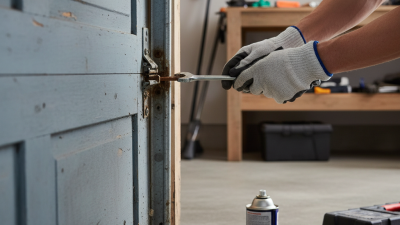
Lubricating the moving parts is another crucial step. Use a silicone-based lubricant on rollers, hinges, and tracks. Avoid overuse, which can attract dust. It’s important to be consistent. A well-lubricated door operates smoothly and quietly.
Inspecting the door for wear is equally important. Cracks or rust can signal problems. Make a habit of assessing the door every few months. Don’t wait for a breakdown to handle issues. This proactive approach can save money and ensure safety.
Top 10 Tips for Garage Door Fixing You Must Know
This bar chart illustrates the importance level of various garage door maintenance tips, rated on a scale from 1 to 10. Regular maintenance and testing safety features rank the highest in importance, ensuring a longer lifespan and safer operation of your garage door.