Maintaining the garage door is crucial for home safety and convenience. A recent report by the International Door Association revealed that nearly 30% of homeowners face issues with their garage doors every year. Proper maintenance can prevent these costly problems. Expert Mike Smith, a seasoned technician in the garage door industry, emphasizes, "A little care goes a long way in extending the life of the garage door."
Regular inspection and maintenance are essential. Factors like humidity and temperature changes can affect the performance of the garage door components. Simple steps such as lubricating moving parts and checking for wear can save you money in the long run. However, many homeowners neglect these tasks. They tend to overlook the garage door, treating it as a mere entryway instead of a vital part of their home security.
Understanding how to maintain the garage door isn’t just about preserving your investment; it's about ensuring safety. When a garage door fails, it can pose risks to both property and family. An informed approach toward garage door care is necessary for every homeowner. By following industry best practices, you can avoid the frustration of unexpected breakdowns.
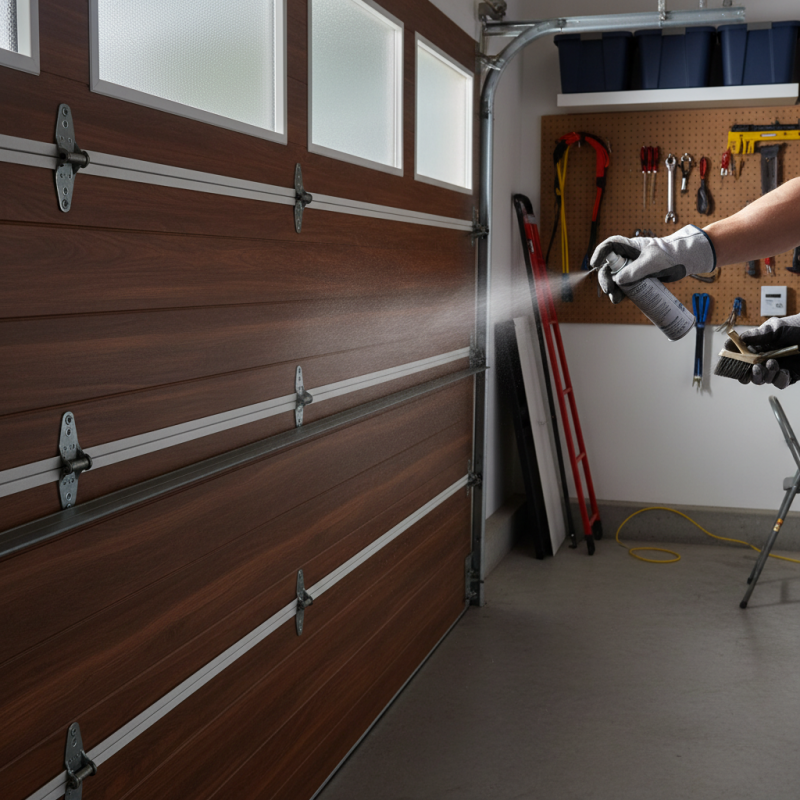
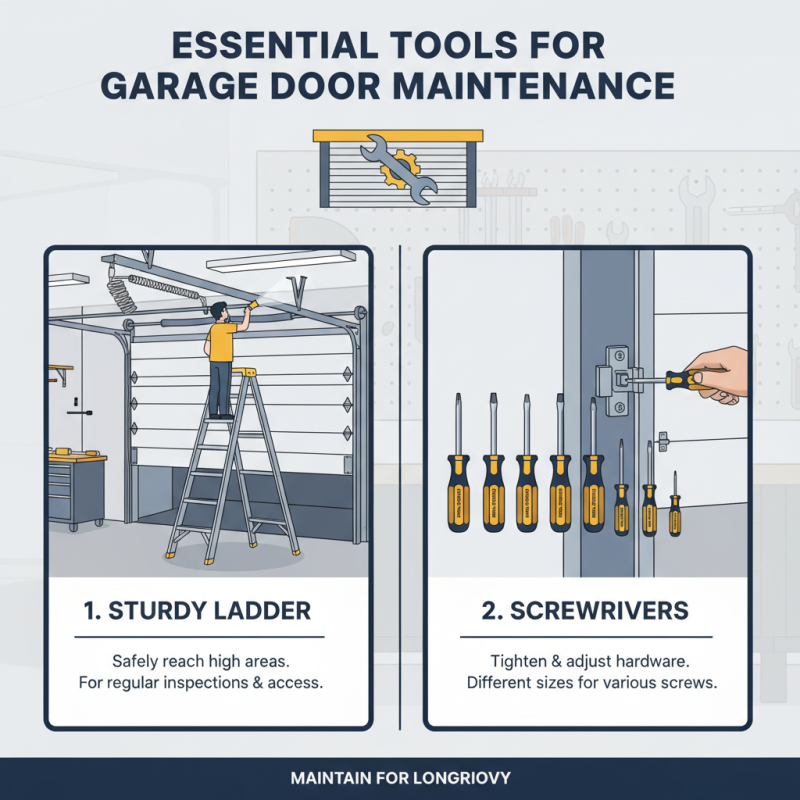
Maintaining your garage door is crucial for its longevity. To do this, you need some essential tools. The first tool is a sturdy ladder. It allows you to reach high areas safely. Regular inspections require this equipment. A good set of screwdrivers is also necessary for tightening or adjusting hardware. Different sizes will help with various screws.
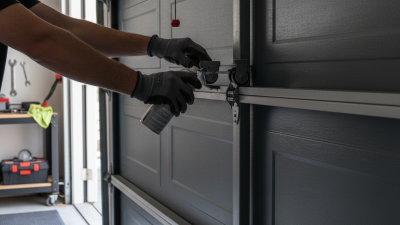
Lubrication is vital for smooth operation. For this task, silicone spray is excellent. It reduces friction and prevents rust. Additionally, a pry bar can help you adjust panels or fix minor alignment issues. Remember, a mallet can be handy for gentle tapping to achieve a better fit.
Additionally, having a flashlight can make a difference. It helps check for damage in low-light areas. Always keep your toolbox organized for quick access during maintenance. Take time to reflect on your regular checks. A few minutes can save a costly repair later. Not everyone appreciates the importance of this upkeep. It's easy to neglect. However, staying diligent ensures your garage door functions properly.
Understanding garage door components is crucial for effective maintenance. The garage door itself is the main part, but it cooperates with several key components. These include springs, tracks, rollers, and an opener. Each of these parts plays a vital role in the door's operation.
The springs, for instance, counterbalance the weight of the door. They can wear over time, causing potential issues. If you notice your door is slow to open, the springs might need inspection or adjustment. Tracks guide the door's movement, and misalignment can hinder its performance. Regularly checking the tracks for obstructions is essential for smooth operation.
Rollers allow the door to move along the tracks. They can accumulate dirt and debris, which can cause them to stick. A simple cleaning can prevent bigger problems later. Lastly, your door opener controls the entire system, and its reliability is key. If the door doesn't respond, it might be time to troubleshoot the opener. Reflecting on these components can help prevent unexpected failures. Keeping your garage door in good shape requires attention to all these details.
Inspecting your garage door regularly is essential for its longevity. A comprehensive inspection should occur every month. This helps to identify issues before they become major problems. Studies show that well-maintained garage doors can last over 30 years. That's significantly longer than those that receive little attention.
Pay attention to the garage door’s balance. Disconnect the opener and lift the door manually. It should remain open at about half-height. If it falls, the springs might be worn. Also, look for rust, especially if the door is metal. This is a common issue, with 25% of homeowners reporting rust-related problems. Check all hardware, such as hinges and rollers. These small parts greatly impact the door's functionality.
Additionally, listen for unusual noises during operation. Strange sounds might indicate wear or misalignment. Knowing what to look for can save you time and money. Investing time in routine inspection is crucial. If you find issues, address them promptly for a safe, effective garage door.
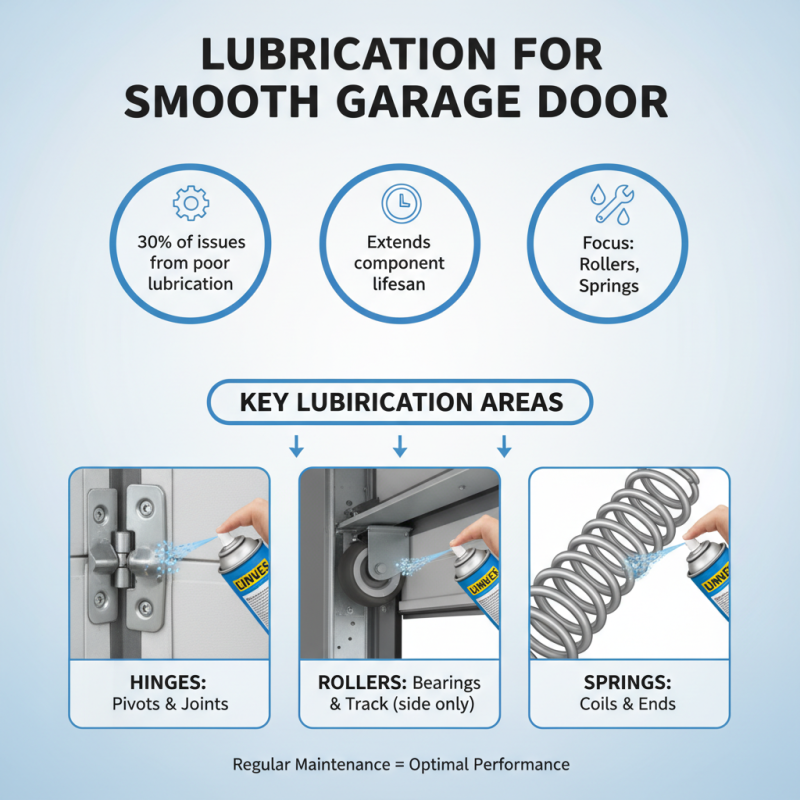
Lubrication is crucial for ensuring smooth garage door operation. According to industry studies, nearly 30% of garage door issues stem from inadequate lubrication. The right lubrication techniques can extend the lifespan of your garage door components significantly. For optimal performance, focus on key areas like hinges, rollers, and springs, which require regular attention.
When lubricating, use a silicone-based or lithium grease. Avoid using WD-40; while it's a great cleaner, it doesn’t provide lasting lubrication. Apply grease sparingly to rollers, ensuring the doors glide effortlessly. Industry experts recommend every six months as a good baseline for maintenance. However, the frequency can vary based on usage and environmental conditions.
Remember, too much lubrication can attract dust and dirt, creating more issues. Neglecting lubrication can lead to noisy operation and premature wear. Regularly inspecting these components is essential. Pay attention to signs of wear or abnormal sounds, which may indicate deeper problems. Keeping a detailed maintenance log can also help track your garage door's performance over time. This proactive approach can prevent costly repairs.
A malfunctioning garage door can pose serious safety risks. It's important to recognize when you need professional help. If your door doesn't open or close smoothly, that's a clear red flag. Listen for unusual noises like grinding or squeaking, which indicate mechanical issues that need immediate attention.
You might notice gaps between the door and the floor. This can lead to security problems. Also, if the remote control works sporadically, it’s time to call an expert. Faulty sensors are often to blame, and they can compromise safety. Rust or wear on the tracks signals other underlying issues that need fixing.
Ignoring these signs can lead to bigger problems down the road. A garage door that sticks may seem minor, but it could lead to costly repairs later. Trust your instincts; if something feels off, it probably is. Seeking help early can save you time and money. A professional can provide the expertise needed to ensure your garage door operates smoothly and safely.
| Tip | Description | Signs to Call a Professional |
|---|---|---|
| Regular Cleaning | Clean the tracks and door surface to remove dirt and debris. | Persistent dirt buildup that you cannot remove. |
| Lubrication | Lubricate moving parts like springs and rollers to ensure smooth operation. | Noisy operation or squeaking sounds during movement. |
| Inspect Safety Features | Test the auto-reverse feature and sensors for proper functioning. | Safety features are unresponsive or malfunctioning. |
| Check Alignment | Ensure the door is properly aligned with the tracks. | Visible misalignment or the door getting stuck. |
| Replace Weather Stripping | Inspect and replace worn weather stripping to improve insulation. | Drafts or water leakage when it rains. |
| Tighten Hardware | Check and tighten all screws and nuts to prevent loose parts. | Frequent need to tighten hardware despite regular checks. |
| Monitor Cables & Springs | Inspect cables and springs for wear and tear or fraying. | Visible damage or unusual sounds from the spring mechanism. |
| Check Remote & Keypad | Test remote and keypad functionality regularly. | Remote/keypad failure to operate the door. |
| Schedule Professional Inspections | Have a professional inspect the door annually. | Recurring issues despite maintenance efforts. |
| Stay Aware of Aging Components | Monitor the age of components like motors and springs. | Components failing frequently due to age. |