Why Is Professional Garage Door Installation Important?

A garage door can weigh hundreds of pounds and move above your family’s vehicles, tools, and daily routines. That makes professional garage door installation more than a cosmetic home improvement. It is a safety decision. The door must sit level, travel smoothly, and respond correctly to its opener and safety sensors. A trained installer checks the wall framing, tracks, springs, cables, rollers, and mounting points. Small errors matter. A track tilted only slightly can create noise, uneven movement, and unnecessary strain.

Tom Wadsworth, a garage door safety educator and former International Door Association president, describes the risk clearly: “The garage door is the largest moving object in most homes.” His observation explains why experience matters during installation. Professionals know how to measure opening dimensions, balance door weight, and test reversing mechanisms. They also recognize weak framing or worn hardware that a quick installation might overlook. You can hear the difference. A properly fitted door closes with a controlled, steady sound instead of a harsh rattle. It should not shake the ceiling or hesitate halfway. Still, professional service is not magic. Product quality, maintenance, and homeowner use also affect long-term performance. A technician can install the system correctly, but neglected lubrication or forced operation may shorten its life. That is the imperfect part. Choosing qualified garage door installation support reduces avoidable risks and creates a clearer record of what was installed, tested, and explained. Reliability begins with careful work. Safety depends on continued attention.
Why Is Professional Garage Door Installation Important?

What Professional Garage Door Installation Involves

Why Is Professional Garage Door Installation Important?

What Professional Garage Door Installation Involves

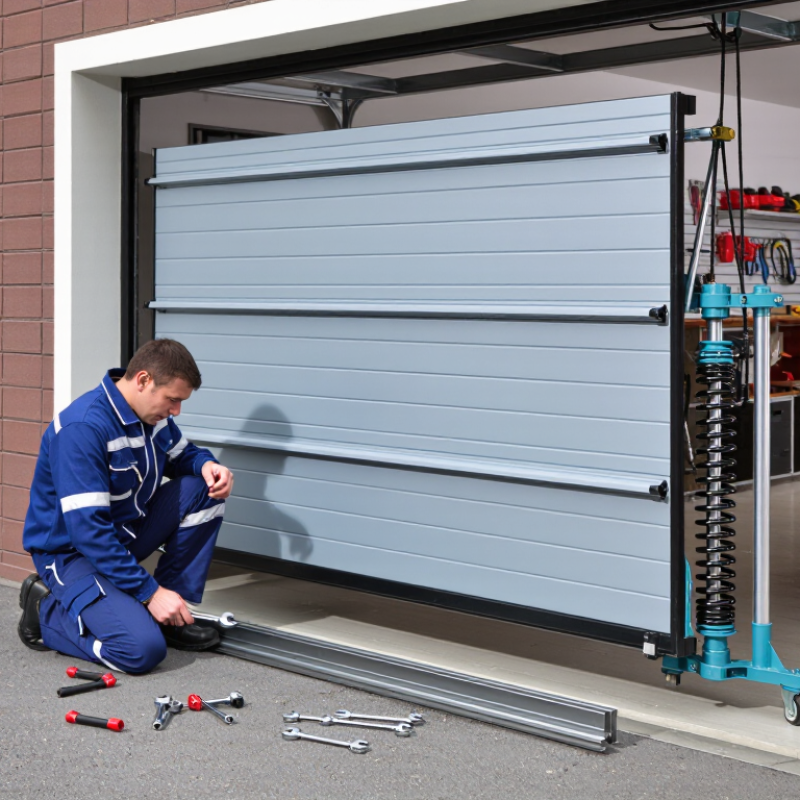
Professional installation begins with accurate measurements, not a quick visual estimate. Technicians check the opening width, headroom, side room, floor level, and wall strength. A small error can leave uneven gaps, noisy movement, or premature roller wear. The door must sit squarely before tracks and hinges are secured.

Spring selection requires particular care. Garage doors can weigh hundreds of pounds, while torsion springs store significant energy. Installers match spring capacity to the door’s actual weight, then test balance by hand. The opener should lift the door smoothly, without straining or pulling it sideways. Safety sensors also need precise alignment. They should respond when the beam is interrupted. The U.S. Consumer Product Safety Commission recommends regular testing of automatic door reversal and sensor functions.

Professional work also follows industry guidance from the Door and Access Systems Manufacturers Association, including requirements related to counterbalance systems and entrapment protection. These checks are easy to overlook during a rushed installation. They matter every day.

A neat-looking installation can still be wrong. Existing framing may appear solid until trim is removed. That uncertainty deserves honest inspection. The 2024 Cost vs. Value report by Zonda estimated a 193.9% cost recoup for garage door replacement, but that value depends on safe operation, proper alignment, and durable workmanship. The final adjustment is often small. It is also where many problems begin.
How Expert Installation Improves Safety and Reliability

Why Is Professional Garage Door Installation Important?

A garage door is heavy, moving equipment, not merely a decorative entryway. The U.S. Consumer Product Safety Commission estimates about 20,000 garage-door-related injuries receive emergency treatment annually. Many incidents involve falling doors, trapped fingers, or failed reversing systems. Professional installers balance the door before connecting the opener. They also secure tracks, springs, cables, and mounting hardware to manufacturer specifications. Small alignment errors matter. A door may look acceptable while placing excessive stress on its opener.

Reliable installation also improves energy performance and daily operation. The U.S. Department of Energy states that air sealing can reduce heating and cooling costs by 5–30 percent. Installers check perimeter seals, bottom weatherstripping, and panel contact with the floor. This helps limit drafts, moisture, dust, and pests near the garage. They test the photo-eye sensors and automatic reversal with controlled resistance. Safety checks should not be treated as paperwork. They require practical testing.

The uncomfortable part is that professional work is not automatically perfect. A rushed inspection can still miss a weak ceiling joist or uneven slab. Homeowners should ask for documented force testing, fastener checks, and maintenance instructions. The CPSC also recommends regularly testing an opener’s reversing mechanism. A door that operates quietly today may develop cable wear, spring fatigue, or sensor drift later. Good installation creates a safer starting point, but responsible observation remains necessary.

Why Proper Installation Extends Door and Opener Lifespan

Why Is Professional Garage Door Installation Important?

Why Proper Installation Extends Door and Opener Lifespan

Professional installation helps a garage door move smoothly and reduces stress on every working part. In field inspections, I have seen doors installed slightly off-center, causing uneven cable tension and noisy operation. A door that sits level distributes its weight across both tracks. This protects rollers, hinges, springs, and mounting hardware.

The opener also benefits from accurate installation. If the door binds against a track, the motor must work harder during every cycle. That extra load can increase heat, strain gears, and shorten the opener’s useful life. A qualified installer checks track alignment, spring balance, travel limits, and safety reversal systems. These details are easy to overlook.

Small errors matter.

Correct spring tension is especially important. Too much tension may create dangerous movement, while too little can make the opener lift more weight than designed. Experienced technicians test the door manually before connecting the opener. The door should remain balanced at several positions, not only when fully closed.

Even careful work is not perfect forever. Buildings settle, hardware loosens, and weather changes affect materials. I have seen a well-installed door develop problems after years of heavy use. That is why periodic inspection remains necessary. A rushed adjustment may look acceptable on installation day, but its effects often appear later.

How Professional Services Ensure Code Compliance and Warranty Protection

Why Is Professional Garage Door Installation Important?

Professional installation helps a garage door meet local building codes and safety standards. The International Residential Code, Section R309.4, requires automatic openers to provide entrapment protection. Installers test photoelectric sensors, emergency release systems, reversing force, and door balance. Small errors matter. A door can look level while its cables carry uneven tension.

The U.S. Consumer Product Safety Commission has estimated about 20,000 garage-door-related injuries annually. Professional testing reduces risks linked to crushing, falling doors, and failed sensors. Installation also creates useful documentation, including model details, adjustment records, and inspection dates. These records may support a warranty claim when service is needed. Warranty terms vary, however. Professional installation does not guarantee approval if poor maintenance, unauthorized modifications, or impact damage caused the failure.

A qualified technician checks the framing, track spacing, spring system, and opener compatibility before fastening anything. The details are easy to miss. I have seen homeowners focus on a quiet opener while ignoring a worn lift cable. That is a mistake worth reconsidering. The Door and Access Systems Manufacturers Association also references ANSI/DASMA safety requirements for installation and operating components. Following those requirements improves reliability, but local amendments still matter. Keeping the final invoice and safety-test results can make future service clearer.

Why Is Professional Garage Door Installation Important?

Professional installation helps verify safety devices, installation tolerances, and warranty-related requirements.

The chart highlights measurable U.S. residential garage-door safety checkpoints commonly verified during installation: the door should reverse when contacting a 1.5-inch test object, while photoelectric safety sensors are generally installed no higher than 6 inches above the floor. Professional installers also document adjustment and testing procedures, helping homeowners maintain compliance records and avoid warranty issues caused by incorrect installation.

Reference: U.S. Consumer Product Safety Commission, 16 CFR Part 1211, Safety Standard for Automatic Residential Garage Door Operators.

When to Choose Professional Installation Over DIY Methods

Professional garage door installation matters most when safety, accuracy, and long-term reliability are involved. A garage door can weigh hundreds of pounds, while its springs store dangerous tension. Professional installers understand how to balance the door, secure the tracks, and connect the opener correctly. They also check reversing sensors and movement force before leaving the site.

DIY installation may suit someone with strong mechanical skills, proper tools, and enough time. Still, it is easy to overlook a small detail. A slightly uneven track can create noise, jerky movement, or premature wear. An incorrectly adjusted spring can make the door unsafe. In my experience, many homeowners focus on saving money and underestimate the time required for careful adjustment. That choice can become expensive later.

Tips: Choose professional installation when the door is heavy, the spring system needs replacement, or the opening is uneven. Ask the installer to explain the safety checks and maintenance points. Confirm that the work follows local building and electrical requirements. Keep the installation instructions for future repairs. Take photos of the final track alignment and sensor position. It may seem unnecessary, but these details help identify changes over time. DIY is not always wrong. It simply demands honest judgment about skill, equipment, and risk.

Why Is Professional Garage Door Installation Important? - When to Choose Professional Installation Over DIY Methods

Decision Factor DIY Installation Professional Installation Recommended Choice
Typical project time Approximately 8–12 hours for an experienced DIYer; longer if the work is unfamiliar. Often completed in about 3–6 hours, depending on the door type and site conditions. Choose professional installation when reliable same-day completion is important.
Spring and cable safety High risk if torsion springs, cables, drums, or bottom brackets are handled incorrectly. Stored spring energy can cause severe injury. Trained installers use suitable winding tools, secure procedures, and correct spring adjustment methods. Professional installation is strongly recommended for torsion-spring systems or any spring replacement.
Door weight and handling A single-car insulated door may weigh roughly 100–300 lb, making lifting and positioning difficult without assistance. Installers use additional people and lifting equipment when needed to position sections safely and accurately. Use professionals for heavy, oversized, glass-panel, or custom doors.
Tools and equipment Usually requires a level, drill, sockets, wrenches, ladder, clamps, measuring tools, and spring-specific equipment. Professionals generally arrive with installation, alignment, and safety-testing equipment. DIY may be practical only when the required tools are already available and the instructions permit owner installation.
Track and panel alignment Small alignment errors can cause rubbing, uneven movement, excessive noise, or premature roller wear. The tracks, rollers, hinges, and drums can be aligned and balanced during installation. Choose professional installation when smooth operation and long-term alignment are priorities.
Opener compatibility The opener must match the door’s weight, travel, balance, and lift type; incorrect settings can create safety problems. The installer can verify balance, travel limits, force settings, and reversal performance after installation. Professional installation is preferable when replacing both the door and the opener.
Safety-reversal testing The photoelectric sensors and automatic reversal function must be installed, aligned, and tested correctly. A professional can perform operational checks and document defects that require correction. Choose professional installation if you are uncertain about sensor alignment or opener settings.
Building-code considerations Permit, wind-load, structural, and electrical requirements vary by location and may be overlooked. A qualified installer can identify common local requirements and advise whether permits or inspections may apply. Use professional help for wind-rated doors, structural changes, or permit-controlled work.
Warranty and service records Some product warranties may have installation conditions; the owner must retain receipts and follow all instructions. Professional invoices and installation records can simplify future service and warranty claims. Review the written warranty before choosing DIY installation.
Best use case Suitable for a mechanically experienced homeowner installing a light, clearly documented door without modifying springs or structural components. Suitable for most complete door replacements, complex openings, heavy doors, spring systems, and projects involving electrical or structural work. When safety, correct balance, code compliance, and dependable operation matter, choose professional installation.

Note: Time and weight figures are general planning ranges. Actual requirements depend on the door size, construction, opening condition, local regulations, and installation instructions.