A garage door can weigh hundreds of pounds, and its springs and cables store considerable force. When it sticks halfway, makes a sharp grinding sound, or leaves a gap beneath the seal, choosing the right garage door technician matters. The wrong choice can mean an incomplete repair, a wasted appointment, or a door that still feels unsafe.
Industry data offers useful context, but not a simple ranking of local contractors. The U.S. Bureau of Labor Statistics groups garage door work within broader installation, maintenance, and repair occupations; its outlook cannot verify any individual technician’s skill. The Door and Access Systems Manufacturers Association (DASMA) publishes safety guidance for residential garage doors and operators. That guidance reinforces a practical point: these systems require careful handling, not guesswork. Look for relevant experience, clear written estimates, appropriate insurance, and a willingness to explain the repair before work begins.
Small checks help. Ask who will arrive, what parts are included, and whether the warranty covers labor. Then compare the answers, not just the prices. A low quote may leave important details unclear. One limitation deserves honesty: without a verifiable source, I won’t invent a quotation or attribute a sentence to a named garage door technician. The seven methods below focus instead on evidence homeowners can confirm, from referrals and credentials to reviews and direct questions. Some checks take only minutes. That time can prevent a costly mistake.

Before calling a garage door technician, describe the problem precisely. Note whether the door stops halfway, moves unevenly, makes a scraping sound, or reverses unexpectedly. Include when it happens and whether the wall control and remote behave differently. A short video can help, but keep people and pets clear. Details make estimates more useful.
Then check the opener’s safety reversal. The U.S. Consumer Product Safety Commission recommends testing this feature regularly. Place a flat, solid object about 1.5 inches high on the floor beneath the door’s path. Close the door using the opener. When the door touches the object, it should reverse direction. Keep your hands away from the moving door. If it does not reverse, stop using the opener and arrange a qualified repair. Do not try to adjust high-tension springs yourself.
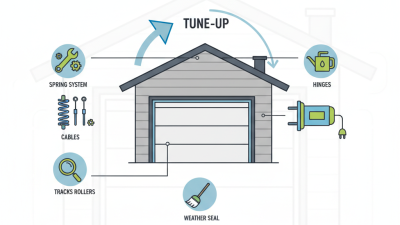
Ask prospective technicians whether their visit includes checking the reversal system, sensors, tracks, and door balance. Request a written estimate that separates parts and labor. A door that looks aligned may still be unsafe; appearances can fool you. I might once have blamed a noisy roller alone, but a noise does not identify the cause. Ask what was tested and why the proposed repair addresses the symptom.

A garage door that jerks, scrapes, or stops halfway can turn an ordinary morning into a safety concern. The IDA Dealer Locator can help you find nearby professionals and build a practical shortlist. Search by location, then note each technician’s service area and contact details. A directory is a starting point, not a quality guarantee.
Call two or three candidates and describe the problem clearly. Mention details such as a loose cable, a loud bang, or a door that feels unusually heavy. Ask whether they regularly handle your door type and whether they inspect springs, tracks, and safety sensors during a service visit. Check carefully. Request a written estimate that separates the diagnostic fee, parts, and labor. Ask about insurance and any workmanship warranty, too.
Before booking, compare how clearly each person answers your questions. A rushed phone estimate may change after inspection, so ask what could affect the final cost. I would not choose on price alone; a vague answer about a heavy door gives me pause. Ask for specifics. Keep the shortlist, estimates, and appointment notes together, then choose the technician whose scope and timing are clear.
Before booking a garage door technician, check whether your area requires a trade license. Rules differ by location, so confirm requirements with the relevant local licensing office. Ask for the technician’s license number, then verify that it is current and covers the work you need. A repair involving springs or cables can carry serious injury risks. A polished estimate proves very little.
Request proof of liability insurance and workers’ compensation coverage. Don’t rely only on a photo of a certificate; contact the insurer or issuing agent to confirm the policy is active. Check that the business name matches the company sending the technician, and ask whether coverage applies to your type of repair. Workers’ compensation can help protect you if an employee is hurt on the job, while liability insurance may address accidental damage to your property. Details matter.
Read the dates and limits carefully. If a policy expires next week, ask for updated proof before work begins. For a small household repair, it may feel awkward to ask these questions, but a reputable professional should answer without pressure. I would also keep the written estimate and insurance details together; paperwork is easy to misplace when a noisy door finally works again. These checks cannot guarantee perfect workmanship, but they give you a clearer basis for choosing whom to trust.
| # | What to Check | How to Verify | What to Look For |
|---|---|---|---|
| 1 | Verify licensing requirements | Ask for the technician’s or contractor’s license details, then check them with the relevant state, provincial, or local licensing authority. | Licensing rules vary by location and type of work. Confirm that any required license is current and covers the work being performed. |
| 2 | Confirm general liability insurance | Request proof of current coverage and, if needed, ask the insurer or agent to confirm the policy directly. | Check the policy dates and whether the coverage is appropriate for the job. A certificate of insurance is evidence of reported coverage, not a substitute for confirmation from the insurer. |
| 3 | Check workers’ compensation coverage | Ask whether workers’ compensation applies to the technician and any crew members, and request proof when coverage is required. | Requirements depend on local law, worker status, and business structure. Verify requirements with the appropriate labor or insurance authority rather than assuming an exemption applies. |
| 4 | Get a written estimate before work begins | Ask for an itemized estimate describing the inspection, labor, parts, fees, and any conditions that could change the price. | Compare the scope and exclusions, not just the total. Have any added work and price changes approved in writing before proceeding. |
| 5 | Check recent customer feedback and references | Review several recent, independent customer accounts and ask for references for similar garage door work. | Look for consistent comments about communication, punctuality, workmanship, and how concerns were resolved. Treat unusually uniform or unverifiable reviews cautiously. |
| 6 | Ask about relevant repair experience | Describe the door or opener problem and ask how the technician would inspect it, identify the cause, and explain the proposed repair. | A qualified professional should be able to explain the work and safety risks clearly. Garage door springs and other high-tension components can cause serious injury and should not be handled as a casual DIY task. |
| 7 | Review the warranty and payment terms | Ask for written details covering parts, labor, warranty duration, exclusions, payment timing, and the process for requesting warranty service. | Make sure the terms match the estimate and invoice. Be cautious about pressure to pay the full amount upfront before the agreed work is completed. |
A written estimate makes it easier to compare garage door technicians fairly. FTC contractor guidance recommends getting more than one estimate and checking a contractor’s credentials before agreeing to work. Ask each technician to describe the same repair, so a low price does not simply reflect fewer services. Details matter.
The estimate should list labor, parts, service-call fees, and any extra charges that could arise. For a door that jerks or hangs unevenly, ask whether the price covers inspecting the tracks, cables, springs, and opener. Get the expected timeline and warranty terms in writing, too. A handwritten total is not enough. Keep the estimate and any later changes.
Read the figures side by side, but do not treat the lowest number as the automatic winner. One estimate may include replacement parts; another may only cover adjustment. It is easy to miss that difference when a door is stuck and the garage is exposed to rain. I would slow down, even if that feels inconvenient. Ask for unclear items to be explained before work begins, and make sure the final written agreement matches what you discussed.
When comparing garage door technicians, ask them to check the photo-eye sensors, not just the opener. These small units sit on opposite sides of the door, near the floor. Their lenses should be no more than six inches above the floor. A tape measure makes this check simple. Small detail, real value.
Ask the technician to confirm that both sensors face each other and their indicator lights remain steady. Dust, a bumped bracket, or sunlight can affect the beam. A quick visual check can feel reassuring, but it is not a full safety inspection. The technician should test the door’s response with an obstruction in the beam path and explain what happens if the beam is interrupted.
Notice how the technician works. Do they measure from the actual floor, check alignment, and describe any adjustment before making it? Those are useful signs of care. If a sensor sits too high, ask why it was placed there and whether it can be safely repositioned. I might be tempted to nudge a bracket myself, but even a small change can leave the beam misaligned. Ask for a clear explanation and a final demonstration before the visit ends.
Check local licensing requirements, confirm insurance, request a written estimate, ask about experience with your door type, review references, compare warranty terms, and verify that the technician checks the safety sensors.
Safety measurements to confirm: Photo-eye sensors should be installed no more than 6 inches above the floor. For the opener’s reversal test, a 1.5-inch-high object, such as a 2×4 laid flat, is commonly used. Ask the technician to demonstrate that the door reverses when the test is performed.