How to Choose an Overhead Garage Door in 2026?

Choosing an overhead garage door in 2026 is about more than matching the house. The right door should suit the opening, daily routines, local weather, and available budget. A heavy insulated door may help a heated garage, while a lighter model can be adequate for storage. Measure the opening, headroom, and side clearance before comparing styles. Small differences matter. An installer can confirm measurements and check the tracks, springs, and opener for compatibility.

Garage-door industry educator Tom Wadsworth has long shared practical guidance with the trade. Paraphrased, his useful message is: “Choose a door for fit, function, and safe operation—not appearance alone.” Treat that as a decision rule, not a substitute for a site inspection. A door with attractive windows may admit unwanted heat or reduce privacy. Steel, wood, and composite options also differ in maintenance needs, dent resistance, and feel. Ask about insulation ratings, wind-load options, warranties, and the cost of repairs. Details count.

This guide will compare materials, insulation, design, safety features, and installation considerations for an overhead garage door. It will also explain which questions to ask before accepting a quote. One easy detail to miss is headroom around the ceiling tracks. Another is how often the door will cycle each day. Even careful buyers can overlook a trade-off. A quiet opener, for example, cannot compensate for an unbalanced door. Get the door and its hardware assessed together, and request clear written specifications before deciding.
How to Choose an Overhead Garage Door in 2026?

Understand the Main Types of Overhead Garage Doors

How to Choose an Overhead Garage Door in 2026?

Understand the Main Types of Overhead Garage Doors

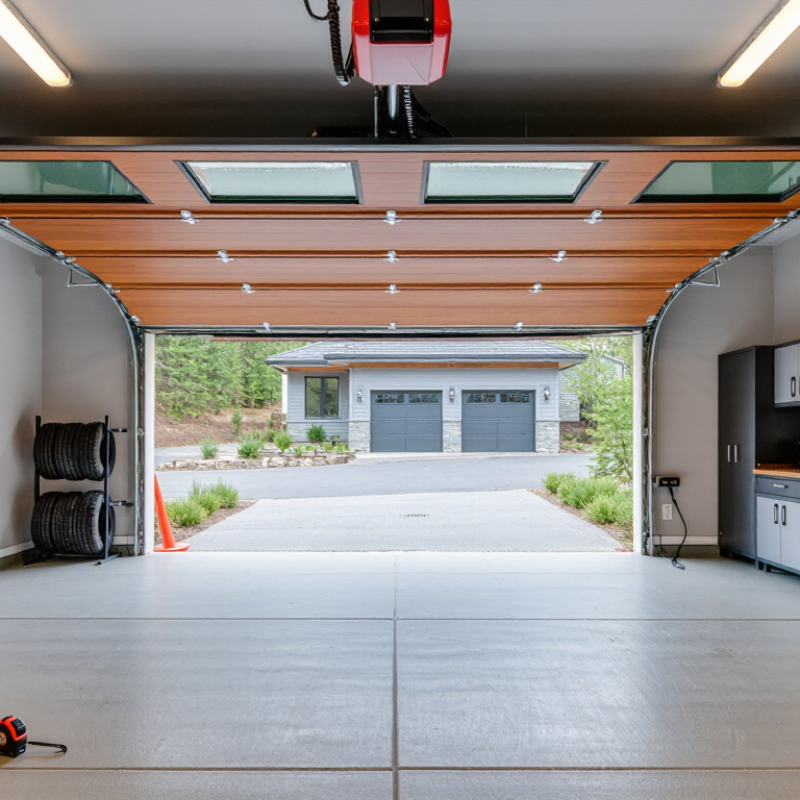
Sectional doors use several horizontal panels joined by hinges. They travel upward along tracks and rest beneath the ceiling. This design suits many homes with limited driveway space, since the door does not swing outward. Check the ceiling clearance, though; lights, storage racks, or a low beam can interfere with the tracks. Small details matter.

A one-piece tilt-up door pivots outward, then lifts overhead as a single panel. It has fewer moving sections, but needs clear space in front of the garage while opening. A rolling door, often used where headroom is tight, coils into a compact roll above the opening. Its slats and mechanism need periodic inspection to keep movement smooth. Not every garage suits it.

Compare the available opening space, ceiling height, and daily use before choosing a type. A sectional door may be convenient, but its tracks need room and clean alignment. A tilt-up model can feel simple, yet a sloped driveway may make its outward swing awkward. Measure carefully, and have a qualified installer assess track support and spring balance. Appearance is only part of the decision; the best fit can be less obvious than expected.
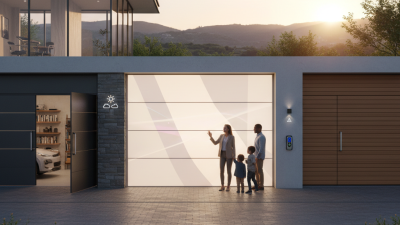
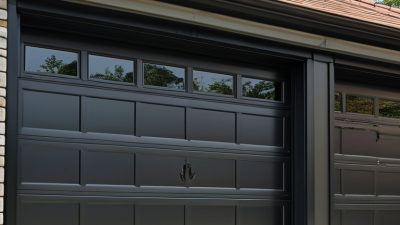
Measure the Garage Opening and Assess Site Conditions

A reliable door choice starts with the actual opening, not its stated size. Measure the width at the top, middle, and floor, then measure the height on both sides and in the center. Use the smallest readings when checking product dimensions. Small differences matter. Also note whether the floor is level and whether the side jambs are plumb; a sloping slab can leave an uneven gap beneath the door.

Check the space above and beside the opening, plus the clear depth inside the garage. Tracks, springs, and an opener need room to operate. Look for ceiling lights, pipes, shelves, and beams that could interfere. Measure the tallest vehicle, including roof racks, and leave practical clearance. Measure twice. It is easy to trust one tidy reading, but an opening can look square while its framing is not.

Site conditions affect both fit and durability. Note direct rain, standing water, coastal humidity, and strong wind exposure. These details can influence material and hardware choices, though they do not replace local professional advice. Take clear photos and write down every measurement. Home measurements are useful, but they can be imperfect; have an installer verify the opening and available clearances before ordering.

Compare Door Materials, Insulation, and Durability

An overhead garage door is a large moving surface, so its material affects daily use as much as appearance. Steel is common because it resists routine knocks and needs little upkeep. It can dent, though, especially near the lower panels where bikes or bins often bump it. Aluminum weighs less and resists rust, but thinner panels may feel less solid in windy conditions. Wood offers a warm, natural look. It needs regular attention to paint or finish, particularly where rain reaches the edges.

Insulation matters most when the garage shares a wall with living space or holds temperature-sensitive items. Compare the door’s stated R-value, but also inspect its perimeter seals. A well-insulated panel cannot prevent drafts if daylight shows beneath the door. Foam-filled steel panels often provide a practical balance of stiffness and heat control. Still, insulation is not a substitute for sound installation. Small gaps can undo part of the benefit.

Durability depends on more than the panel material. Check hinge and track construction, finish quality, and whether replacement sections are available. In a damp climate, look closely at coatings and exposed fasteners; in a sunny one, consider fading and heat exposure. It is tempting to choose the thickest door available, but added weight can require compatible springs and hardware. That detail is easy to overlook. Measure the opening, note nearby moisture and temperature swings, and match the door to how the garage is actually used.

Evaluate Operating Systems, Safety, and Smart Features

Choose an overhead door by matching its operating system to your garage and daily routine. A sectional door on tracks needs clear ceiling space; a tilt-up design may suit a simpler opening. Check headroom, side clearance, door weight, and how often the door will cycle. Ask the installer to explain the spring system and its maintenance needs, not just the opener’s speed. Quiet matters at night.

Safety depends on correct installation and regular checks. Look for photo-eye sensors that stop or reverse the door when something crosses the opening. Test the auto-reverse function according to the manual, and keep sensors clear of dust, leaves, and storage bins. A door that jerks, hangs unevenly, or makes a new grinding sound needs attention. Don’t adjust high-tension springs yourself; that work can be hazardous.

Smart features are useful when they solve a real problem. App alerts can show whether the door is open, while remote access helps when a delivery arrives. Check what happens during a Wi-Fi outage, whether access can be shared securely, and how software updates are handled. More features are not always better. I’d compare everyday reliability before paying extra for voice control or detailed activity logs; those can feel impressive, then go unused.

Check Costs, Installation Needs, and Maintenance Requirements

When comparing overhead garage doors, price the complete installation, not just the door panel. Include tracks, springs, hardware, removal, and opener adjustments; limited headroom or an uneven opening can add labor. Remodeling magazine’s 2024 Cost vs. Value Report estimated an upscale garage-door replacement at $4,513, with $8,751 in resale value and a 194.3% cost recouped. That is a national estimate, not a promise: local labor, materials, and project scope change the final bill. A tempting low quote may omit disposal or repairs. Check the details.

Before ordering, measure the opening, side room, and clearance above the door. Ask the installer to confirm that the tracks, spring system, and opener suit the door’s weight and your garage layout. Insulation can matter if the garage shares a wall with living space, but it may not justify extra cost in a detached, unheated garage. Small distinction. Ask who handles permits where required, cleanup, and adjustments after installation; get those terms in writing.

Maintenance is part of ownership. DASMA’s consumer safety guidance recommends testing an automatic door’s reversal system monthly and visually checking the door and hardware. Keep tracks clear, but do not adjust high-tension springs yourself. They can cause serious injury. Schedule professional service if the door jerks, hangs unevenly, or makes new grinding sounds. I would not skip routine checks just because the door looks fine; quiet problems can become expensive ones.

How to Choose an Overhead Garage Door in 2026? — Costs, Installation Needs, and Maintenance Requirements
Planning guide for a typical 16 × 7 ft double garage door in the United States. Prices are approximate 2026 planning ranges in USD; local labor, door size, wind-load requirements, finishes, and existing hardware can change the final quote.
Door type Typical installed cost Insulation and energy considerations Installation needs Routine maintenance Typical service life Best suited for
Non-insulated steel $800–$1,800 Little thermal resistance; may allow more heat transfer and noise. Usually a straightforward replacement if the opening, tracks, and framing are in good condition. Check the steel gauge and corrosion protection. Inspect rollers, cables, springs, and weather seals; clean the surface and address scratches to limit rust. About 15–25 years, depending on construction, climate, and use. Budget-conscious projects and garages that are not temperature-controlled living spaces.
Insulated steel $1,200–$3,000 Insulation can reduce heat transfer and operating noise. Compare stated R-values; higher values generally indicate greater resistance to heat flow. The heavier door may require appropriately rated springs, tracks, and an opener. Confirm the opening is square and the framing is sound. Check seals and hardware periodically; keep the door clean and have spring balance assessed if operation changes. About 15–25 years, with hardware and spring life affected by cycle frequency. Attached garages, colder or hotter climates, and households seeking a quieter door.
Aluminum or glass-panel $2,500–$7,000 Many designs have limited insulation unless insulated panels or glazing are specified. Glass can increase solar heat gain and reduce privacy. Confirm panel and glazing weight, opener capacity, track compatibility, and local wind-load requirements. Consider privacy and safety glazing where appropriate. Clean glass and frames with suitable products; inspect seals, fasteners, and frame finish for wear or damage. About 15–25 years; glass, seals, and finish may need attention sooner. Contemporary designs and garages where natural light is a priority.
Wood $2,500–$7,000+ Insulation varies by construction. The door’s mass can help limit some sound, but does not replace a rated insulated core. Often heavier than steel; verify spring and opener capacity. Allow for careful fitting and any required finishing or sealing. Inspect and renew paint, stain, or protective coating as needed; check for moisture damage, warping, and loose joints. About 15–30 years with consistent protection and repairs. Projects prioritizing a natural appearance and willing to budget for more upkeep.
Fiberglass or composite $1,800–$4,500 Insulation depends on the panel core. Some finishes resemble wood without the same routine refinishing needs. Check panel construction, frame compatibility, and wind-load rating. Confirm replacement sections are available for the chosen design. Wash periodically and inspect for cracks, fading, seal wear, and hardware issues; repair impact damage promptly. About 15–25 years, depending on exposure and product construction. Homeowners seeking lower routine refinishing effort and a wood-like appearance.
Before choosing: Measure the opening and headroom, compare written quotes that itemize removal and installation, and check local wind-load and building-code requirements. Garage-door springs and cables are under high tension; leave adjustments and repairs to a trained technician. The service-life figures are approximate, not guarantees.