Top 10 Garage Door Maintenance Tips Every Homeowner Needs

A garage door often works quietly until one morning it refuses to move. Then, a small neglected hinge can become a serious inconvenience. This guide, “Top 10 Garage Door Maintenance Tips Every Homeowner Needs,” focuses on practical care before problems become expensive.

Garage door industry expert Jeff Benach has said, “The garage door is the largest moving object in your home.” That simple warning deserves attention. A typical door rises and lowers several times daily, while rollers, springs, cables, and tracks handle constant pressure. Regular garage door maintenance can reveal frayed cables, loose bolts, cracked rollers, or unusual grinding sounds early.

You will learn how to inspect these parts safely and when to stop. Never adjust torsion springs casually. Their stored energy can cause severe injury. Instead, observe their condition and contact a qualified technician when repairs exceed basic cleaning and visual checks. Test the auto-reverse feature with a solid object, and keep children away from moving hardware.

Look closely.

A dry roller may squeak before it fails. Dust can gather inside the track like fine sand, forcing the opener to work harder. Wipe the tracks, lubricate approved moving parts, and check weather seals against daylight. However, not every noise signals disaster, and not every quiet door is healthy. That is where judgment matters.

No checklist is perfect. Homeowners may overlook a bent bracket or misread a spring problem. These ten tips offer a dependable starting point, not a substitute for trained inspection. Consistent attention, careful testing, and timely professional help can keep your garage door safer and more reliable.
Top 10 Garage Door Maintenance Tips Every Homeowner Needs

Garage Door Safety Checks and Essential Tools

Top 10 Garage Door Maintenance Tips Every Homeowner Needs

Garage Door Safety Checks and Essential Tools

A safe garage door check starts with observation. Stand clear and watch the door open and close twice. Listen for grinding, popping, or uneven movement. These sounds often reveal worn rollers, loose hinges, or cable problems. Keep hands away from moving joints and never place fingers between door sections.

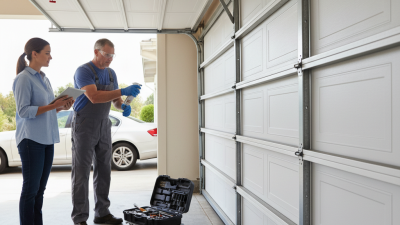
Use a flashlight to inspect tracks, rollers, cables, hinges, and mounting brackets. A soft cloth, household lubricant suitable for garage doors, gloves, and a sturdy step ladder are useful tools. Disconnect the opener’s power before checking fixed parts. Then test the emergency release only when the door is fully closed. Place a solid object beneath the door and test its reversing function. Never use your foot or hand.

Tips: Check the photo-eye sensors for dust and alignment. Their lights should respond consistently. Tighten only visibly loose hardware, and avoid adjusting springs or lifting cables. Those parts store dangerous tension and require qualified service. I once focused on the noisy opener and missed a frayed cable. That mistake taught me to inspect the entire system, not just the loudest component. Record unusual changes, even if the door still works. Small problems can become sudden failures.
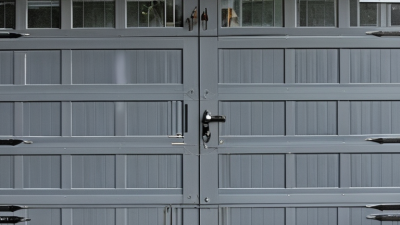
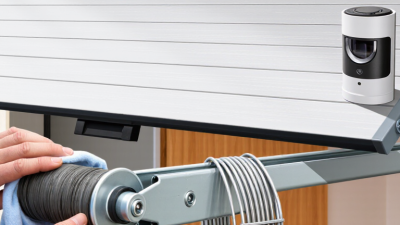
Inspecting and Cleaning Tracks, Rollers, Hinges, and Hardware

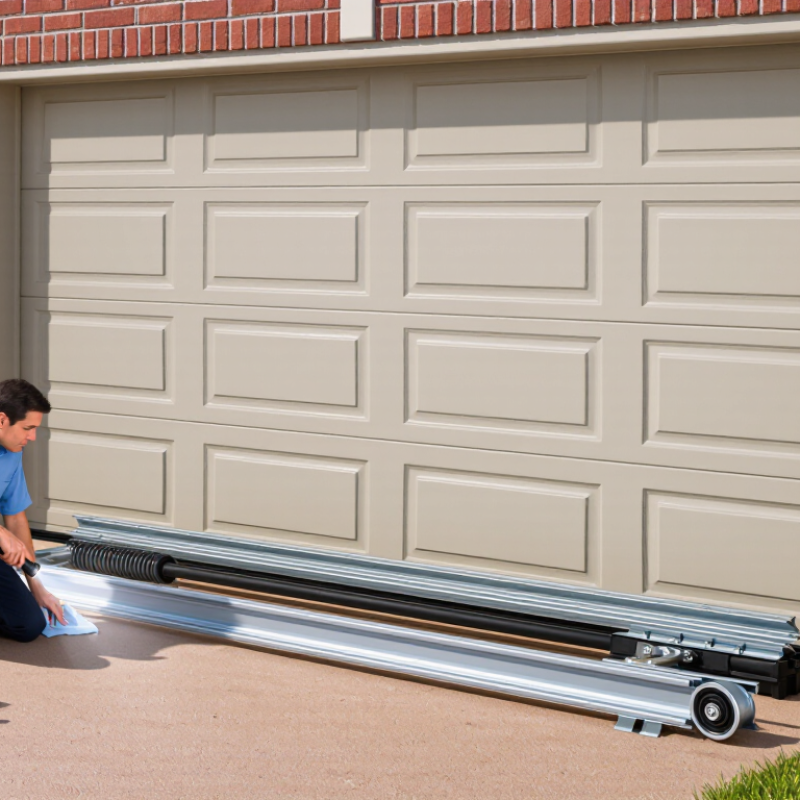
Garage door maintenance starts with the parts you can see and touch. Inspect the tracks for dents, loose bolts, and dark metal dust. A bent track can force the door to travel unevenly. Clean both tracks with a dry cloth, not heavy grease. Excess lubricant attracts grit and may slow the rollers.

Check each roller for cracks, wobbling, or flat edges. Nylon rollers should move quietly, while steel rollers need careful inspection for rust. Examine hinges for loose screws and stress around the mounting holes. DASMA Technical Data Sheet 167 recommends routine inspection and lubrication of moving hardware. It also warns that springs and cables require trained service because stored tension can cause severe injuries. I once overlooked a slightly loose hinge. The noise seemed minor. It was not.

Tips: Use a soft brush for packed debris. Tighten hardware gently, because overtightening can distort thin metal. Apply a small amount of garage-door-rated lubricant to hinge pivots, roller bearings, and springs. Keep lubricant off the tracks. Test the automatic reversal system with a 2-by-4 board placed flat on the floor, following ANSI/UL 325 safety guidance. The door should reverse after contact. CPSC guidance also stresses testing photo-eye sensors; interrupt the beam and confirm the door stops or reverses. Do not adjust springs, cables, or bottom brackets yourself. My practical rule is simple: if a part looks strained, stop operating the door and arrange a qualified inspection.

Testing Door Balance, Alignment, and Automatic Reversal

A balanced garage door should stay in place when opened manually. Disconnect the automatic opener only after closing the door fully. Then lift it halfway, around three or four feet above the floor. Release it carefully. If it rises or drops sharply, the springs may be uneven or worn. Do not adjust spring tension yourself. That work requires trained service knowledge because stored energy can cause serious injury.

Alignment problems often appear as rubbing, scraping, or uneven gaps along the sides. Watch the rollers as the door moves. They should travel smoothly inside the tracks without jumping or binding. Use a level to check whether the vertical tracks appear straight, but never force them into position. Loose mounting hardware can be tightened cautiously. Bent tracks, damaged rollers, or a sagging panel need professional inspection.

The automatic reversal system deserves a hands-on test each month. Place a solid, suitable test object on the floor beneath the closing path, following the opener’s instructions. The door should contact it and reverse promptly. Keep children and pets away. Also test the safety sensors by interrupting their invisible beam while the door closes. The door should stop or reverse instead of continuing downward. It should reverse quickly. I have seen homeowners repeat this test with a soft object, which can give misleading results. Use the recommended method, record what happened, and arrange qualified repairs when the response is slow or inconsistent.

Lubricating Moving Parts and Replacing Worn Components

A garage door often announces trouble before it stops. A dry hinge may squeak near the top of its travel. During a monthly inspection, I listen for grinding, scraping, or uneven movement. Disconnect the opener’s power before touching moving parts. Apply a small amount of garage-door lubricant to hinges, rollers, bearings, and spring coils. Wipe away excess with a clean cloth. Do not coat the tracks. Grease can trap dust and make rollers stick.

I once applied too much lubricant, thinking more would protect the mechanism. It only collected grit around the hinges. That mistake taught me to use a thin, controlled layer. Rollers should turn smoothly without wobbling. Replace cracked rollers, loose hinges, frayed cables, and bent brackets promptly. Tighten accessible fasteners, but avoid forcing damaged hardware into alignment. Small defects can become expensive failures.

Springs require special caution. Never adjust or remove a tensioned spring without proper training and equipment. A worn spring may show gaps, rust, or an uneven coil. A qualified garage-door technician should assess it. Replacing one weak component may also reveal another problem, such as a misaligned track or strained cable. Keep children away during testing, and reconnect the opener only after the door moves freely by hand. The inspection may take fifteen minutes. The wrong shortcut can take much longer.

Maintaining Weather Seals and Scheduling Professional Service

Weather seals are easy to overlook, yet they protect your garage from rain, dust, wind, and unwanted drafts. Inspect them every few months, especially after harsh weather. Look for cracked rubber, flattened edges, or daylight beneath the closed door. The bottom seal should press evenly against the floor, without large gaps or curling corners. Side and top seals should remain flexible and firmly attached.

Wipe the seals with a damp cloth and mild soap. Avoid harsh chemicals, which can dry the rubber. A thin layer of silicone-based lubricant may help preserve flexibility, but never apply lubricant to the floor surface. That can make the door slippery and unsafe. I once found a seal that looked acceptable from a distance, but cold air entered through a small split near one corner. Small defects matter.

Schedule professional service at least once a year, or sooner when the door shakes, sticks, or becomes unusually loud. A trained technician can check spring tension, cable condition, rollers, tracks, and opener safety systems. These parts carry serious force. Do not adjust springs or cables without proper training and equipment. Keep the service record, including the inspection date and observed problems. My own maintenance notes are not always complete, and that has caused avoidable delays. A simple reminder on your calendar works better.