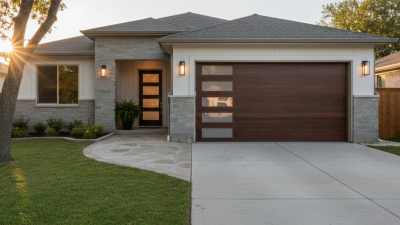
A garage door often works unnoticed until it shudders, squeals, or refuses to close. Small warning signs matter. A frayed cable, loose roller, or dusty photo-eye sensor can affect safe operation. Regular garage door maintenance helps homeowners spot wear early, protect the opener, and reduce the chance of an inconvenient breakdown. It is not a substitute for a trained technician, especially when springs or cables are damaged.
The financial case is practical, too. Zonda’s 2024 Cost vs. Value report estimated that a garage door replacement returned about 194% of its cost at resale in the upscale project category. That figure concerns replacement, not routine upkeep, but it shows how strongly a working, attractive door can contribute to a home’s curb appeal. Safety deserves equal attention: the U.S. Consumer Product Safety Commission and the Door & Access Systems Manufacturers Association advise homeowners to check opener safety features, including auto-reversal and photo-eye sensors. Follow the manufacturer’s instructions. Never adjust high-tension springs yourself. A door may look fine and still be out of balance; appearance alone proves little. The tips ahead focus on simple checks, careful cleaning, and knowing when to call a qualified professional. Some maintenance is easy. Some is not.
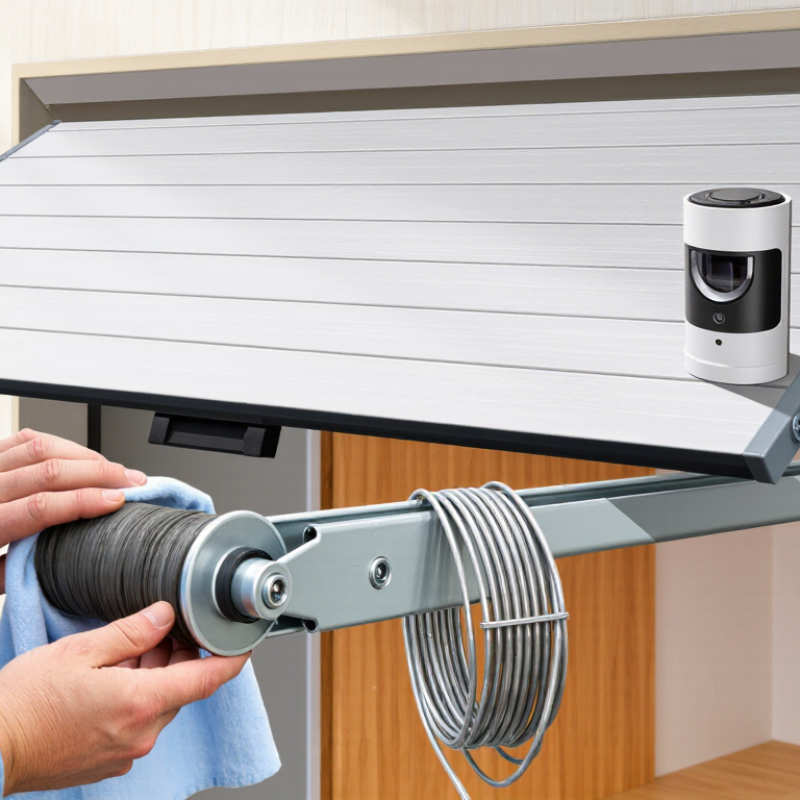
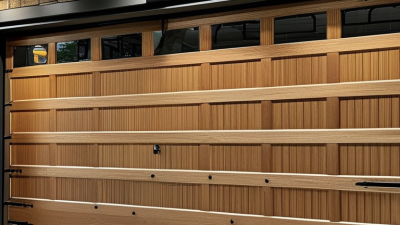
A garage door works as a system, so a small change in one part can affect how the whole door moves. Start with the panels. Look for dents, cracks, or gaps between sections, especially after a vehicle bump or a hard winter. Uneven panel movement may point to a track or roller problem, not just cosmetic damage. Watch one full opening and closing cycle from a safe distance.
The tracks guide the rollers along each side of the opening. Check for loose mounting brackets, visible bends, or debris that could obstruct movement. Rollers should travel smoothly rather than wobble or grind. The springs and cables counterbalance the door’s weight, making it easier for the opener to lift. These parts are under significant tension. Do not adjust or remove them yourself; a qualified technician should handle repairs. A visual check cannot reveal every hidden fault.
The opener supplies movement, while safety sensors near the floor help detect objects in the doorway. Keep their lenses clear and check that the door reverses when the beam is interrupted, following the manufacturer’s instructions. Notice the rubber weather seal along the bottom, too. If it is split or flattened, water and cold air may slip beneath the door. It is easy to overlook that seal during a quick inspection. A brief monthly check can help you spot changes before they become harder to explain.
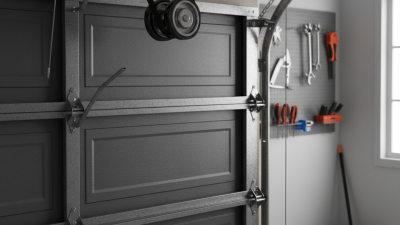
Tracks should look straight, clean, and firmly attached. With the door closed, check for grit, bent sections, or loose mounting bolts; never put fingers inside the track. Rollers should turn without wobbling or grinding. A small amount of suitable lubricant may quiet a squeak, but it cannot repair a cracked roller or misaligned track. DASMA’s garage-door maintenance guidance recommends regular visual inspection of system components. A quiet door is not necessarily a healthy one.
Look closely at the springs and lift cables from a safe distance. Fraying strands, rust, gaps in a torsion spring, or a door that hangs unevenly call for a trained technician. Do not loosen spring hardware. DASMA industry guidance commonly uses 10,000 cycles as a standard residential spring rating; one cycle means one opening and one closing. At four cycles daily, that is roughly 6.8 years, though actual life varies with use and conditions. A rating is not a promise. I sometimes focus too much on noise; visible wear matters more. Keep the area clear, note changes, and arrange professional service when parts look damaged.
| Tip | Component | Suggested Frequency | What to Check | Recommended Action | Safety Note |
|---|---|---|---|---|---|
| 1. Inspect the tracks | Vertical and horizontal tracks | Monthly | Look for loose mounting hardware, bends, gaps, or debris that could obstruct the rollers. | Wipe away dirt with a dry cloth. Have damaged or misaligned tracks assessed by a qualified technician. | Do not loosen track brackets while the door is under tension. |
| 2. Check roller condition | Rollers and roller stems | Every 3–6 months | Look for cracked, chipped, worn, or wobbly rollers and listen for unusual grinding or rattling. | Replace worn rollers with compatible parts; use a professional if removal requires working near springs or cables. | Keep hands clear of moving rollers and pinch points. |
| 3. Inspect springs visually | Torsion or extension springs | Monthly | Look from a safe distance for visible gaps, stretching, corrosion, or other obvious damage. | Arrange professional service if a spring appears damaged or the door suddenly feels unusually heavy. | Never adjust, remove, or repair springs yourself; they store dangerous tension. |
| 4. Check lift cables | Cables and cable drums | Monthly | Look for fraying, kinks, slack, or a cable that has come off its drum. | Stop operating the door and contact a qualified garage door technician if a cable looks damaged or displaced. | Do not touch or attempt to reconnect a cable. |
| 5. Test the automatic reversal system | Door opener and closing force | Monthly, following the opener instructions | Place a suitable test object, such as a piece of wood, flat on the floor in the door’s path and check that contact makes the door reverse. | If the door does not reverse, stop using the opener and arrange adjustment or repair. | Keep people and pets away during the test; use the test method specified by the opener manufacturer. |
| 6. Test the photoelectric sensors | Safety sensors near the floor | Monthly | Confirm the sensor lenses are clean, the indicators are steady, and the door reverses when the beam is interrupted during closing. | Clean the lenses gently and check for obvious obstruction or misalignment. Seek service if the sensors still fail. | Never bypass or disable the safety sensors. |
| 7. Lubricate moving parts appropriately | Roller bearings, hinges, and springs | About twice a year, or as directed in the owner’s manual | Listen for squeaks and check whether exposed moving joints appear dry. | Apply a garage-door-compatible lubricant sparingly to approved moving parts. Wipe away excess. | Do not lubricate the tracks unless the manufacturer specifically recommends it; lubricant can collect dirt. |
| 8. Tighten accessible hardware | Hinge and opener mounting fasteners | Every 3–6 months | Check for visibly loose fasteners caused by normal vibration. | With the door closed and disconnected from automatic operation, snug accessible fasteners without overtightening. | Do not tighten spring, cable, track, or bottom-bracket hardware. |
| 9. Check door balance | Door and counterbalance system | About twice a year | With the door closed, disengage the opener only if the owner’s manual explains how; observe whether the door stays near its midpoint when lifted manually. | If the door drops, rises, or feels unusually heavy, reconnect the opener as instructed and call a technician. | Do not perform this test if springs or cables look damaged. Never force a heavy door. |
| 10. Inspect weather seals and keep the doorway clear | Bottom seal, perimeter seals, and door opening | Seasonally | Look for brittle, torn, or compressed seals and check that the doorway is free of objects that could block travel. | Replace worn seals with a suitable fit and remove obstructions before operating the door. | Do not operate the door when people, pets, or objects are in its path. |
Cleaning and Lubricating Moving Parts
Dust, dried leaves, and grit can collect around garage door rollers and hinges. With the door closed, disconnect the opener before cleaning. Wipe accessible parts with a dry cloth, then use mild soap and water on stubborn grime. Dry everything thoroughly. Clean the tracks, but do not coat them with grease; lubricant can trap dirt and make movement worse. Small details matter.
Tip: Apply a garage-door-compatible lubricant sparingly to metal hinges, roller bearings, and the torsion spring, following the door or opener manual. Keep fingers clear of pinch points, and never adjust springs or cables; they hold dangerous tension. A little lubricant is usually enough. Wipe away drips with a clean rag, and listen for scraping or squeaking during a test run. I used to think more lubricant meant smoother movement. It can actually attract dust.
If the door still jerks, feels unusually heavy, or makes loud grinding sounds, stop operating it and arrange a professional inspection. Do not force a stubborn door or tighten parts at random. One overlooked roller can affect the whole system, and cleaning alone will not fix worn hardware.
A balanced garage door should stay near the halfway point when opened by hand. To check it, close the door fully and follow the opener’s instructions for disconnecting it. Lift the door slowly to waist height, then let go carefully. It should remain in place, not slide down or rise sharply. Keep your feet clear. If it feels unusually heavy, moves unevenly, or will not stay put, reconnect the opener only if safe and arrange professional service. Springs and cables hold considerable tension, so do not adjust them yourself.
Tip: Test the safety reversal monthly. Place a solid piece of wood, about 1.5 inches high, flat on the floor beneath the door. Close the door using the wall control, while standing clear. The door should reverse after touching the wood. Also test the photo-eye sensors by interrupting their beam with a cardboard box while the door is closing. It should stop or reverse. Never use a hand or foot as an obstacle.
Wipe dust from the sensor lenses and check that both lights appear steady. A small bump can misalign them. I once assumed a blinking light meant a failed sensor; it was only a shifted bracket, but guessing is not a repair plan. If the door fails either test, stop using it until the fault is checked.
Set a yearly appointment with a qualified garage-door technician, even when the door seems fine. A professional can inspect springs, cables, rollers, tracks, hinges, and opener force settings before wear becomes a sudden failure. Ask for a written record of adjustments and parts that may need attention later. This is useful. A small note about a frayed cable can be easy to forget by next season.
Do not wait for the annual visit if the door jerks, hangs unevenly, reverses unexpectedly, or makes a new grinding sound. CPSC’s 1996 report, Garage Door Openers: A Potential Hazard to Children, recorded 46 child fatalities and 49 injuries involving entrapment from 1982 to 1996. Those historical cases underline why safety checks matter; they are not a measure of today’s risk. DASMA recommends testing an opener’s reversing system monthly and consulting a professional when it fails. Keep hands clear of springs and cables, which are under high tension. A squeak may seem minor. Still, I would not treat it as a diagnosis: note when it happens, then share that detail with the technician.
Suggested schedule for routine checks and professional service
Use this schedule as a general planning guide: test the safety reversal system and visually inspect the door monthly, clean the tracks quarterly, and lubricate moving parts twice a year. Arrange a professional inspection annually, and follow your garage door’s owner’s manual for model-specific instructions. Do not adjust springs or cables yourself.