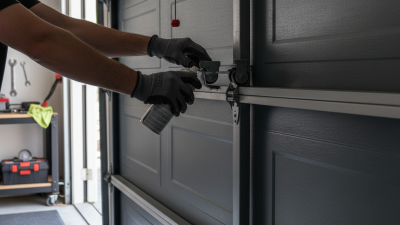
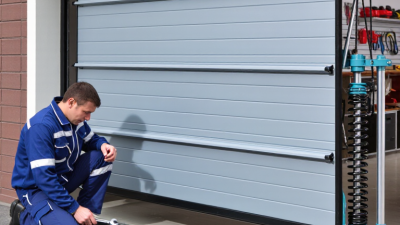
A garage door can fail without warning. One morning, the door may stop halfway, leaving your car trapped inside. Another day, a damaged spring may create a sharp snap and dangerous tension. Choosing a reliable garage door technician is therefore more than comparing the lowest price. It is about protecting your home, family, and property.
A trustworthy technician should explain the problem clearly before recommending repairs. Ask about training, practical experience, insurance, and manufacturer knowledge. An established professional should inspect the tracks, rollers, cables, springs, opener, and safety sensors. They should also provide a written estimate with labor, parts, warranties, and possible extra charges. Clear answers matter.
Watch the details.
A qualified technician will not pressure you into immediate replacement. They should explain whether adjustment, lubrication, or a small repair could solve the issue. Real experience often appears in simple observations, such as noticing uneven door movement or worn cable strands. Customer reviews can help, but they are not perfect evidence. Some may be outdated or too vague to trust. Look for consistent comments, local references, and photographs of completed work when available.
This guide explores practical ways to evaluate a technician before handing over your keys or signing an agreement. It also considers warning signs, communication habits, emergency service claims, and follow-up support. No method guarantees a perfect choice. Still, careful questions and a calm inspection can reduce expensive mistakes and reveal who genuinely stands behind their work.
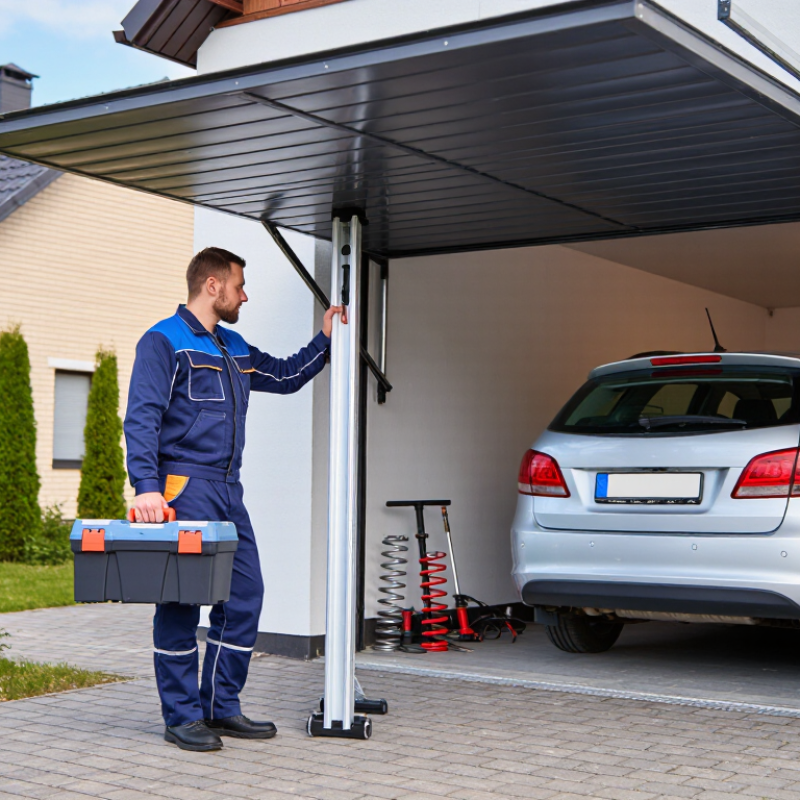
How to Find a Reliable Garage Door Technician?
Define the Skills and Services of a Qualified Garage Door Technician
A qualified garage door technician does more than replace worn parts. They diagnose the entire door system, including springs, cables, rollers, tracks, hinges, and openers. They should understand weight balance and force settings. These details affect daily safety and equipment life.
Look for practical experience with different door types and common failure patterns. A skilled technician listens for grinding, checks uneven movement, and tests the door by hand. They should inspect safety sensors and the automatic reverse function. Small details matter. Ask for a clear explanation before approving repairs. A reliable professional provides a written estimate, identifies urgent work, and separates necessary repairs from optional improvements.
Credentials can support trust, but they are not the whole answer. Confirm relevant training, insurance, local requirements, and service experience. Reviews may help, though they can miss important details. Ask how the technician handles unexpected damage after opening the system. Their response often reveals their judgment. I would not treat a clean uniform or polished vehicle as proof of expertise. Those things look reassuring, but careful testing matters more. Even experienced technicians can overlook a worn hinge when rushing. That is why a second inspection or a few direct questions can be sensible.
| No. | Skill or Service Area | What a Qualified Technician Should Be Able to Do | Evidence to Request | Reliability Indicators | Warning Signs |
|---|---|---|---|---|---|
| 1 | Safety Inspection | Inspect the door panels, tracks, rollers, hinges, cables, springs, brackets, and mounting points before recommending repairs. | A written or digital inspection report with identified defects and recommended actions. | Explains safety risks clearly and prioritizes urgent issues without pressuring the customer. | Suggests replacement without examining the complete door system. |
| 2 | Spring Repair and Replacement | Identify spring wear, select a correctly rated replacement, balance the door, and test safe operation after installation. | Details of spring type, dimensions, rated cycle life, labor, and warranty coverage. | Uses appropriate tools and explains that springs are high-tension components requiring controlled handling. | Attempts spring work without protective procedures or quotes an unexplained one-size-fits-all part. |
| 3 | Cable, Roller, and Hinge Service | Replace damaged cables, worn rollers, and bent hinges while preserving proper alignment and smooth movement. | Itemized part specifications and confirmation that the door will be tested for alignment and travel. | Checks related components instead of replacing only the visibly damaged part. | Uses mismatched hardware or leaves frayed cables, loose fasteners, or uneven gaps. |
| 4 | Door and Track Alignment | Correct track spacing, level, fastening, door balance, and binding that may cause noise or premature wear. | Before-and-after measurements or a clear explanation of the alignment problem. | Uses a level and appropriate measuring tools; confirms smooth manual operation. | Bends tracks forcefully or treats severe structural damage as a simple lubrication issue. |
| 5 | Garage Door Opener Diagnostics | Test power supply, controls, drive components, limit settings, travel force, sensors, and remote-access functions where applicable. | Diagnostic findings, tested functions, repair options, and replacement criteria. | Separates opener faults from mechanical door problems before recommending a new unit. | Immediately recommends replacement without testing the power, sensors, settings, and door balance. |
| 6 | Safety Sensor Testing | Verify sensor alignment, wiring, indicator status, automatic reversal, and obstruction response. | A documented safety test completed after service. | Demonstrates the reversal test and explains why sensors must remain unobstructed. | Disables or bypasses safety features to make the opener operate temporarily. |
| 7 | Panel and Weather-Seal Repair | Assess dents, cracks, rust, insulation damage, bottom seals, side seals, and gaps that affect appearance or energy performance. | Photos, measurements, material details, and a comparison of repair versus replacement. | Explains when a damaged panel can be repaired and when structural replacement is safer. | Promises perfect results for severely bent, cracked, or structurally weakened panels. |
| 8 | Preventive Maintenance | Lubricate suitable moving parts, tighten hardware, inspect wear points, test balance, and review operating noise. | A maintenance checklist showing completed tasks and parts needing future attention. | Uses a lubricant appropriate for garage-door components and avoids lubricating parts that should remain dry. | Claims that lubrication alone resolves worn springs, bent tracks, or damaged cables. |
| 9 | Transparent Pricing | Provide a clear estimate covering labor, parts, disposal, service fees, taxes where applicable, and possible additional costs. | Written quote issued before work begins, including payment terms and warranty conditions. | Obtains customer approval before changing the scope or price. | Provides an unusually low initial price and adds unexplained charges after starting. |
| 10 | Credentials and Insurance | Operate legally in the service area and maintain appropriate training, insurance, and any required trade credentials. | License or registration details where required, proof of liability insurance, and relevant training records. | Provides verifiable information without hesitation and uses a written service agreement. | Refuses to provide basic credentials or insists that documentation is unnecessary. |
| 11 | Warranty and Follow-Up | Explain separate warranties for parts and labor and provide a process for reporting post-service problems. | Written warranty period, exclusions, contact method, and response expectations. | Stands behind workmanship and records the parts installed and service date. | Uses vague promises such as “fully guaranteed” without written terms. |
| 12 | Professional Work Practices | Arrive within the agreed service window, protect the property, communicate clearly, remove waste, and leave the work area safe. | Appointment confirmation, technician identification, completion notes, and customer sign-off. | Provides updates about delays and explains completed work in plain language. | Arrives unprepared, leaves debris behind, or cannot explain what was repaired. |