Why Is Garage Door Maintenance Important?

A garage door often works quietly in the background, lifting hundreds of pounds before breakfast. That convenience can hide gradual wear. Springs lose tension, rollers become noisy, and cables may develop visible fraying. Small warning signs deserve attention.

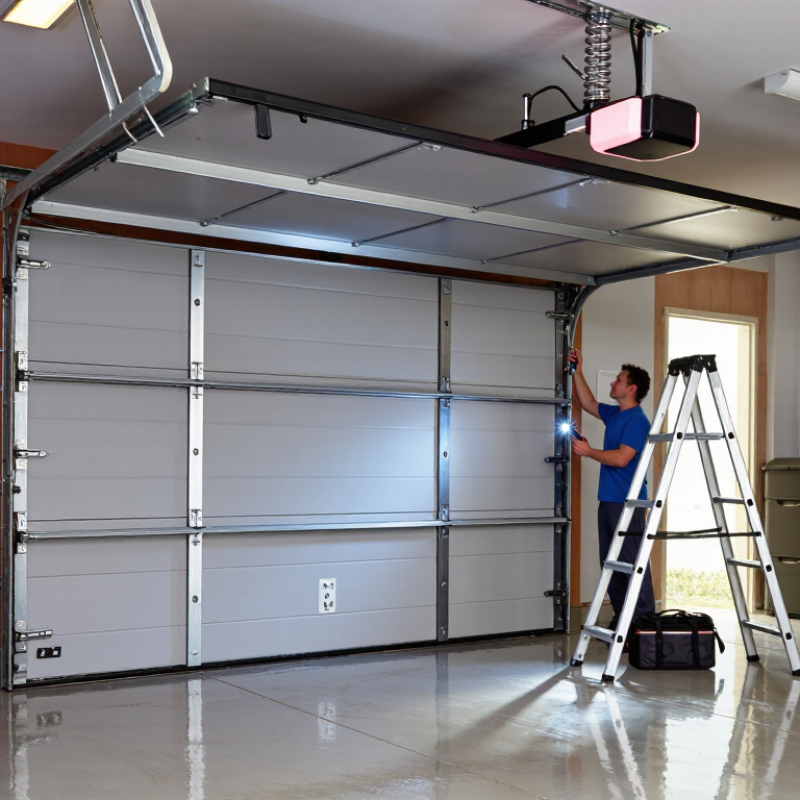
Garage door safety educator Tom Wadsworth is often quoted as saying, “A garage door is the largest moving object in your home.” That observation explains why garage door maintenance matters beyond appearance. A trained technician can inspect spring balance, cable alignment, opener force, photo-eye sensors, hinges, and mounting hardware. These checks may reduce sudden failures and help the door close more reliably. They also create a record of changing conditions, which is useful when deciding whether adjustment or replacement is appropriate.

Maintenance is not a magic shield. Parts still age. Human error still happens. A homeowner may lubricate the hinges and miss a weakened lift cable. Another person may silence a grinding roller without finding the damaged track. That is where honest inspection matters. Read the manufacturer’s instructions, test the reverse function carefully, and avoid adjusting high-tension springs without proper training.

The goal is simple: safer operation, fewer surprises, and a longer service life. Not perfection. A practical maintenance routine combines monthly visual checks with professional service when symptoms appear. It should also respect the door’s limits. If the door slams, hesitates, shakes, or refuses to reverse, stop using it and seek qualified help. A few minutes of attention can prevent a much harder morning.

Why Is Garage Door Maintenance Important?

What Garage Door Maintenance Covers: Springs, Cables, Rollers, and Tracks

Why Is Garage Door Maintenance Important?

A garage door can look fine while its lifting system quietly wears down. Regular maintenance checks the parts carrying weight and movement. In my experience, small noises often reveal larger alignment problems. Listen closely. A trained technician should inspect springs and cables because both hold significant tension. Never test a damaged spring by hand. Keep hands clear.

Springs support the door’s weight, while cables transfer that force through the lifting system. Rust, fraying, or uneven movement can signal failure. Rollers guide the door along its path, and worn rollers may create grinding sounds or shaking. A technician can check their bearings, stems, and fit. Lubrication helps, but it cannot repair cracked parts. I once underestimated a faint squeal during a routine check. The roller was close to binding.

Tracks need care as well. They should remain straight, firmly attached, and free from dents or heavy debris. Misaligned tracks can strain rollers, cables, and the opener. Small neglect grows. Maintenance should include fastener checks, balance testing, and a controlled open-and-close inspection. If the door drops, hesitates, or sits unevenly, stop using it. Professional assessment is safer than repeated trial and error. Some problems look simple but involve stored energy.

How 10,000-Cycle Springs Define Professional Replacement Planning

Why Is Garage Door Maintenance Important?

How 10,000-Cycle Springs Define Professional Replacement Planning

A 10,000-cycle spring is a planning benchmark, not a lifetime promise. The Door and Access Systems Manufacturers Association identifies cycle ratings as an important measure of spring durability. One cycle means the door opens and closes once. A family using four cycles daily creates about 1,460 cycles yearly. At that pace, 10,000 cycles represent roughly 6.8 years. Real conditions can shorten that period.

Moisture, rust, poor balance, and incorrect spring sizing increase stress. A heavy door may rise unevenly, pause halfway, or drop faster than expected. Those details matter. A professional technician checks cable alignment, lifting force, shaft condition, and door balance before recommending replacement. DASMA technical guidance supports evaluating the complete door system, rather than replacing a spring by appearance alone. That approach is safer and more accurate.

The U.S. Consumer Product Safety Commission repeatedly warns that garage door components can cause serious injuries when they fail or receive improper repairs. A qualified inspection should record the installation date, estimated daily cycles, spring rating, and visible wear. Planning replacement before failure can reduce emergency service decisions. Still, cycle estimates are imperfect. Household use changes. Weather changes. I would not treat 10,000 cycles as an exact expiration date; it is a useful warning line for scheduling inspection and budgeting.

Why Monthly Safety-Reversal Tests Are Recommended for Automatic Openers

An automatic garage door can weigh hundreds of pounds, so its safety-reversal system deserves regular attention. This feature should make the door stop and move upward when it meets an object. However, sensors and internal settings can change over time. Dust, small impacts, temperature shifts, or loose hardware may affect performance.

Test the system once each month. Place a solid roll of paper towels beneath the door’s closing path, then activate the opener from a safe position. The door should touch the object lightly and reverse immediately. Do not use your hands, feet, pets, or children for testing. Keep the area clear. If the door continues downward, disconnect the opener and contact a qualified garage-door technician.

Also check the photo-eye sensors near the floor. Their lenses should remain clean and face each other directly. A small misalignment can prevent reliable reversal or stop the door unnecessarily. I once assumed a door was safe because it opened and closed quietly. That assumption was wrong. Quiet movement does not prove correct safety operation. A technician can inspect springs, cables, tracks, and force settings during routine maintenance. These parts work together, and a problem in one area can increase stress elsewhere. Record each monthly test, including the date and result. Missing a month is easy, but repeated neglect can turn a simple adjustment into a costly repair.

Why Is Garage Door Maintenance Important? — Why Monthly Safety-Reversal Tests Are Recommended for Automatic Openers
Maintenance Dimension Recommended Frequency What to Check or Do Why It Matters Priority
Safety-reversal test Monthly Place a solid object designed for testing beneath the closing door, activate the opener, and confirm that the door reverses after contact. Follow the opener manufacturer’s instructions. Confirms that the automatic opener’s force-sensing and reversal function is working as intended, helping reduce the risk of entrapment or impact injuries. High
Photo-eye sensor test Monthly Check that the two safety sensors face each other, remain unobstructed, and are mounted securely. Interrupt the invisible beam while the door is closing and verify that the door stops or reverses. Detects people, pets, vehicles, or objects in the doorway and prevents the door from continuing to close when the beam is interrupted. High
Emergency-release test Monthly With the door fully closed, disconnect the opener using the emergency-release mechanism and manually lift the door carefully. Reconnect the opener according to the operating instructions. Ensures the door can be operated manually during a power outage or opener failure and may reveal problems with balance or binding. High
Visual inspection of cables, springs, rollers, and hinges Monthly Look for frayed cables, damaged rollers, loose hinges, rust, bent tracks, or broken springs. Do not adjust or remove springs and cables yourself. These components support and guide the door. Damage can cause noisy operation, uneven movement, sudden failure, or serious injury. High
Door balance and movement Every 3–6 months With the opener disconnected and the door closed, manually raise the door partway. It should move smoothly and remain reasonably balanced without falling or rising rapidly. An unbalanced door places extra load on the opener and lifting components, increasing wear and reducing reliable operation. High
Track and hardware inspection Every 3–6 months Check tracks for dents, obstructions, and loose mounting hardware. Clean debris from the tracks, but do not force the tracks into alignment. Clear, properly secured tracks help the door travel smoothly and reduce vibration, noise, and strain on rollers and the opener. Medium
Lubrication of moving parts Every 6–12 months Apply a suitable garage-door lubricant sparingly to hinges, rollers, bearings, and springs when permitted by the equipment instructions. Do not lubricate photo-eye lenses or tracks unless specifically instructed. Appropriate lubrication can reduce friction, noise, and wear. Excess or incorrect lubricant can attract dirt and interfere with operation. Routine
Opener mounting and wiring check Every 6–12 months Inspect the opener for unusual vibration, loose mounting, damaged wiring, or abnormal sounds. Disconnect power before handling any electrical component. Loose hardware or damaged wiring can contribute to unreliable operation, electrical hazards, or premature equipment failure. Medium
Weather seal and bottom seal inspection Annually Examine the bottom seal and perimeter weatherstripping for cracks, gaps, hardening, or detachment. Replace damaged seals as needed. Effective seals help limit water, wind, dust, insects, and temperature transfer while protecting the garage and door components. Routine
Professional service for springs and cables When damage or abnormal operation is found Contact a qualified garage-door professional for broken springs, frayed cables, a door that falls or binds, severe imbalance, or repeated safety-test failure. High-tension springs and lifting cables can release stored energy suddenly. Specialized tools, training, and procedures are required for safe repair. High

How Lubrication and Alignment Reduce Wear Across Moving Components

Why Is Garage Door Maintenance Important?

Regular garage door maintenance protects moving components from unnecessary friction, vibration, and premature failure. Lubrication helps hinges, rollers, bearings, and springs move more smoothly. Use a suitable garage door lubricant sparingly. Wipe away excess, because dripping oil can collect dust and create abrasive paste. Never lubricate the tracks themselves. Rollers should travel inside clean tracks without slipping or scraping. Small noises often reveal early wear.

Alignment matters just as much. Misaligned tracks can force the opener and rollers to work harder. Check whether both tracks remain parallel and firmly attached. The door should lift evenly, without leaning or binding. I have seen a slightly loose bracket create loud rattling within weeks. However, visual checks can miss hidden cable or spring damage. That is where my judgment becomes less certain. A trained technician should inspect high-tension parts and make repairs safely.

Tips: Test the door manually after disconnecting the opener, if the mechanism allows it. It should move steadily and remain balanced halfway open. Clean debris from the track edges with a dry cloth. Do not force a heavy or crooked door. Record unusual sounds, jerking, or slow movement, then arrange a professional inspection before minor wear becomes expensive damage.

When Annual Professional Inspections Protect a Door Weighing 150–400 Pounds

Why Is Garage Door Maintenance Important?

When Annual Professional Inspections Protect a Door Weighing 150–400 Pounds

A residential garage door can weigh between 150 and 400 pounds. That weight moves above vehicles, tools, and people every day. A small problem can become dangerous when springs, cables, or tracks fail. Annual professional inspections help identify warning signs before they become sudden breakdowns.

During an inspection, a trained technician checks spring tension, cable condition, roller movement, track alignment, and mounting hardware. They also test the door’s balance and automatic reversal system. A balanced door should lift smoothly without dropping or pulling to one side. Loose bolts, frayed cables, and unusual grinding sounds deserve immediate attention. These details are easy to miss during a quick homeowner check.

Professional experience matters because some components store significant energy. Adjusting springs without proper training can cause serious injury. Regular inspections also protect the opener by reducing strain from an uneven or dragging door. Still, maintenance is not a guarantee against every failure. Weather, repeated use, and accidental impact can create new problems between visits. That limitation is worth remembering. Homeowners should watch for shaking, slow movement, gaps, or loud popping sounds. Keep children away from moving parts. A one-year inspection schedule may be too relaxed for heavily used doors. Honest assessment should guide the timing.