A dependable garage door maintenance schedule in 2026 should combine calendar reminders with real observations. Weather, usage, door age, and local conditions all affect maintenance needs. A door opened twice daily may require less attention than one serving a busy household or workshop.
This guide focuses on practical care, not complicated routines. You will learn when to inspect rollers, hinges, cables, tracks, springs, and weather seals. You will also see how to test the auto-reverse feature and listen for warning sounds. Grinding, jerking, sagging, or sudden movement deserves prompt attention. Small neglect becomes expensive.
Reliable garage door maintenance begins with the manufacturer’s manual and a clear safety boundary. Homeowners can clean tracks, check visible hardware, and replace worn weatherstripping when appropriate. Torsion springs, lifting cables, and major alignment problems should receive professional evaluation. These components store significant tension. A careless adjustment can cause serious injury.
The best schedule is not perfectly universal. That is worth admitting. A monthly inspection may suit one home, while another needs seasonal checks after heavy rain, snow, heat, or coastal humidity. This article offers a realistic framework for 2026, supported by manufacturer guidance and common service practices. Use it as a starting point, then adjust it after observing how your door behaves. A calendar helps. Attention matters more.
What Is the Best Garage Door Maintenance Schedule in 2026?
A practical garage door schedule combines quick monthly checks with professional yearly service. Each month, watch the door during one complete opening and closing cycle. Listen for grinding, scraping, or sudden jerking. The door should move smoothly and remain balanced halfway open. Test the auto-reverse feature with a solid object placed beneath the door. It should reverse without crushing or trapping the object.
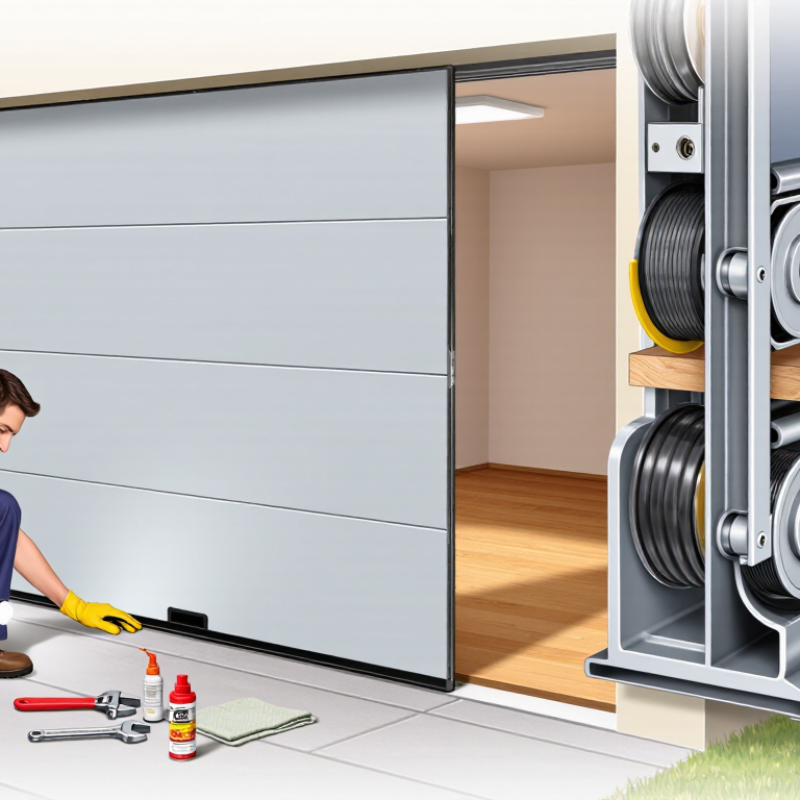
Every three months, inspect the rollers, hinges, cables, weather seal, and mounting hardware. Apply a suitable garage-door lubricant to moving metal joints, but keep it away from the tracks and safety sensors. Wipe the sensor lenses with a soft, dry cloth. Check the bottom seal for cracks, especially after severe weather. A damaged seal can let in water, dust, and small pests.
Tips: Keep a simple service log near the entrance. Record unusual sounds, repair dates, and weather damage. Never adjust springs, lift cables, or brackets yourself; stored tension can cause serious injury. Arrange a qualified annual inspection, even when the door appears normal. A technician can measure spring balance, inspect fasteners, and identify worn components. In my experience, homeowners often wait for loud noise before requesting service. That habit is understandable, but not ideal. A maintenance calendar helps, although it cannot replace attention during daily use.
A reliable garage door schedule starts with a monthly inspection, not an annual panic. During routine checks, examine hinges, rollers, tracks, brackets, cables, and fasteners. Look for frayed cable strands, loose bolts, cracked rollers, and bent track sections. Small changes matter. Wipe away visible dirt from moving parts, then apply suitable lubricant only where the manufacturer allows it. Never lubricate the tracks. Grease can attract grit and worsen movement.
Safety features need their own test. Check that photo-eye sensors are clean, aligned, and firmly attached. Interrupt the sensor beam while the door closes; the door should stop or reverse. Test the emergency release with the door closed, if you understand its operation. Then lift the door manually and check its balance. It should move smoothly and remain near the halfway position. Test it carefully. A heavy, crooked, or rapidly dropping door needs professional attention.
My checklist is not perfect. I once focused on a squeaking roller and missed early cable wear. Now I record inspection dates, unusual sounds, and small changes with photos. Do not adjust torsion springs, cables, or bottom brackets yourself. Their stored tension can cause serious injury. A ten-minute monthly check helps reveal problems early, but it cannot replace skilled service when damage repeats or balance changes.
A practical 12-month schedule for residential sectional or one-piece garage doors. Disconnect automatic operation before manual checks, keep hands away from moving parts, and arrange professional service when a repair involves springs, cables, drums, or lifting components.
| Month | Inspection Area | Recommended Task | What to Check | Normal Result | Suggested Action if a Problem Is Found | Frequency | Priority |
|---|---|---|---|---|---|---|---|
| January | Door hardware and weather protection | Inspect hinges, brackets, rollers, tracks, and the bottom weather seal. | Look for loose fasteners, bent tracks, cracked rollers, gaps, or hardened seals. | Hardware is secure, tracks are straight, rollers move without binding, and the seal contacts the floor evenly. | Tighten accessible fasteners carefully, remove debris, and replace damaged seals or components. Do not adjust spring hardware. | Monthly | Medium |
| February | Manual balance test | With the door fully closed, disconnect the automatic opener using its release mechanism and lift the door manually. | Check whether the door feels unusually heavy, drops, rises by itself, or stops at mid-height. | The door moves smoothly and remains approximately halfway open without drifting significantly. | Stop using the door if it is very heavy, falls, or will not stay balanced. A qualified technician should inspect the counterbalance system. | Monthly and after unusual operation | High |
| March | Photo-eye safety sensors | Clean both sensor lenses and verify that the sensors face each other across the door opening. | Check for dust, moisture, physical damage, loose mounting, or misalignment. | The opener operates normally and the sensor indicators remain steady when the path is clear. | Clean and realign the sensors if needed. Do not bypass or permanently disable the safety system. | Monthly | High |
| April | Automatic reverse function | Test the opener’s contact-reversal feature using a solid object placed on the floor beneath the closing path. | Observe whether the door reverses after contacting the test object. | The door reverses promptly after contact and does not continue pressing downward. | Stop automatic operation and arrange service if the door fails to reverse. Never test with a person, pet, or fragile object. | Monthly | High |
| May | Tracks and rollers | Inspect the vertical and horizontal tracks and listen while the door opens and closes. | Look for obstruction, separation, severe rust, grinding, scraping, or rollers leaving the track. | Tracks are firmly attached and rollers travel smoothly with moderate operating noise. | Clear minor debris and report bent, loose, or separated tracks to a professional. Do not force rollers back into place. | Monthly | High |
| June | Lubrication points | Apply a suitable garage-door lubricant sparingly to hinges, roller bearings, and pivot points where permitted by the door instructions. | Check for dry metal-to-metal contact, squeaking, or excess lubricant collecting dust. | Moving joints operate smoothly without visible dripping or heavy residue. | Wipe away excess lubricant. Do not lubricate the track running surfaces or apply lubricant to safety sensors. | Every 6–12 months | Routine |
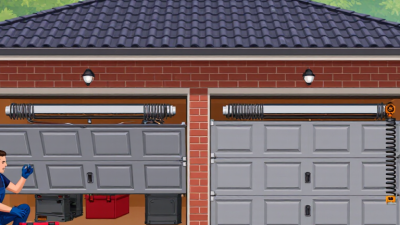
| July | Springs, cables, and lifting components | Perform a visual inspection without touching or adjusting the counterbalance assembly. | Look for broken coils, stretched or frayed cables, loose drums, gaps in extension springs, or unusual movement. | No broken parts, fraying, uncontrolled movement, or visible displacement is present. | Keep people away from the door and contact a qualified garage-door technician. Do not attempt spring or cable repairs as a DIY task. | Monthly visual check | High |
| August | Opener mounting and controls | Inspect the opener’s mounting points, wall control, remote controls, and emergency-release cord. | Check for vibration, loose brackets, damaged wiring, stuck buttons, or an emergency-release cord that cannot be reached safely. | The opener is securely mounted, controls respond normally, and the release mechanism is accessible. | Replace weak batteries where appropriate and arrange service for loose mounting, damaged wiring, or unreliable controls. | Monthly | Medium |
| September | Door panels and structural condition | Inspect panels, windows, fasteners, insulation surfaces, and the connection between panels. | Look for cracks, corrosion, water damage, sharp edges, loose windows, or panels rubbing during movement. | Panels remain aligned, windows are secure, and the door opens without binding. | Keep damaged panels secured and obtain a repair assessment if structural damage affects alignment or safe operation. | Monthly | Medium |
| October | Weather seal and threshold | Clean the threshold and inspect the perimeter seal before colder or wetter weather. | Check for daylight, drafts, water entry, torn rubber, compressed sections, or a seal that prevents the door from closing. | The seal remains flexible and closes gaps without forcing the door upward. | Replace worn seals with the correct size and confirm that the new seal does not interfere with the safety reverse function. | Seasonally and monthly | Medium |
| November | Full safety review | Repeat the photo-eye test, contact-reversal test, manual balance test, and emergency-release check. | Confirm that all safety features work consistently after seasonal temperature and weather changes. | The door reverses correctly, remains balanced, and can be disconnected and operated manually when necessary. | Remove the door from automatic service if any safety test fails and schedule professional inspection. | Monthly and after repairs | High |
| December | Annual condition review | Review maintenance records and arrange a professional inspection if the door has repeated faults, abnormal noise, or visible wear. | Consider the door’s age, usage level, repair history, balance, safety-test results, and condition of cables and springs. | All routine checks pass and no recurring operating problem is present. | Schedule qualified service for persistent problems. Replace or repair components only after identifying the underlying cause. | Annually | Medium |
Safety note: Never remove, loosen, cut, or adjust torsion springs, extension springs, cables, drums, or bottom brackets without appropriate training and equipment. If the door falls, binds, becomes unusually heavy, or fails a safety test, disconnect automatic operation and seek qualified service.
Seasonal cleaning, lubrication, and weather seal checks keep a garage door quieter and safer. In spring, wipe dust from tracks, hinges, rollers, and photo-eye lenses. Use a dry cloth first. Water can push grit into moving joints. Then inspect the bottom seal for cracks, flattened sections, or daylight beneath the door.
Lubricate hinges, roller bearings, and spring coils twice yearly, preferably in spring and autumn. Do not coat the tracks. A thin garage-door lubricant is enough. The Door and Access Systems Manufacturers Association advises routine visual inspections and professional servicing for worn components. The U.S. Consumer Product Safety Commission also recommends testing the opener’s reversing function monthly. Place a solid object under the door, then confirm that it reverses immediately. Never adjust spring tension yourself.
Weather seals deserve extra attention before winter. The 2020 Residential Energy Consumption Survey, published by the U.S. Energy Information Administration, shows space heating and cooling use roughly half of household energy. A damaged garage seal can increase drafts and moisture, even if its effect varies by home.
Tips: Check seals after heavy rain. Look for water marks, cold air, or small pest gaps. Clean the threshold before replacing anything. I once blamed the opener for noise, but packed dirt caused it. Maintenance is easy to postpone. That is the mistake.
An annual inspection should cover springs, cables, tracks, and the automatic opener. These parts work together, but they do not age equally. Check the door every twelve months, especially before winter or storm season. Springs should open the door smoothly and hold it near waist height. If the door drops, rises unevenly, or makes sharp popping sounds, stop using it. A trained technician should test spring tension. High-tension components can cause serious injuries when handled incorrectly.
Inspect cables for fraying, rust, loose strands, or separation near the drums. Look closely. Test tracks for dents, gaps, and loose mounting hardware. The rollers should move without grinding or jumping. Tracks need alignment, not force.
An automatic opener also needs a yearly safety test. Place a solid object beneath the closing door and check whether it reverses immediately. Test the photo-eye sensors too. The door should stop when the light path is interrupted. Keep children and pets away during testing.
Tips: Wipe track surfaces clean, but do not pack them with thick grease. Tighten visible hardware only when the door is fully closed. Never remove a spring or cable yourself. Record unusual sounds, repair dates, and test results. A written log helps reveal gradual changes. It is not perfect, though. Temperature, moisture, and daily use can alter performance between inspections. Book an earlier check when the door becomes noisy, slow, or uneven.
A reliable garage door maintenance schedule in 2026 combines monthly observations, seasonal checks, and annual professional service. Each month, watch the door open and close. It should move evenly, without jerking, scraping, or sudden pauses. Listen for grinding, popping, or a strained motor. Test the auto-reverse feature with a short piece of wood beneath the closing edge. The door should reverse promptly. Keep hands clear.
Visible fraying on lift cables, bent tracks, loose hinges, cracked rollers, and rust around fasteners indicate wear. A door that hangs unevenly may have spring or balance problems. Do not adjust springs yourself. Stored tension can cause severe injury. If the door slams, rises halfway, or feels unusually heavy, stop using it. Arrange qualified repairs. Small noises are not always harmless. In practice, minor alignment problems often become costly failures when ignored.
Schedule professional maintenance yearly, or twice yearly for heavily used doors. A trained technician should inspect springs, cables, tracks, fasteners, safety sensors, and opener force settings. Request a written record of defects and completed adjustments. Lubricate only suitable moving parts. Excess lubricant can attract grit. My own checklist could still miss hidden metal fatigue. That limitation matters. Regular observation helps, but it cannot replace a hands-on safety inspection.