Choosing the right garage door panel is not simply a matter of matching color or price. The panel affects insulation, appearance, noise, weight, and long-term safety. It also must work with the existing tracks, hinges, rollers, springs, and opener. A beautiful panel can still be a poor choice if its weight exceeds the door system’s capacity.
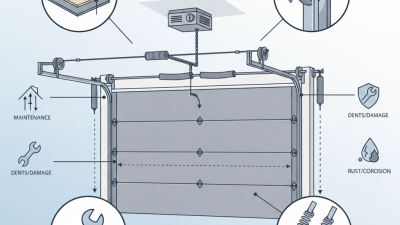
Tom Wadsworth, a veteran garage door educator and DASMA Hall of Fame inductee, emphasizes an important safety principle: “The garage door is the largest moving object in most homes.” That fact deserves attention. Measure the opening carefully. Check the panel thickness. Look for dents, rust, cracked seams, and weak hinge areas. In a cold climate, insulated steel panels may reduce heat loss near an attached garage. In a coastal area, corrosion-resistant finishes may matter more than decorative details.
Experience also reveals a less convenient truth. Replacing one damaged garage door panel is not always the cheapest or wisest solution. Older panels may no longer match. Their insulation may be poor. Replacement parts may be difficult to source. I have seen homeowners focus on a low quote, then discover that mismatched panels create uneven movement and repeated repair costs.
This guide will help you compare materials, designs, insulation values, sizes, and compatibility. It will also explain when a single-panel replacement makes sense, and when a complete door upgrade deserves serious consideration. Measure twice. Choose carefully.
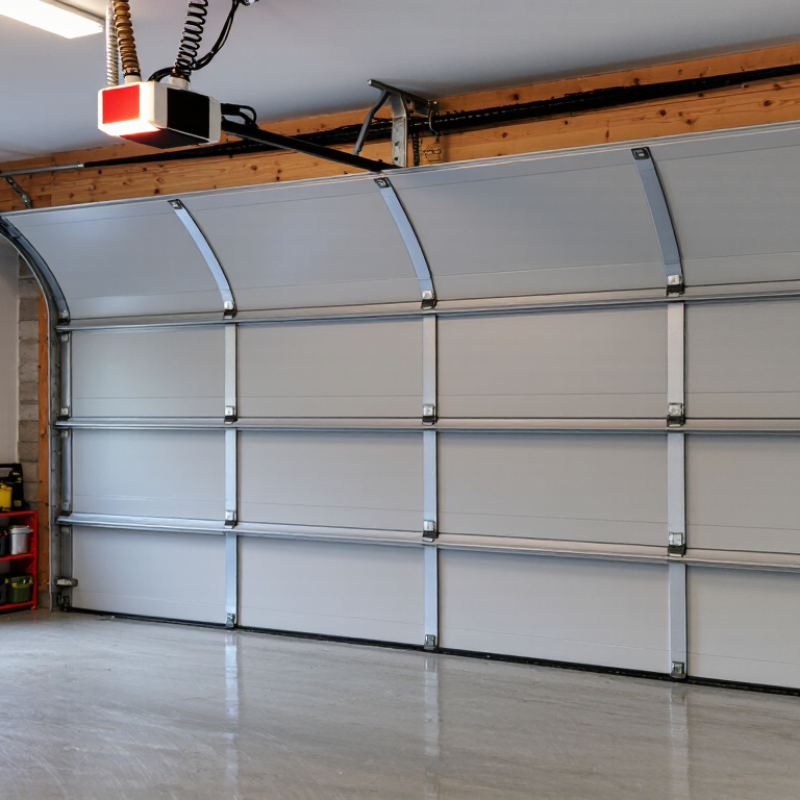
Choosing the right garage door panel starts with the garage’s real working conditions, not its appearance. Observe how often the door opens each day. A busy household may create dozens of cycles weekly. Record traffic for one week. Note the garage temperature, humidity, wind exposure, and available storage space.
An attached garage usually benefits from insulated panels. They can reduce heat transfer near bedrooms or living areas. In an unheated garage, insulation still helps protect stored tools and equipment. Coastal air can accelerate corrosion, while freezing weather may make brittle materials more vulnerable. Panel weight also matters. Heavy panels can increase stress on springs, tracks, and the automatic opener. Ask a qualified installer to check the complete door system before changing panel construction.
Panel thickness alone does not prove performance. Check the insulation rating, sealing design, impact resistance, and expected service conditions. Windows may improve daylight, but they can affect heat loss and security. I have seen homeowners choose attractive panels that were poorly suited to daily use. That mistake becomes expensive.
Measure carefully. Again, small errors matter. A door exposed to strong afternoon sun may expand slightly and operate differently. Garage ventilation, drainage, and nearby trees deserve attention too. I would not rely on a showroom sample alone; compare the panel’s specifications with your climate and actual routine.
How to Choose the Right Garage Door Panel?
Garage door panels affect insulation, strength, appearance, and maintenance. Steel panels provide reliable durability and resist everyday dents, though thin steel can still deform. Aluminum weighs less and suits wide doors, but it may dent more easily. Wood offers natural warmth and can be repaired, yet it needs regular sealing against moisture. Fiberglass and vinyl resist some weather damage, but their surface colors and textures can change over time.
Construction type matters as much as material. Single-layer panels are economical and lightweight, but they provide little insulation. Double-layer panels add insulation behind the outer skin, improving temperature control inside the garage. Triple-layer panels usually include an inner backing, stronger support, and better noise reduction. Check the stated R-value, but do not treat it as the only measurement. A poorly fitted door can waste energy despite good insulation.
From practical inspections, I look closely at hinges, panel joints, and the bottom seal. Small gaps near the floor often reveal installation problems. Coastal air, heavy rain, and strong sunlight also influence material choice. I once favored a lightweight panel for easy operation, then reconsidered after seeing wind damage on a similar door. That mistake was useful. The best panel balances local weather, daily use, available space, and maintenance time. Ask for documented specifications and qualified installation. A beautiful panel is not enough.
| Comparison Factor | Steel | Aluminum | Wood | Fiberglass | Composite Wood |
|---|---|---|---|---|---|
| Typical Construction | Single-layer, non-insulated; or two- and three-layer insulated panels with a foam core | Single-layer framed panels, often with glass inserts; insulated versions are also available | Solid or framed panels made from natural wood boards, commonly with a backing layer | Fiberglass skin over a frame, usually combined with an insulated or reinforced core | Wood-fiber or resin-based outer skin over a stable engineered core |
| Durability | High Resists impact better than many lightweight materials, although dents may occur |
Moderate Lightweight and corrosion-resistant, but more vulnerable to dents |
Moderate to High Strong when properly built, but can split, warp, or rot without maintenance |
High Resists moisture and many common forms of corrosion; impact damage can be difficult to repair |
High Generally stable and resistant to cracking, rotting, and insect damage |
| Insulation Potential | Good to Excellent Insulated steel panels commonly use polyurethane or polystyrene cores |
Moderate to Good Performance depends strongly on the frame, core, seals, and glazing area |
Moderate Natural wood provides some thermal resistance, but panel gaps and construction affect results |
Good Often manufactured with an insulated core and weather-resistant outer skin |
Good to Excellent Engineered cores and multi-layer construction can provide strong thermal performance |
| Weather Resistance | Good when properly coated; exposed edges, scratches, and damaged finishes may rust | Very good resistance to moisture and rust; finishes can fade or become marked over time | Requires paint, stain, and regular sealing to limit moisture absorption and movement | Very good resistance to moisture, salt air, and many outdoor conditions | Very good resistance to moisture and seasonal movement when correctly sealed |
| Maintenance Level | Low to moderate; inspect coating, fasteners, bottom seal, and rust-prone areas | Low; clean periodically and inspect frames, hardware, and finish | High; repainting or restaining and moisture inspections are usually required | Low to moderate; clean regularly and check for cracks or surface damage | Low to moderate; inspect seals, surface finish, and hardware periodically |
| Weight | Moderate to heavy, especially with insulation and decorative overlays | Lightweight, which can reduce stress on the operating system | Heavy, particularly for solid or thick custom panels | Moderate; weight varies with the core and reinforcement | Moderate to heavy, depending on the core and overlay design |
| Appearance Options | Wide range of colors, textures, window layouts, and wood-look finishes | Modern appearance with large glazing areas and narrow frames; many finish options | Natural grain, custom profiles, stains, paints, and traditional architectural styles | Can imitate wood grain and support custom colors, window designs, and raised panels | Wood-like appearance with consistent textures, colors, and decorative profiles |
| Repair Considerations | Dents may sometimes be repaired, but severe panel damage can require panel replacement | Dents and bent frames may be difficult to restore without replacing components | Small defects may be repaired or refinished; severe rot or warping may require replacement | Surface repairs may be less straightforward; cracked sections may need replacement | Usually repairable for minor surface damage; extensive damage may require replacement |
| Relative Cost Range | Low to high, depending on gauge, insulation, windows, and decorative features | Moderate to high, especially for custom frames and extensive glazing | High, because of material cost, craftsmanship, finishing, and maintenance requirements | Moderate to high, depending on reinforcement, insulation, and design | Moderate to high, depending on the engineered core and exterior finish |
| Environmental Considerations | Steel is widely recyclable; manufacturing energy and coating composition should be considered | Aluminum is recyclable, but primary production is energy-intensive | Renewable when responsibly sourced; finishing products and long-term maintenance affect impact | Durable and low-maintenance, but recycling options are more limited than for metal | May use recycled fibers or resins; recyclability varies by product composition |
| Best Suited For | Most homeowners seeking a balance of strength, insulation, design, and value | Contemporary homes, wide doors, coastal locations, and designs with substantial glazing | Traditional or custom homes where natural materials and architectural detail are priorities | Moist or coastal climates where moisture resistance and wood-like styling are desired | Homeowners wanting a wood appearance with less maintenance and greater dimensional stability |
| Key Limitation | Can dent, and unprotected scratches or exposed steel may corrode | Can dent more easily and may have lower resistance to heavy impact | Higher weight, cost, and maintenance; vulnerable to moisture-related movement | May be harder to repair after severe impact and can cost more than basic steel | Quality varies by construction; some designs are heavy and more expensive than standard steel |
Note: Actual performance depends on panel thickness, insulation core, finish quality, weather seals, installation, climate, and regular maintenance.
How to Choose the Right Garage Door Panel?
Evaluate Insulation, Energy Efficiency, and Weather Resistance
A garage door panel affects comfort, energy use, and the durability of stored belongings. In cold climates, insulated panels help reduce heat loss beside attached living spaces. In hot regions, they can slow heat entering through the garage ceiling and walls. Look for a tested R-value, but do not compare numbers blindly. Testing methods can differ between manufacturers. A higher rating usually helps, yet installation quality matters just as much.
Polyurethane or polystyrene insulation can improve thermal performance and reduce outside noise. Polyurethane typically fills the panel more completely, while polystyrene often offers a practical, lighter construction. Check the panel’s U-factor when available. A lower U-factor indicates better heat resistance through the complete door assembly. Small gaps matter. During a home inspection, I have found cold air entering around worn bottom seals rather than through the panels.
Weather resistance depends on more than insulation. Examine the steel or other exterior material, protective coatings, panel joints, and window seals. In coastal or very wet areas, corrosion-resistant hardware deserves careful attention. Wind-rated construction may also be necessary in exposed locations. Ask for documented testing, not vague claims. A door can look solid and still leak around its edges. I once underestimated that detail, and winter drafts proved the mistake. Measure the opening carefully, because a poorly fitted insulated door wastes much of its potential.
Typical nominal thermal resistance (R-value) by generic garage door panel construction
Higher R-values generally indicate better resistance to heat flow and can help improve comfort and energy efficiency, especially in garages connected to living spaces. Uninsulated steel panels provide little thermal resistance, while polyurethane-filled panels typically offer the highest insulation performance among common garage door constructions.
The values shown are representative nominal estimates for common panel constructions and are not brand-specific product ratings. Actual performance also depends on panel thickness, installation quality, perimeter seals, bottom seals, windows, and the local climate. For weather resistance, check the door’s air-infiltration, water-penetration, wind-load, and corrosion-resistance specifications.
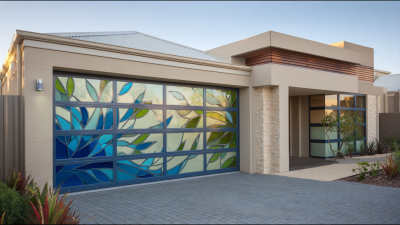
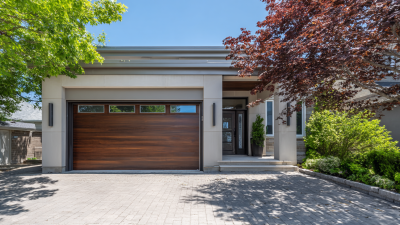
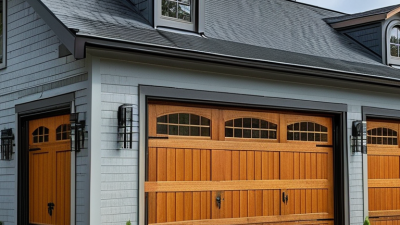
Match the panel design to your home’s style, roofline, and exterior materials. A garage door often covers a large portion of the front elevation. Its pattern can either support the architecture or compete with it. Traditional homes usually suit raised panels, window grids, and balanced horizontal lines. Craftsman houses often look better with simple recessed panels and warm wood tones. Modern homes need cleaner surfaces, narrow windows, and minimal decoration.
Farmhouse exteriors can handle vertical board patterns, sturdy hardware, and muted colors. Mediterranean or stucco homes may benefit from arched windows and darker wood-like finishes. Pay attention to proportion. Wide doors with many small rectangles may look busy, especially beside narrow windows. A professional installer can compare panel samples against your brick, siding, and roof color in natural daylight. Digital previews help, but they can distort color and scale.
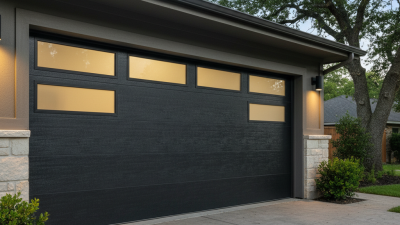
Material also affects the architectural impression. Steel panels create crisp, reliable lines, while composite or wood-look surfaces add texture. In my experience, homeowners often choose a color before checking the panel layout. That choice can disappoint later. I once saw a beautiful dark finish overwhelm a small façade because the windows and grooves were too prominent. Reconsidering the details is worthwhile. View the door from the street, not only from the driveway, and check how morning and evening shadows change its appearance.
Choosing a garage door panel starts with the opening, not the color. Measure width, height, headroom, side clearance, and backroom carefully. A low ceiling may require a different track arrangement. Insulation adds weight, so the opener and springs must match the panel system. Installation manuals often specify fastener types and framing strength. Ignoring these details can cause noise, uneven movement, or early wear. A qualified installer should inspect the structure before ordering materials, especially in older garages.
Maintenance affects the cost you actually pay. Wipe dirt from panel joints and inspect seals after heavy rain. Listen for scraping, popping, or a door that feels unusually heavy. These signs deserve professional attention. Do not adjust torsion springs casually; stored tension can cause severe injury. Lubricate approved moving parts lightly, but avoid coating tracks with oil that attracts grit. My practical lesson is simple: a clean inspection twice yearly can reveal small problems before they damage several components. Still, schedules are not perfect. Coastal air, road salt, and frequent daily cycles demand closer checks.
Compare total cost rather than the purchase price. Include delivery, removal of the old door, installation, reinforcement, insulation, hardware, maintenance, and possible repairs. A cheaper panel may cost more if it dents easily or fits poorly. Ask for a written scope and warranty terms. Confirm who handles adjustments after installation. Energy savings can matter in an attached garage, but estimates depend on climate and usage. Strong panels, correct fitting, and accessible replacement parts usually provide better long-term value than attractive features alone.